









Three-way (diverter) valve
In an air-to-water system the three-way valve directs water heated by the heat pump either to the heating circuit or to the hot water cylinder.
A three-way valve is a motorised valve with one inlet and two outlets. In a heat pump system it usually acts as a diverter: when domestic hot water needs heating, the controller sends the flow to the cylinder coil, and once the water is hot it switches back to space heating.
Why it matters:
- Domestic hot water needs a higher temperature than underfloor heating, so the system runs the modes in turn rather than simultaneously.
- A poorly selected or slow valve can let hot water into the underfloor circuit or slow down cylinder reheating.
- The valve size must suit the heat pump flow rate to avoid excessive pressure drop.
A three-way mixing valve is a different device: it blends flows to lower the temperature, e.g. for an underfloor heating circuit.
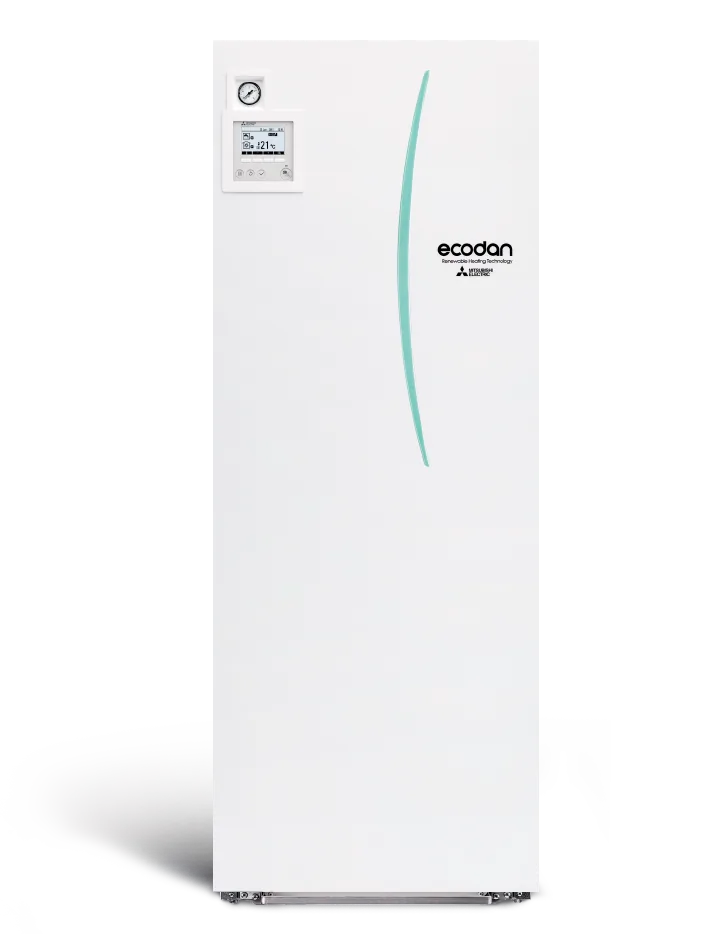
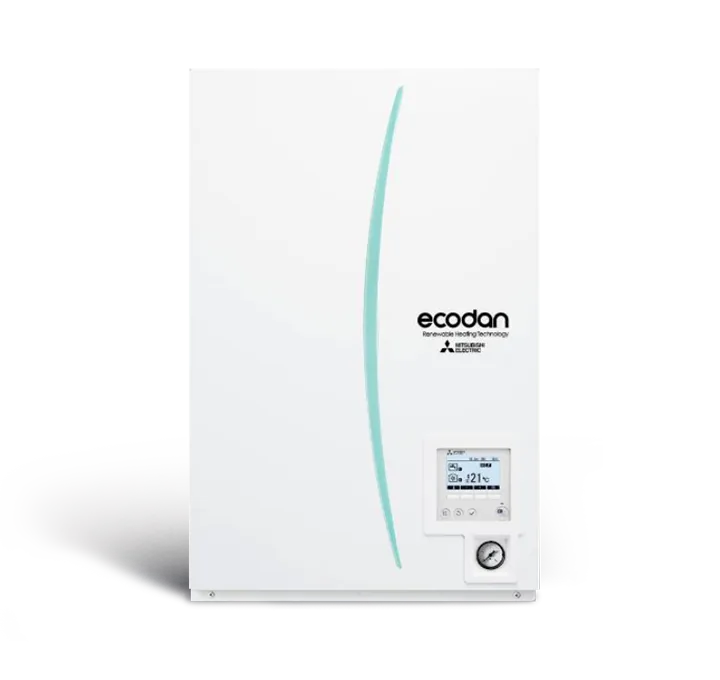
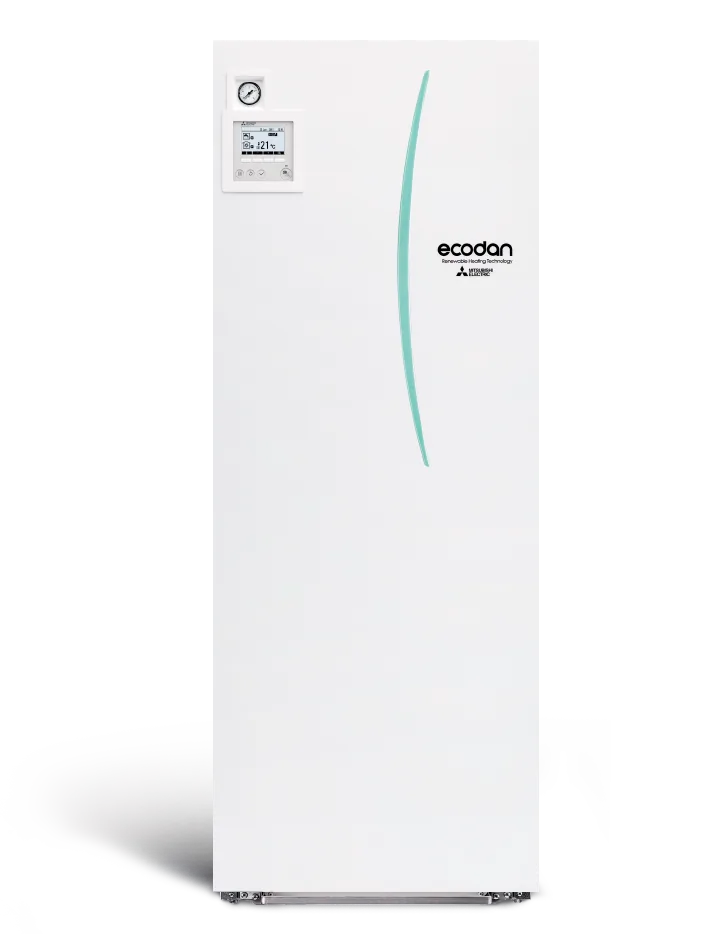
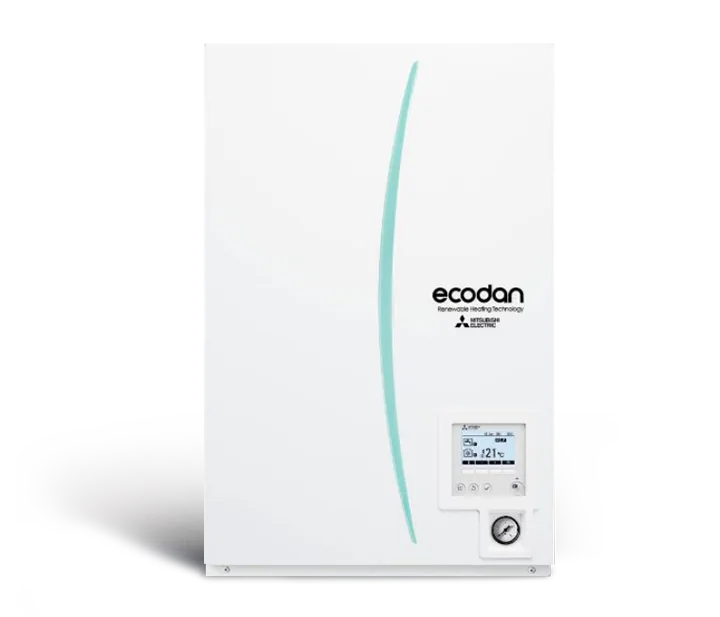
In many Mitsubishi Electric all-in-one modules the diverter valve is already integrated. When installing a Hydrobox with a separate cylinder, we select and fit the right valve and set it up with the controller.