









HVAC glossary
Heating, cooling and ventilation terms in plain words: SCOP, SEER, inverter, refrigerant, Lossnay, VRF and more.
Air duct
An air duct is a pipe or channel that carries supply and extract air in a ventilation or air conditioning system.
Air filter classes (ISO 16890)
Air filter classes under ISO 16890 show what share of particles of a given size a filter captures.
Air-to-air heat pump
An air-to-air heat pump extracts heat from outdoor air and heats or cools the room air directly through an indoor unit.
Air-to-water heat pump
An air-to-water heat pump extracts heat from outdoor air and transfers it to a water-based heating system and domestic hot water.
Airflow m³/h
Airflow in m³/h shows how many cubic metres of air per hour a fan or ventilation system supplies or extracts.
Backup electric heater
A backup electric heater is a heat pump system component that helps during the hardest frosts, during defrost or in an emergency.
Bivalent point
The bivalent point is the outdoor temperature below which the heat pump’s capacity is no longer sufficient and an additional heat source starts.
Buffer tank
A buffer tank is a water vessel in the heating system that increases system volume and hydraulically separates the heat pump from the heating circuits.
COP
COP is the coefficient of performance at specific test conditions: the ratio of heat output to electrical power input.
CO₂ concentration (indoor air quality)
CO₂ concentration, measured in ppm, is a simple and reliable indicator of whether a room is adequately ventilated.
Cassette air conditioner
A cassette air conditioner is an indoor unit built into a suspended ceiling that distributes air in several directions through a decorative panel.
Condensate drain
A condensate drain is the way of removing water that forms in the indoor unit during cooling and in the outdoor unit during heating.
Defrost
Defrost is the automatic mode in which a heat pump briefly removes frost from the outdoor unit’s heat exchanger.
Design outdoor temperature
The design outdoor temperature is the low outdoor temperature set for a location, at which building heat loss is calculated and heating capacity is checked.
Diffuser / air terminal
A diffuser is an air terminal at the end of a duct through which air is supplied to or extracted from a room.
Ducted air conditioner
A ducted air conditioner is an air-to-air indoor unit hidden above a suspended ceiling that delivers air to rooms through ducts and diffusers.
EER
EER is the energy efficiency ratio in cooling at rated conditions: cooling capacity divided by electrical power input.
Energy efficiency class (appliance and building)
An energy class is a letter rating of efficiency used both for appliances (EU label) and for buildings (energy performance certificate).
Enthalpy heat exchanger
An enthalpy heat exchanger is a ventilation heat exchanger that transfers not only heat but also part of the moisture from extract to supply air.
ErP directive (ecodesign)
ErP refers to the EU ecodesign requirements that set minimum efficiency for energy-related products and their energy labelling.
F-gas certificate
An F-gas certificate is the qualification document that EU law requires from people working on refrigerant circuits containing fluorinated greenhouse gases.
Floor-standing indoor unit
A floor-standing indoor unit is an air-to-air heat pump or air conditioner unit mounted low on the wall, much like a radiator.
Flow temperature
Flow temperature is the temperature of the water the heat source sends to the underfloor heating or radiators.
GWP (global warming potential)
GWP shows how many times more a refrigerant contributes to the greenhouse effect than the same mass of CO₂ over 100 years.
Ground-source heat pump
A ground-source heat pump draws heat from the ground through a horizontal collector or boreholes and transfers it to a water heating system.
HVAC (heating, ventilation, air conditioning)
HVAC is the collective term for heating, ventilation and air-conditioning systems and the corresponding part of a building design.
Heat loss
Heat loss is the amount of heat a building loses through its envelope and ventilation; heating capacity is sized to it at the design outdoor temperature.
Heat recovery efficiency
Heat recovery efficiency shows what share of the extract air’s heat a ventilation unit transfers to the supply air under specific test conditions.
Heat recovery ventilator
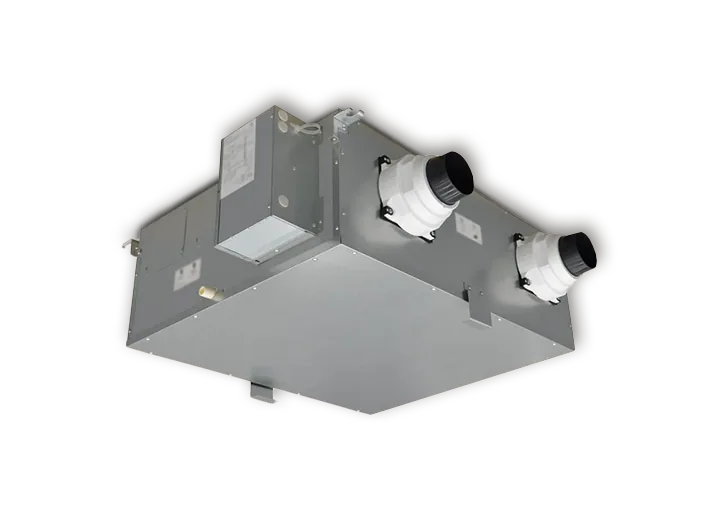
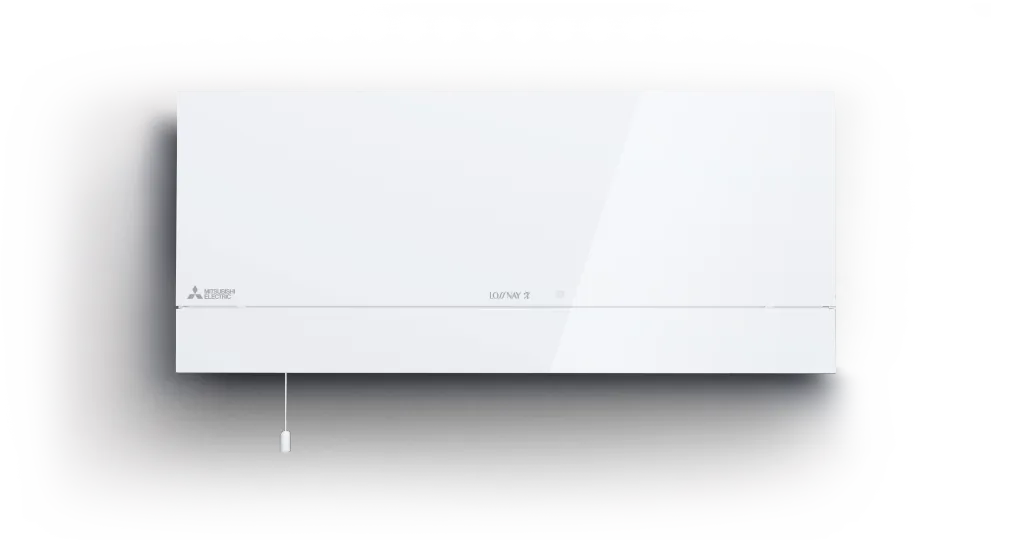
A heat recovery ventilator supplies fresh air and extracts stale air while transferring part of the heat from the outgoing air to the incoming air.
Heating curve (weather compensation)
A heating curve is a controller setting that automatically adjusts the flow temperature according to the outdoor temperature.
Heating degree days
Heating degree days are an indicator summarising how far and for how long the outdoor temperature stayed below a set base temperature during the heating season.
Hot water cylinder
A hot water cylinder is a tank in which the heat pump heats and stores domestic hot water.
Hydraulic separator
Hydraulic separation decouples the heat pump circuit from the heating system circuits so that their circulation pumps do not interfere with each other.
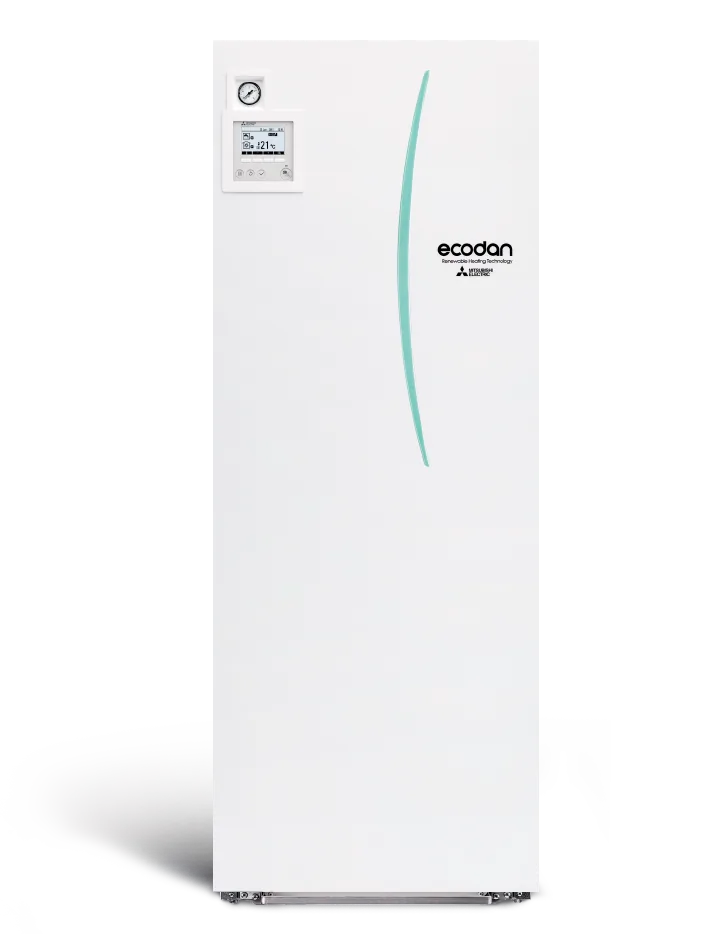
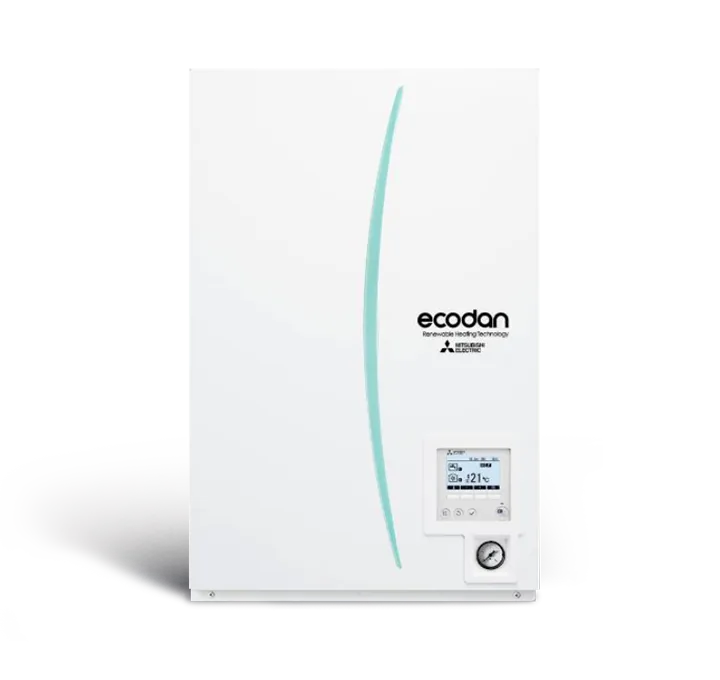
Hydrobox (hydraulic module)
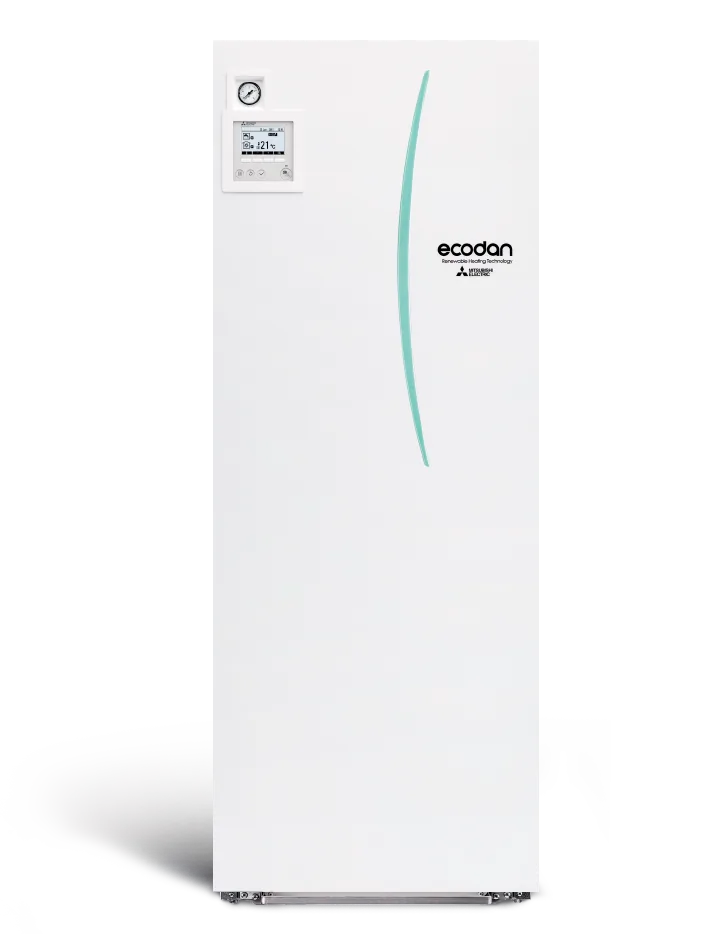
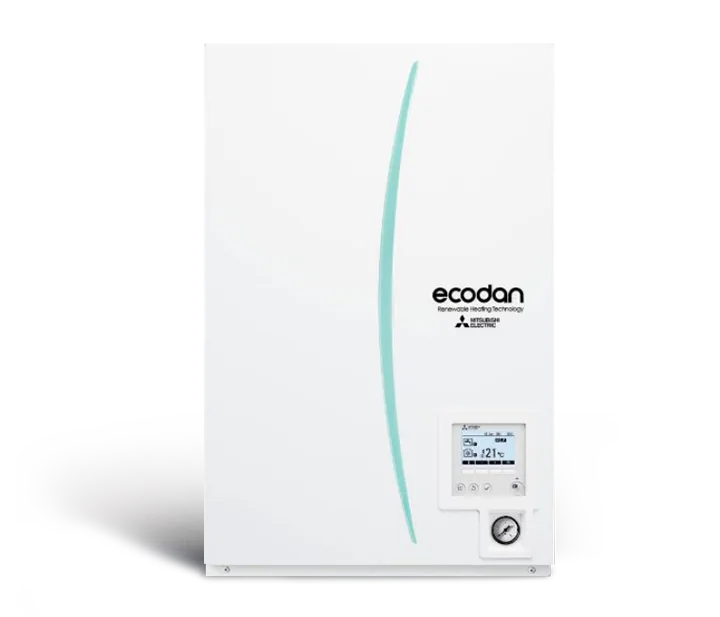
A hydrobox is the indoor unit of an air-to-water heat pump where heat is transferred from the refrigerant to the heating water, housing the controller, pump and safety components.
Hyper Heating
Hyper Heating is a Mitsubishi Electric air-to-air heat pump technology designed to maintain higher heating output and stable operation at low outdoor temperatures.
Inverter
An inverter is electronic compressor control that varies the compressor speed smoothly so the output matches the actual demand.
Leak check
A leak check is an inspection of the refrigerant circuit by a specialist to confirm that the system is not leaking.
Legionella (disinfection) cycle
A legionella cycle periodically heats the cylinder water to a higher temperature to reduce the risk of bacteria.
Lossnay
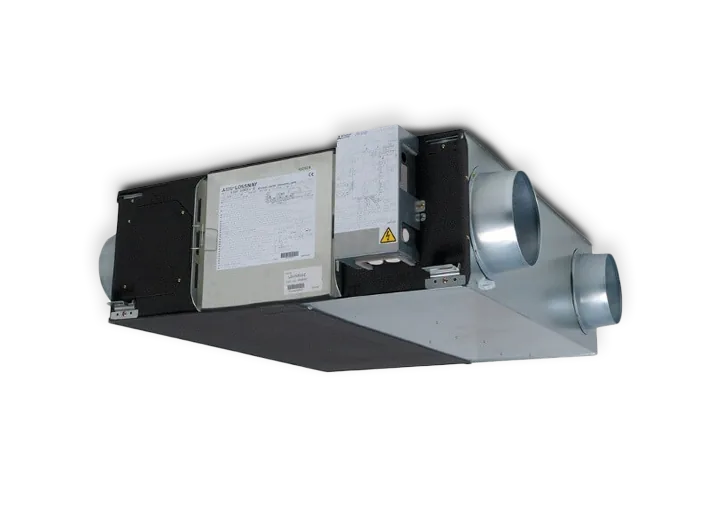
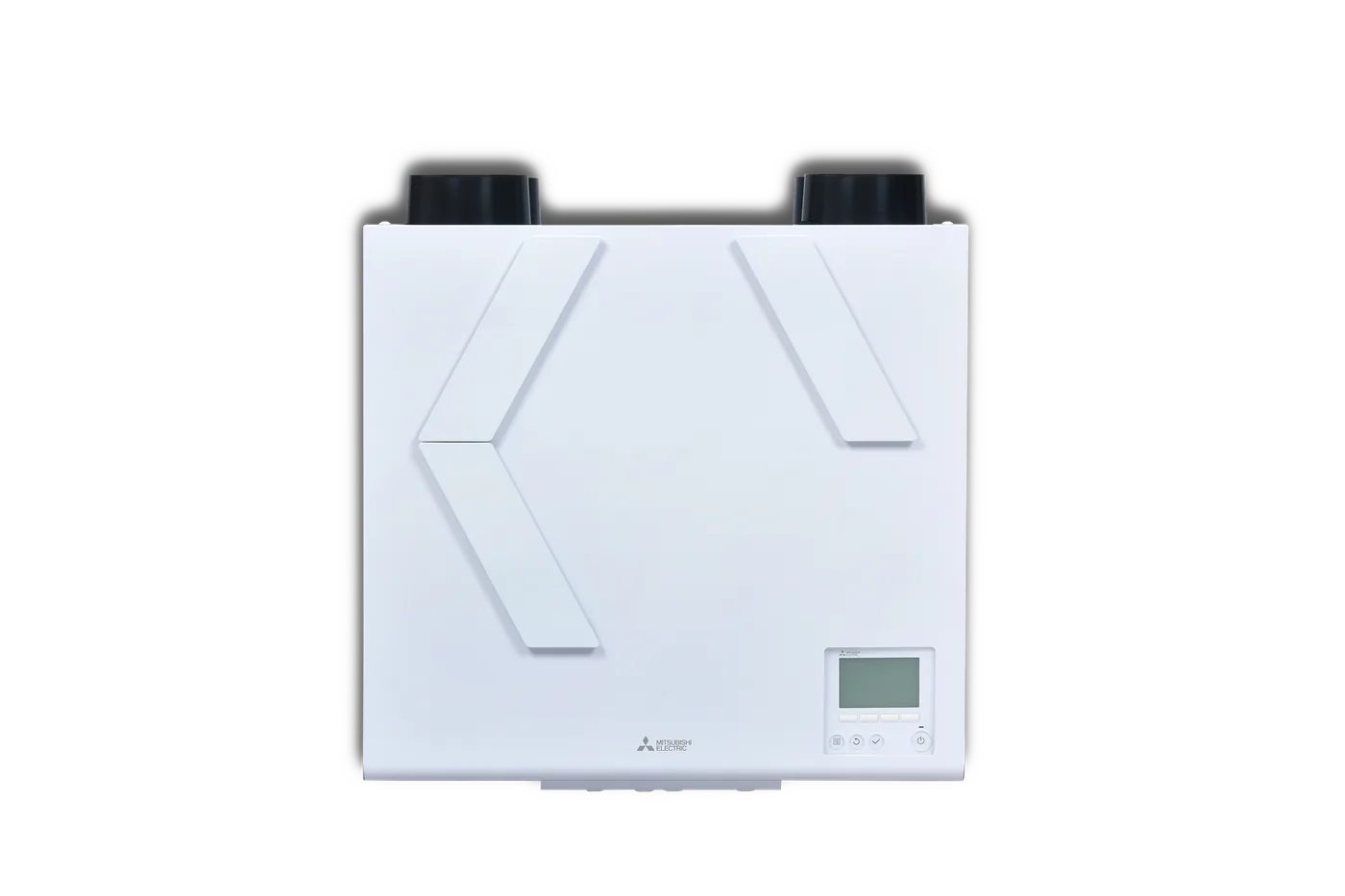
Lossnay is the Mitsubishi Electric range of heat recovery ventilation units with an enthalpy exchanger that recovers both heat and part of the moisture.
Multi Split
Multi Split is a system in which several indoor units in different rooms are connected to one outdoor unit.
Outdoor unit
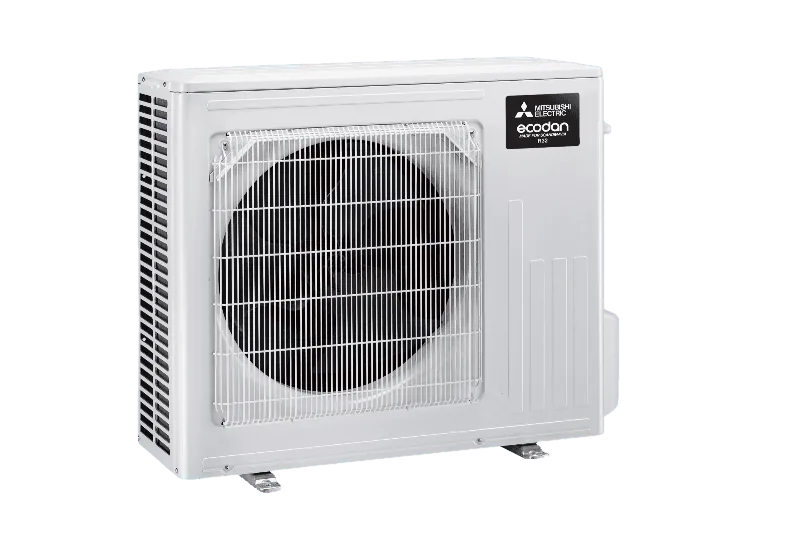
The outdoor unit is the part of a heat pump or air conditioner installed outside, housing the compressor, fan and heat exchanger.
Part-load operation
Part-load operation is when a heat pump or air conditioner runs below its maximum output, which is how it works for most of the season.
Pdesign (design load on the EU label)
Pdesign is the design heating or cooling load stated on the EU energy label, for which the manufacturer calculates seasonal efficiency.
R290 refrigerant (propane)
R290 is propane used as a natural refrigerant, with a very low global warming potential and good properties for heating.
R32 refrigerant
R32 (difluoromethane) is a modern refrigerant used in most new air conditioners and heat pumps, with a GWP of 675.
Refrigerant piping
Refrigerant piping is the pair of copper pipes connecting the outdoor and indoor units, through which the refrigerant circulates.
Relative humidity
Relative humidity is the percentage ratio between the amount of water vapour in the air and the maximum the air can hold at the same temperature.
SCOP
SCOP is the seasonal coefficient of performance: how much heat a heat pump delivers on average per kWh of electricity over a whole heating season.
SEER
SEER is the seasonal energy efficiency ratio: how much cooling an air conditioner delivers on average per kWh of electricity over the cooling season.
Sound level dB(A)
dB(A) is the unit of sound level weighted to how the human ear perceives sound.
Split system
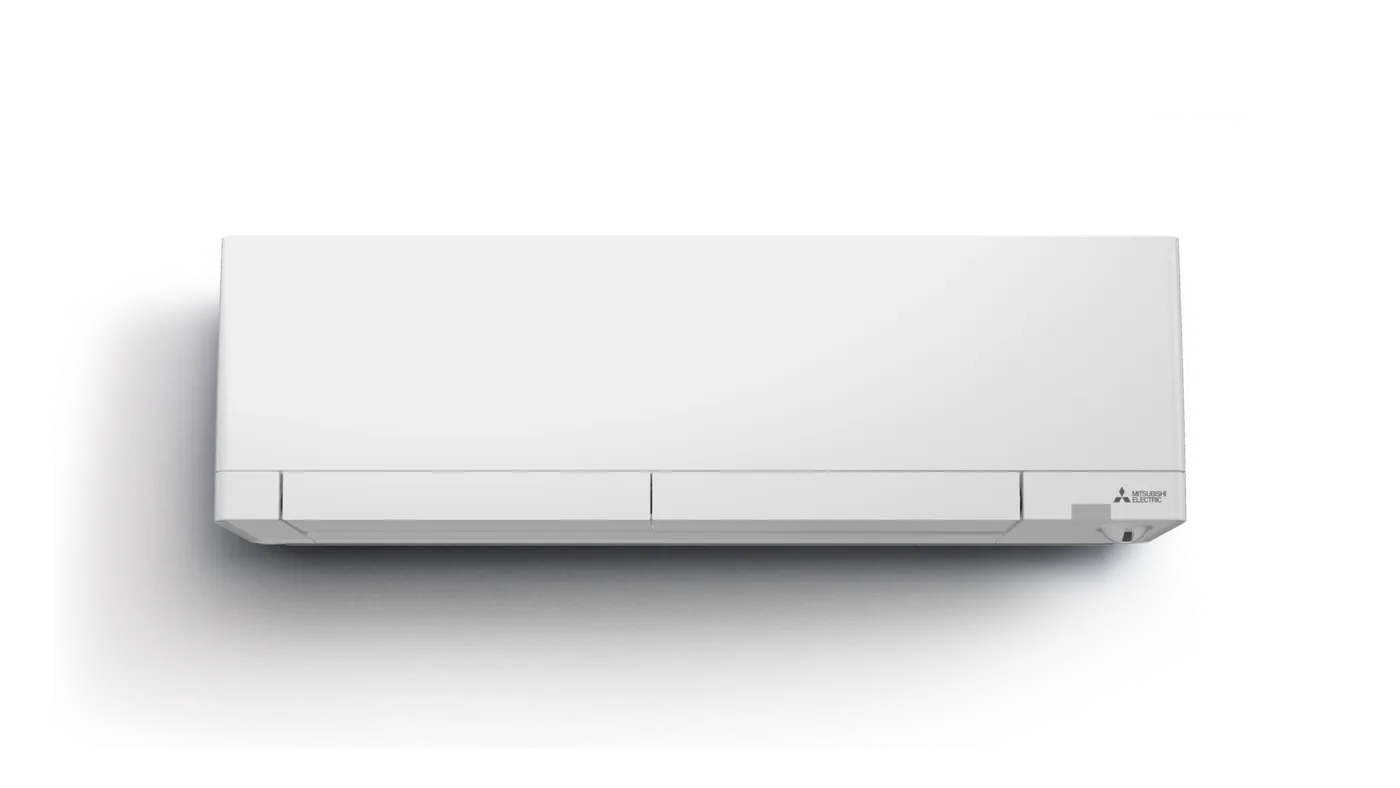
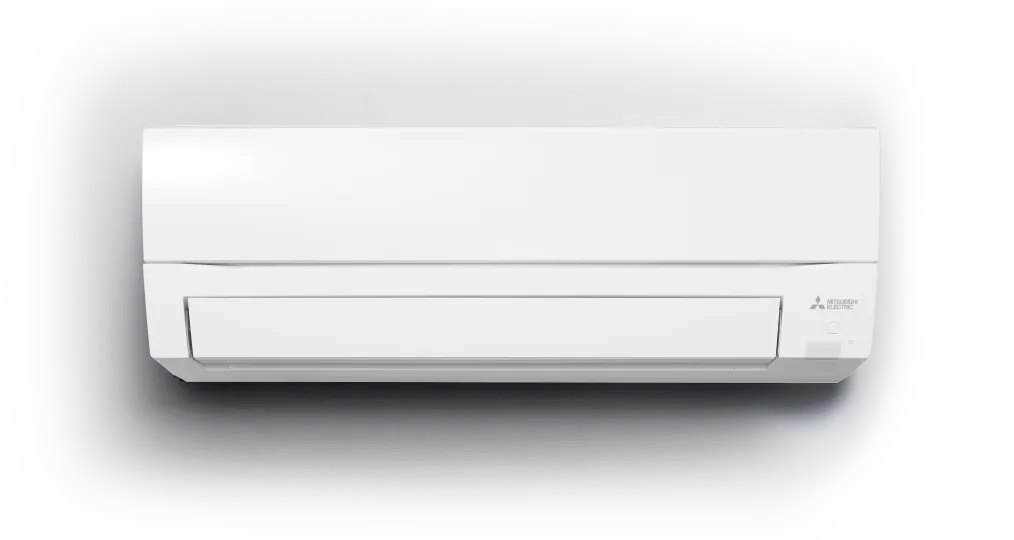
A split system is an air conditioner or heat pump made up of one outdoor and one indoor unit connected by refrigerant piping.
Three-way (diverter) valve
In an air-to-water system the three-way valve directs water heated by the heat pump either to the heating circuit or to the hot water cylinder.
U-value (thermal transmittance)
The U-value shows how many watts of heat pass through one square metre of a building element when the temperature difference across it is one degree.
Underfloor heating manifold
An underfloor heating manifold distributes heating water to individual floor loops and allows the flow of each loop to be balanced.
VRF (City Multi)
VRF is a variable refrigerant flow system in which one or more outdoor units serve many indoor units in a larger building.
Ventilation balancing
Ventilation balancing is adjusting the airflow at each diffuser so that every room receives and exhausts the designed amount of air.
Wi-Fi remote control
Wi-Fi remote control lets you operate and monitor a heat pump, air conditioner or ventilation unit from anywhere using a smartphone.
ZUBADAN
ZUBADAN is a Mitsubishi Electric air-to-water heat pump technology with additional refrigerant injection, designed to maintain heating capacity in cold weather.
Zoning
Zoning divides a home or building into separately controlled zones where different temperatures or ventilation rates can be maintained.
„I-see“ sensor
„I-see“ is an infrared sensor in Mitsubishi Electric indoor units that scans room surface temperatures and controls the airflow accordingly.