

























Ground-source heat pump
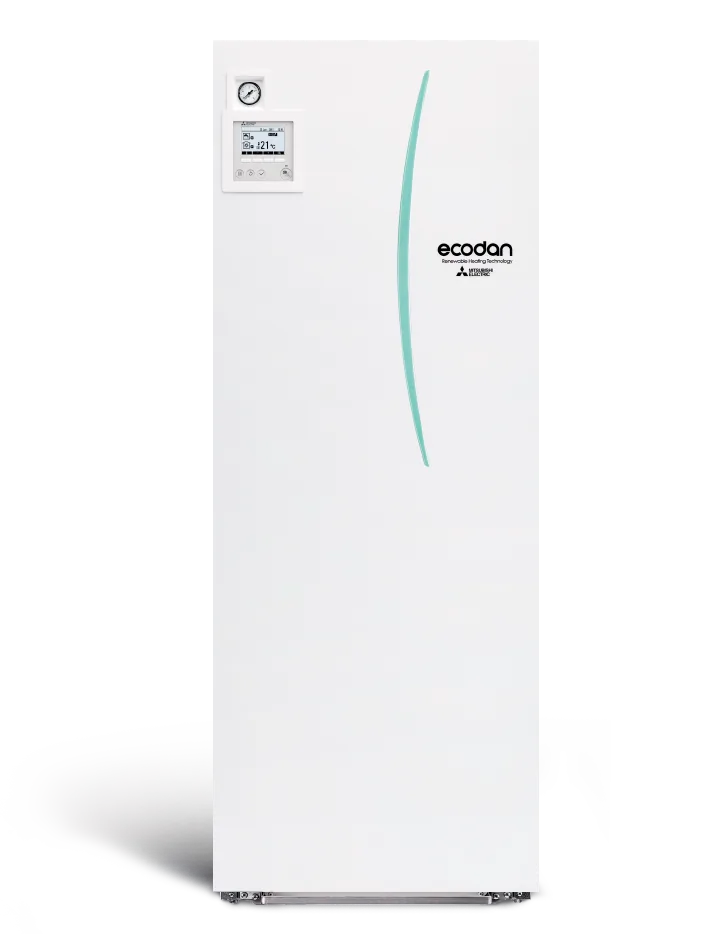
A ground-source heat pump draws heat from the ground through a horizontal collector or boreholes and transfers it to a water heating system.
A ground-source (brine-to-water) heat pump uses heat stored in the ground. In winter the ground is warmer and more stable in temperature than outdoor air, so the heat source depends less on frosts.
- A horizontal collector is laid underground on the plot – sufficient free area is required.
- Vertical boreholes suit smaller plots, but drilling requires the appropriate permits and specialised contractors.
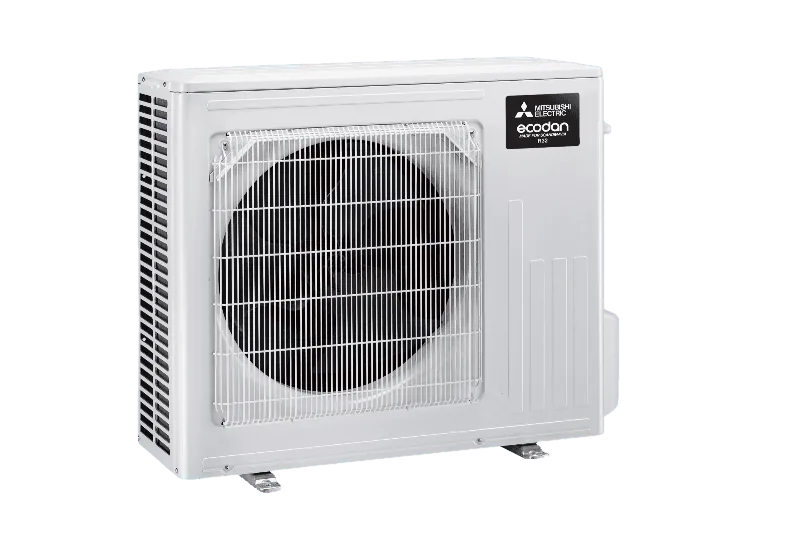
- There is no outdoor unit with a fan, so there is no outdoor fan noise and no defrost cycles.
- Installation is more complex and takes longer than an air-to-water system.
The key is to size the ground loop correctly: an undersized collector cools the ground over the season and lowers efficiency. That is why a ground-source system is always selected according to heat loss, ground conditions and the plot’s possibilities. Our specialists will help you compare ground-source and air-to-water solutions for your particular home and propose suitable Mitsubishi Electric equipment.
It is worth deciding while planning the site works, before laying the collector means additional earthworks.