









Frequently asked questions
Answers about heat pumps, air conditioners, heat recovery ventilation, installation, warranty and maintenance.
Sildymas
Why choose an air-to-air heat pump?
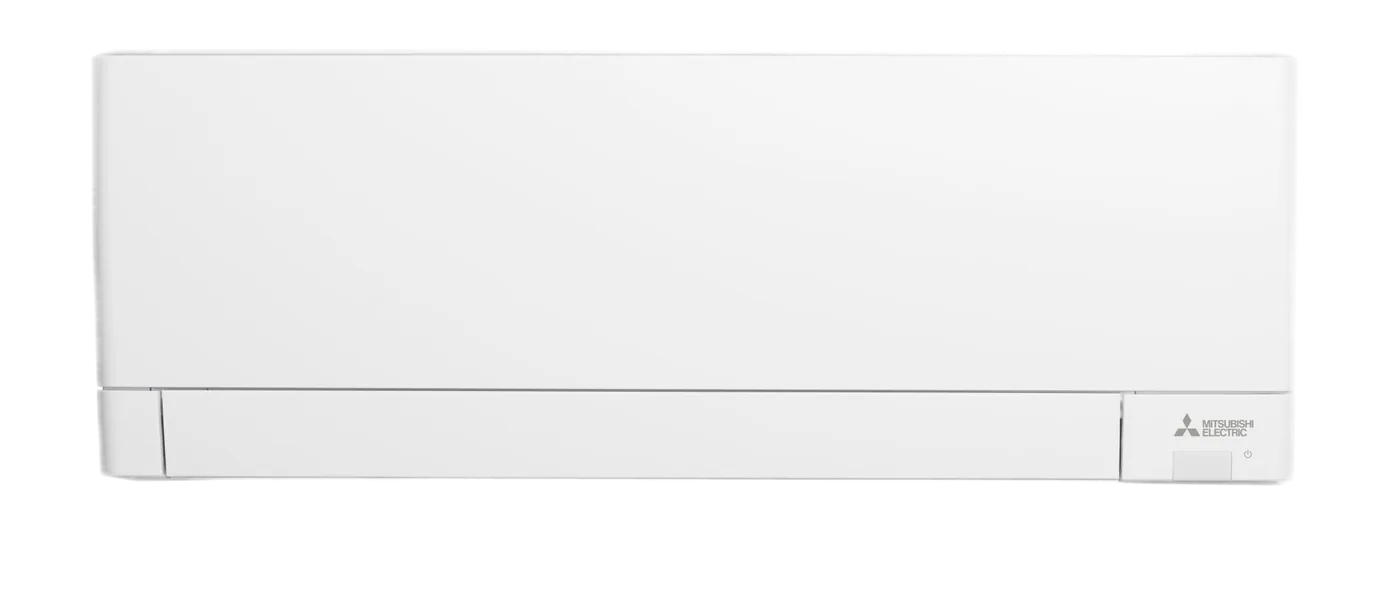
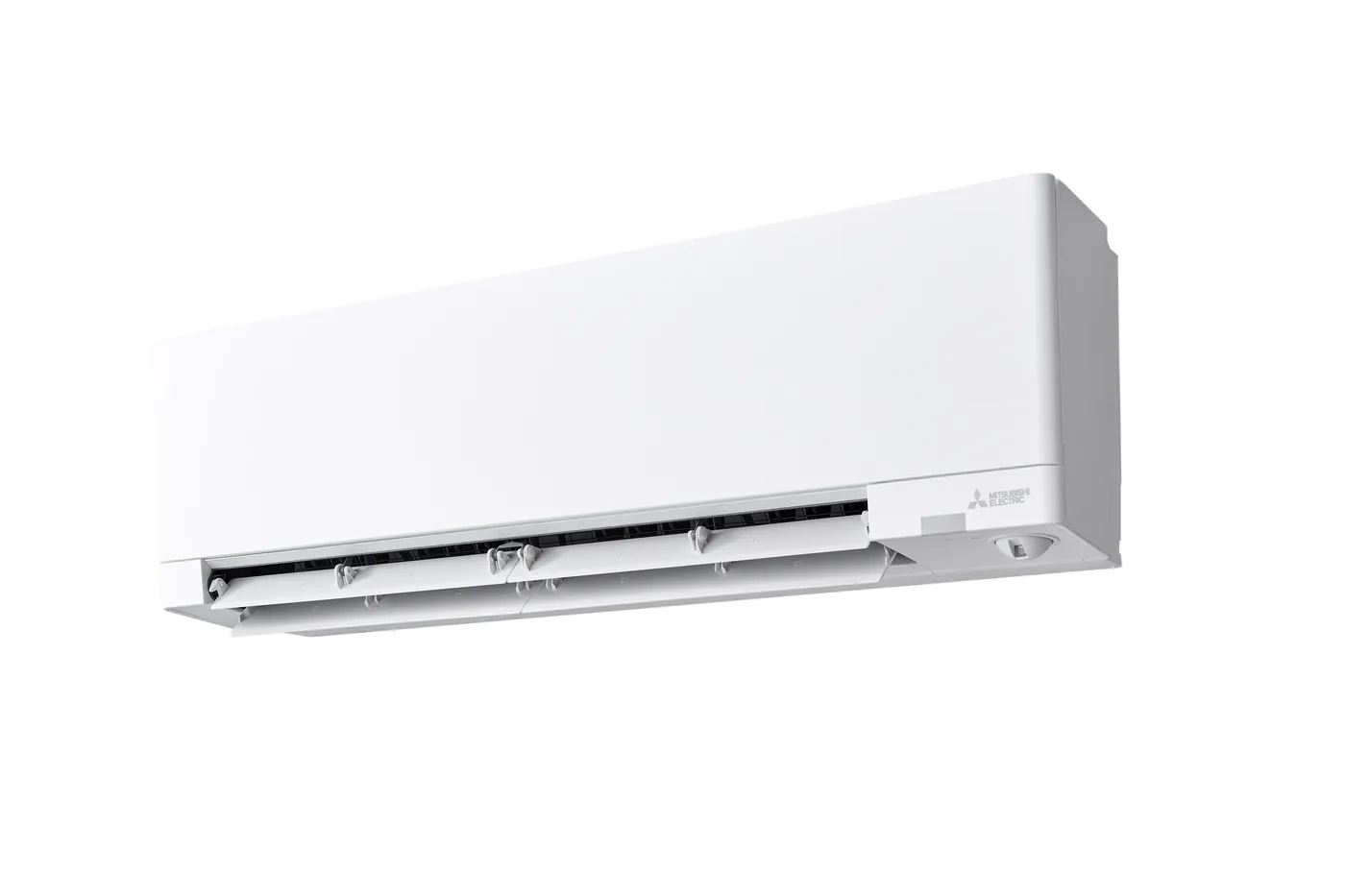
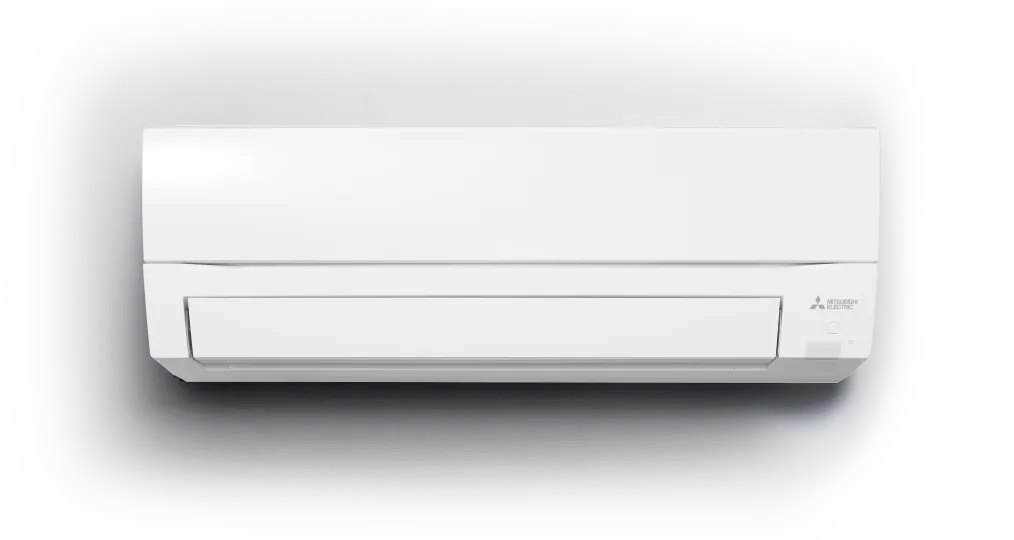
An air-to-air heat pump combines three functions in one system: heating in winter, cooling in summer and air filtration. It can be fitted in an occupied home or a new build, and both the outdoor and indoor units take up little space.
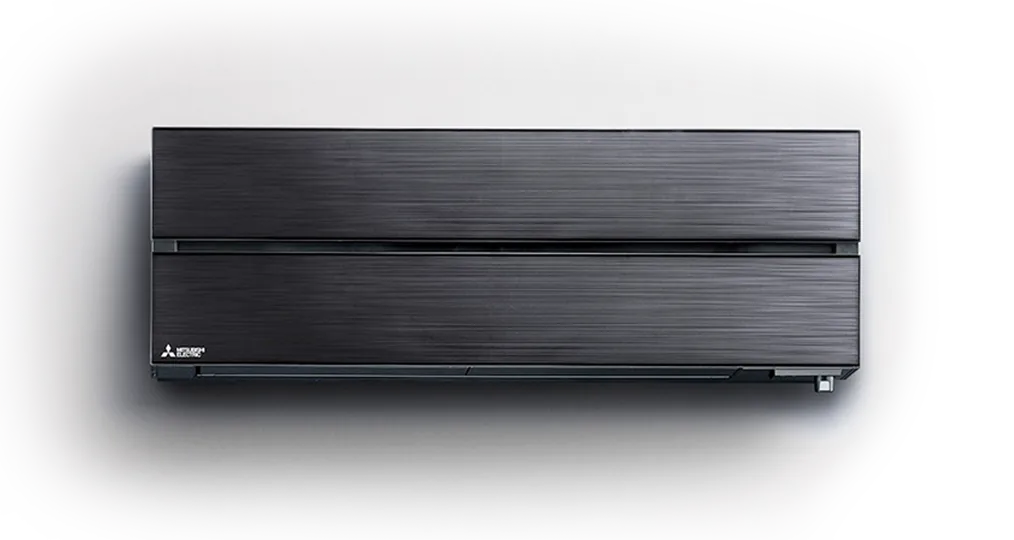
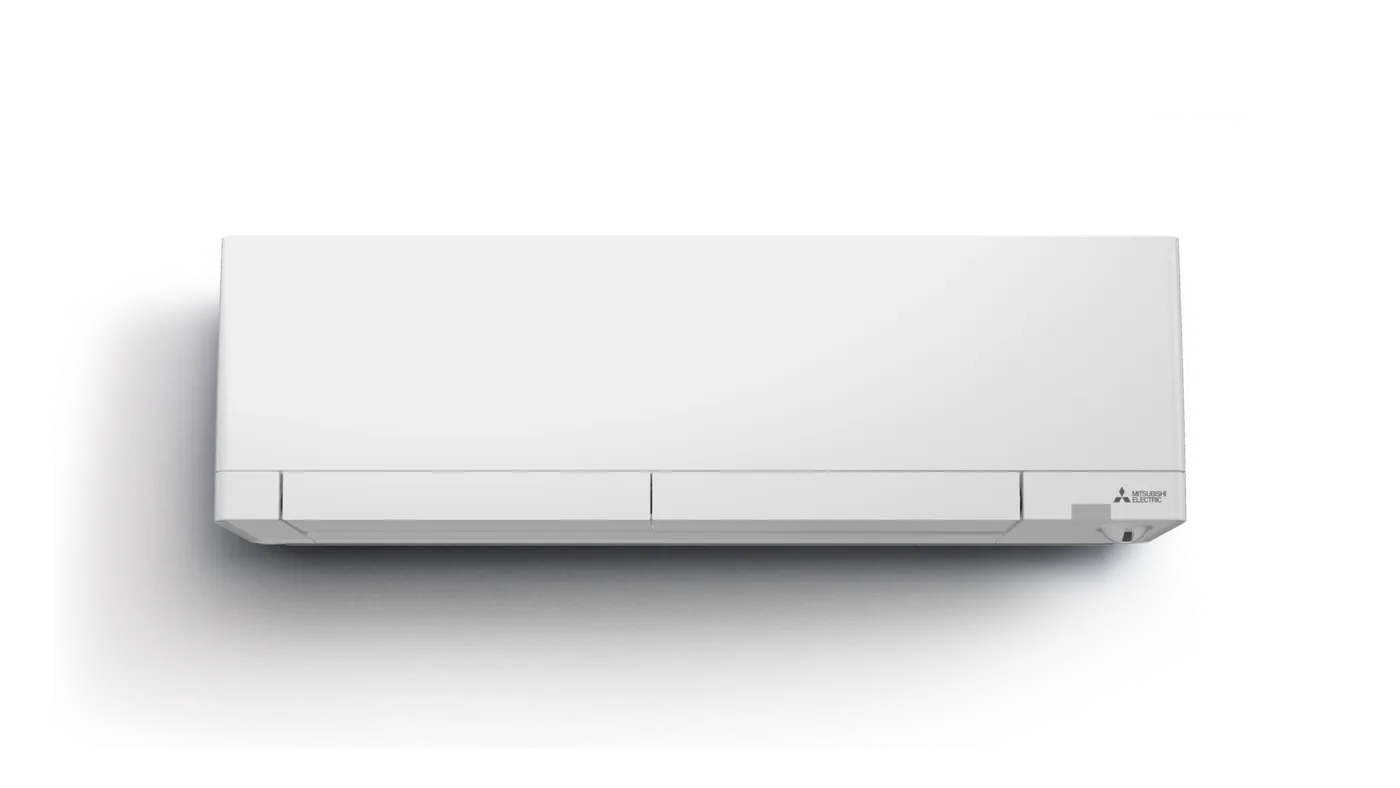
It works well alongside existing heating – electric heaters, a fireplace, a stove or a gas boiler – and takes over much of the heating load in spring and autumn. Some series, such as MSZ-LN, have a more advanced filter system; see the product page for the exact features. We will match the right model to your rooms through the system finder.
Why choose an air-to-water heat pump?
If you own or are building a house with a wet heating system (underfloor heating, radiators) and need domestic hot water, an air-to-water heat pump can be a complete, year-round heat source. No fuel storage, chimney or boiler-room upkeep – you control the temperature from a controller or an app.
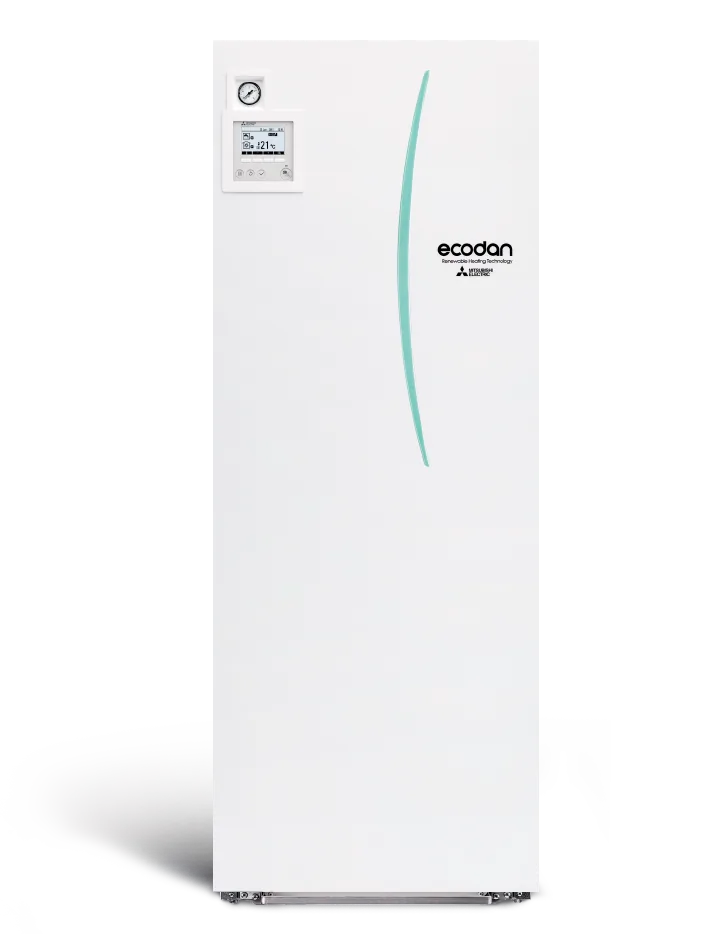
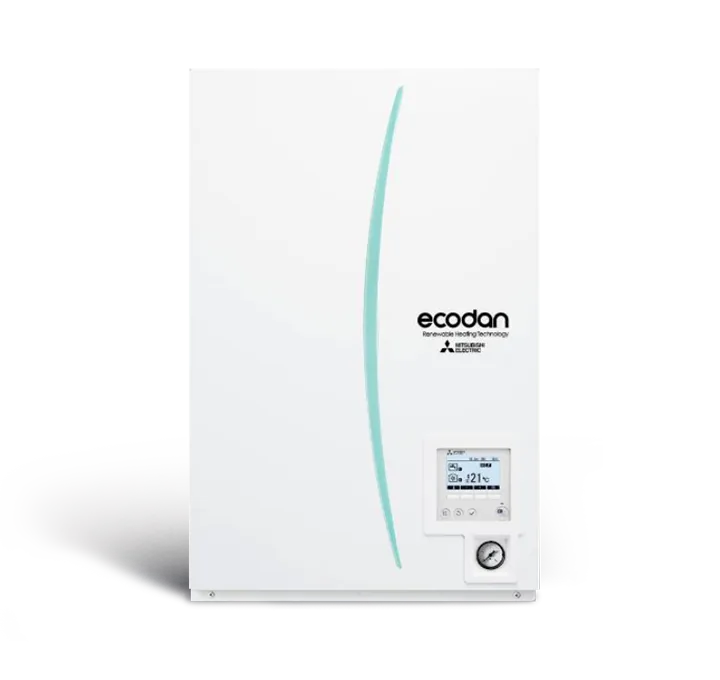
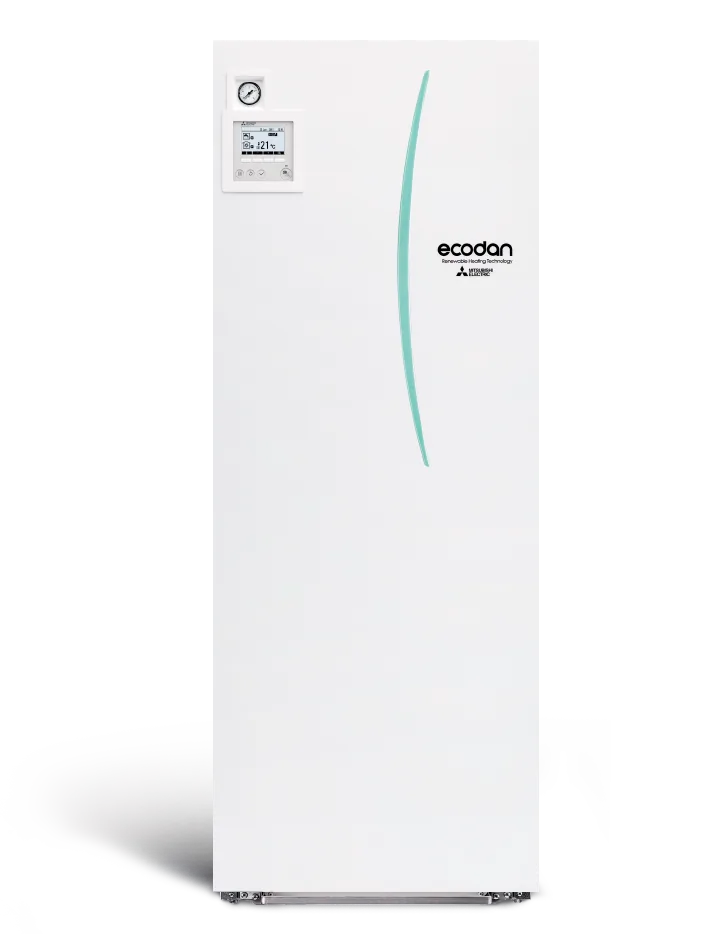
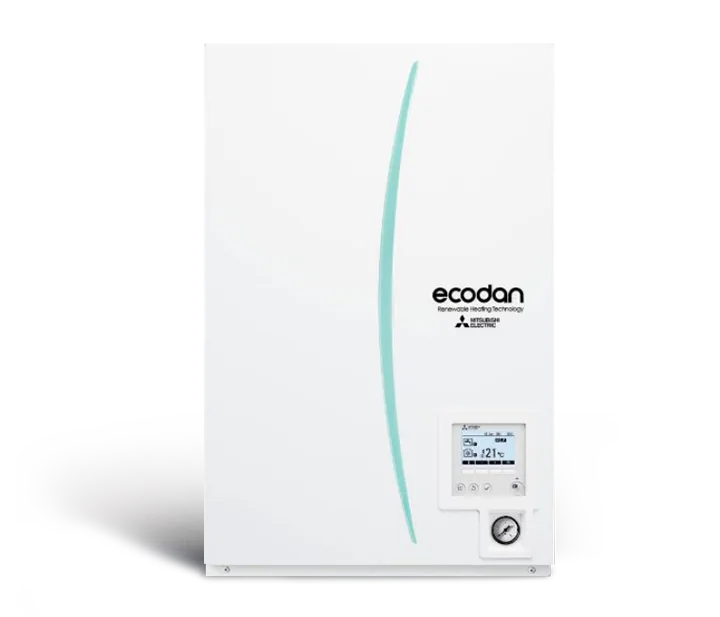
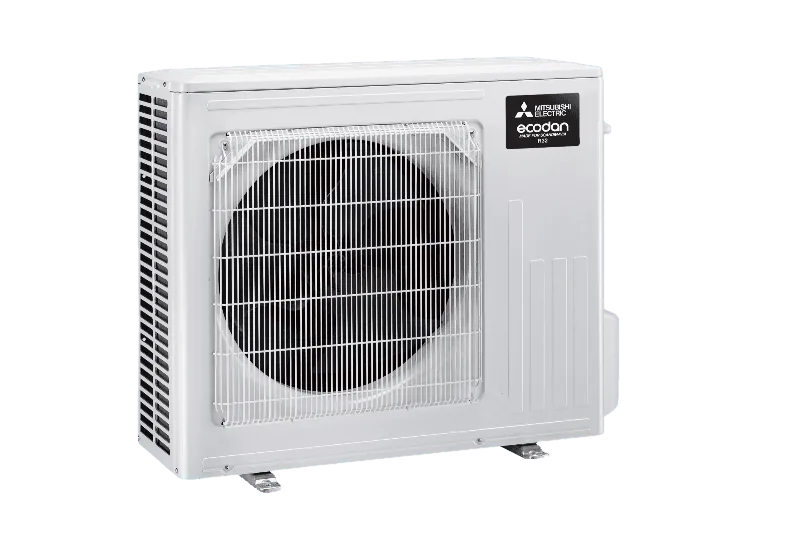
MITSUBISHI ELECTRIC ECODAN all-in-one units have an integrated cylinder, while Hydro-box versions connect to a separate cylinder designed for heat pumps. In summer the system prepares hot water. Which configuration suits you is explained in our guide Air-to-air or air-to-water.
Does a heat pump work below −25 °C, and does it harm the unit?
A heat pump keeps working at very low temperatures, but its heat output and efficiency fall. The exact operating limits of each model, per manufacturer data, are on the product page – e.g. MSZ-LN-VGHZ with Hyper Heating or the ZUBADAN PUHZ-SHW series. Operating limit and guaranteed capacity are not the same thing – we explain this in Heat pumps for the Lithuanian climate.
Do not switch the heat pump off during hard frosts: starting a cold system at −25 °C or below is not ideal, while continuous operation is easier on the compressor.
Can a heat pump be combined with my existing heating?
Yes. An air-to-air heat pump is often installed as an additional heat source alongside electric heating, a fireplace or a gas boiler. An air-to-water system can be integrated into an existing wet heating system; we then assess the radiator or underfloor flow temperature, hydraulics and controls. For efficient operation, the existing system must be in good order and temperature sensors must work correctly. Start with the system finder.
Selection
How do I know what type and size of heat pump I need?
You can get a preliminary estimate in our heat pump sizing tool – it shows a range and all assumptions. The final choice depends on the building's heat loss, insulation, windows, ceiling height, heating system and hot-water demand, so the model is confirmed by our specialist. More in the guide Heat pump sizing.
How loud are MITSUBISHI ELECTRIC heat pumps?
Sound levels depend on the model and operating mode. The manufacturer's noise data for every indoor and outdoor unit is listed in the product specification, and you can put models side by side in the comparison tool. When installing, we choose the outdoor unit position so that sound does not disturb you or your neighbours, and we use anti-vibration mounts.
Is it worth choosing a bigger heat pump "just in case"?
Usually not. A common mistake is an oversized heat pump: it costs more and uses its full capacity only during a few of the coldest weeks a year. The rest of the time it cycles on and off more often, which is bad for both efficiency and the compressor. A correctly sized heat pump runs long and steadily. We size by heat loss, not by guesswork.
Price
How much does a heat pump cost?
The price depends on the unit type and capacity, installation location, distance between indoor and outdoor units, the condition of the heating system, electrical work and accessories. You can build an indicative budget in the price planner or request an offer by phone or e-mail. We give the exact price after assessing the site. We install with quality materials – copper pipework, trunking, anti-vibration mounts and brackets. More: what makes up the cost of a heat pump.
Can I get state support for a heat pump?
Lithuania periodically opens support calls for renewable heating equipment; the conditions and deadlines are published by the institutions running the programmes. Check the current requirements before applying. We will prepare the quotation and equipment documents usually required – send a request and mention that you plan to apply for support.
Warranty
What warranty do you provide and who carries out maintenance?
We provide a warranty on the equipment and on the installation work we carry out; the exact period and terms are stated in the quotation and contract. Warranty and post-warranty service is carried out by our own specialists. Equipment data, documents and service history are kept in your MY EKO2 account, and you can report a fault via service.
Service
Why does my air-to-air heat pump give out less heat after a year?
The most common cause is dusty, clogged indoor-unit filters: they restrict airflow and noticeably reduce efficiency. You can clean the filters yourself, strictly following the user manual. If that does not help, the indoor heat exchanger, fan and outdoor unit should be checked by a specialist – submit a service request. More in our maintenance guide.
How often should ventilation filters be replaced and where can I order them?
The manufacturer recommends replacing filters roughly every six months, but it depends on the environment – near a busy road or a building site they clog faster. We stock standard filters, high-efficiency F7 filters and carbon filters. Registered customers can order filters in their MY EKO2 account. More in the filters and maintenance guide.
The unit shows an error code or does not work. What should I do?
Check that the power is on and the correct mode is selected, and note the error code shown on the controller. Do not open the unit casing or attempt electrical or refrigerant work yourself. Report the fault via service or in your MY EKO2 account – give the model and error code and add a photo; this helps the technician arrive prepared.
Installation
Can I install a heat pump myself?
We do not recommend it. Refrigerant work requires specific knowledge, tools and a valid refrigerant-system installer certificate, and electrical connections must be made by a qualified electrician. Poorly installed equipment may run inefficiently or fail, and neither MITSUBISHI ELECTRIC nor UAB EKO2ŠILUMA is responsible for the operation of equipment installed by unqualified persons. Leave the installation to our team – send a request.
What materials do you use for installation?
We use quality materials: insulated copper refrigerant pipework, trunking for pipe runs, anti-vibration mounts, sturdy brackets and condensate drainage parts. The outdoor unit can be fitted with protective grilles or a condensate collection box. The exact list of materials is shown in your quotation.
Vedinimas
What is heat recovery ventilation and does my home really need it?
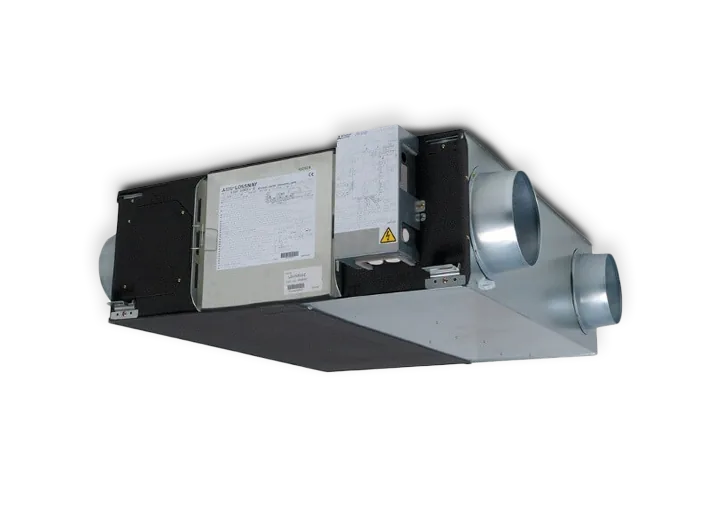
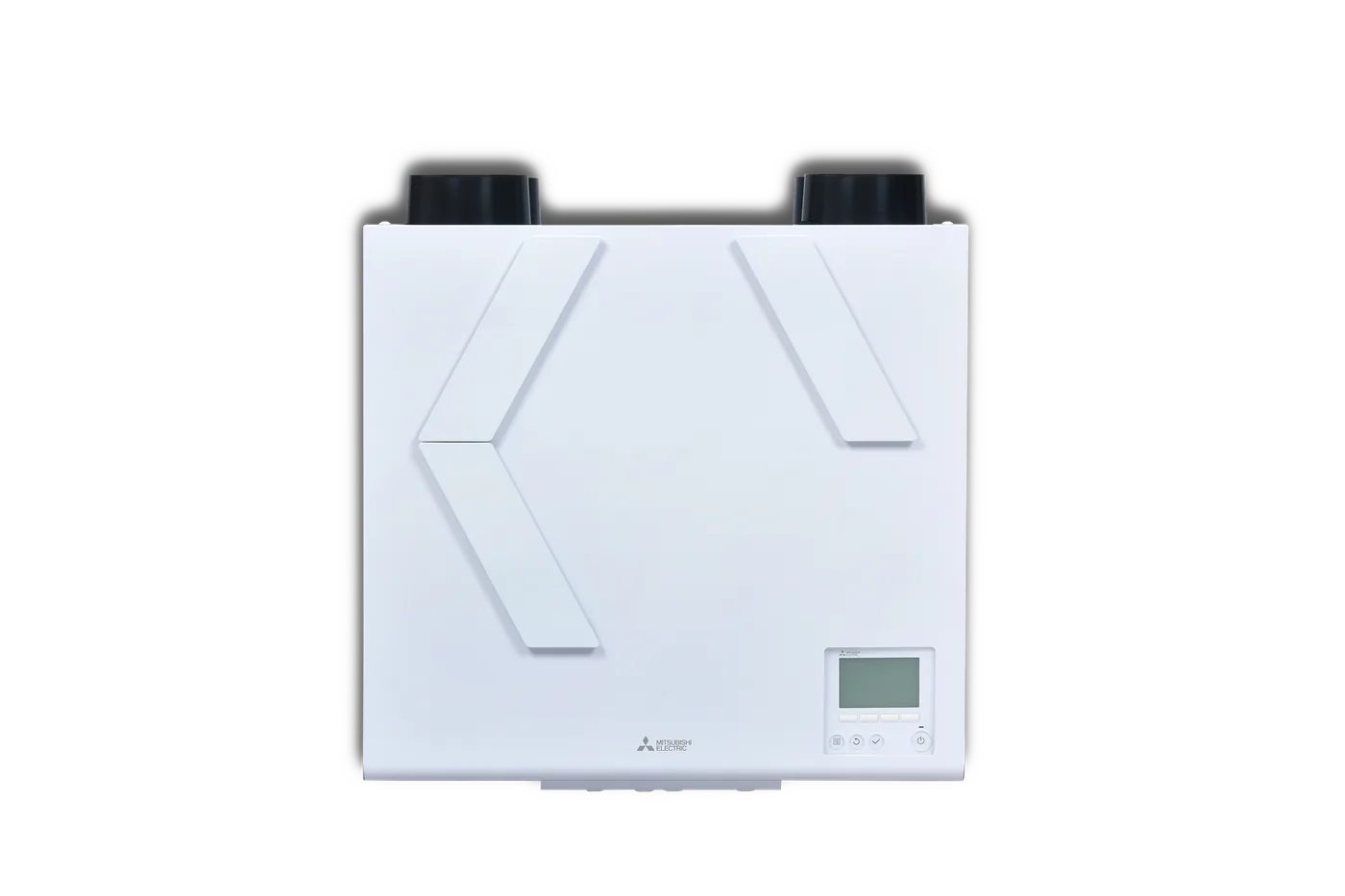
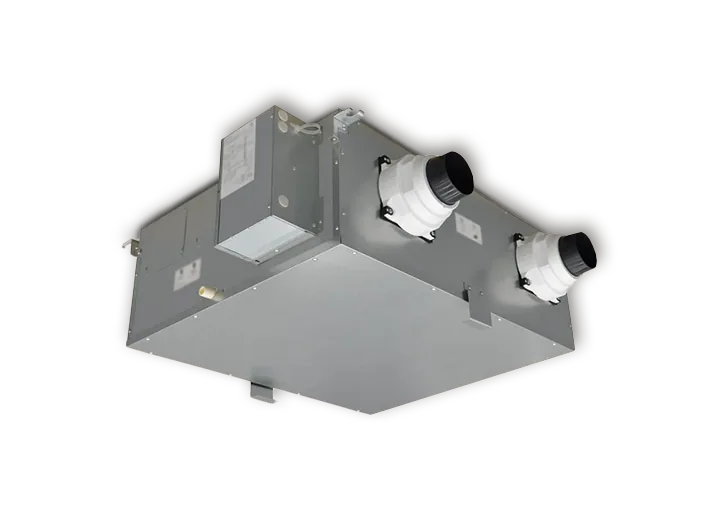
Heat recovery ventilation (MVHR) is mechanical ventilation in which fresh supply air is warmed (or cooled) using the energy of the extract air. The two airstreams do not mix – they are separated by the heat exchanger plates. The MITSUBISHI ELECTRIC Lossnay core is made of special paper, so it exchanges both heat and moisture.
A system usually consists of the ventilation unit, ductwork, dampers, diffusers and grilles, a controller and accessories (e.g. an electric pre-heater, CO2 sensor, silencers). In airtight new and renovated buildings without ventilation, CO2 and humidity build up, windows mist up and the risk of mould grows – this harms indoor air quality and the building itself. Our ventilation planner will help you decide what you need.
Why is heat recovery ventilation better than opening the windows?
Opening windows lets heat out in winter and heat in during summer, together with dust, noise and insects; a room is properly aired only with a cross-draught. A heat recovery system supplies fresh air continuously while returning most of the heat or coolth, so ventilation does not raise heating or cooling demand the way open windows do. The unit can be scheduled to your daily routine. The result: steady air exchange, fewer odours and less moisture, cleaner air.
My apartment lacks ventilation but ducts cannot be installed. Which unit should I choose?
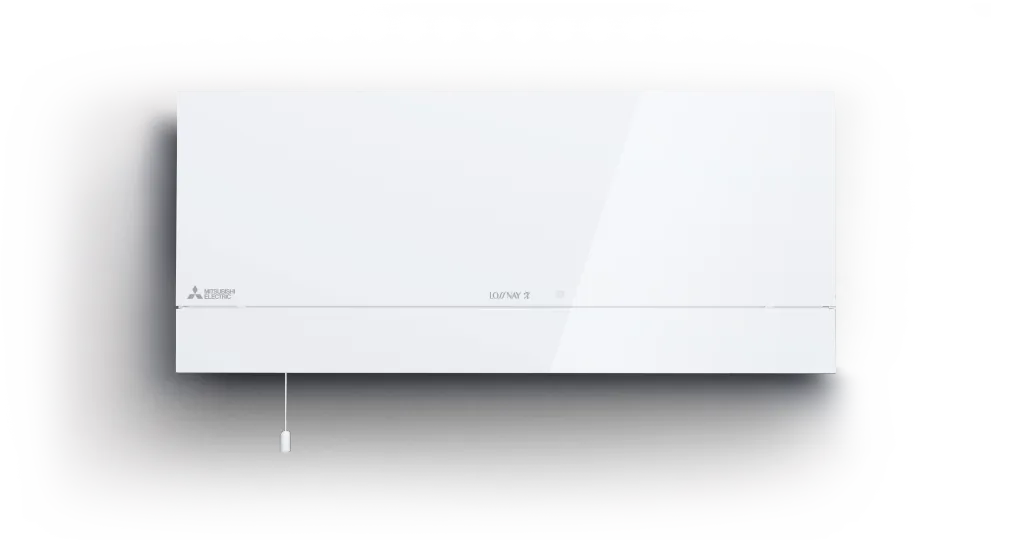
In that case the best option is a wall-mounted decentralised unit that needs no ductwork. It is installed through a wall opening and does the same job as a ducted system: supplies fresh air, extracts humid air and recovers part of the heat. The Lossnay plate core also exchanges moisture, reducing window condensation and mould risk. Choose from VL-50S2-E, VL-50SR2-E or VL-80U5-E – the floor area and airflow for each are on the product page. See the comparison in MVHR or a decentralised unit for an apartment.
How much electricity does a heat recovery unit use?
Consumption depends on the model, fan speed and how many hours and in which mode the unit runs. Modern Lossnay units use energy-efficient fans, so the electricity used for ventilation is usually small compared with the value of the heat retained by the exchanger. The manufacturer's power input is listed in each model's specification, and scheduling the unit to your routine reduces consumption further.
Can a heating and cooling unit be connected to a heat recovery ventilator?
Yes. A DX coil section GUG-SL-E (for homes – GUG-01SL-E) can be connected to Lossnay ducted units together with a heat pump outdoor unit. Fresh air is then supplied already heated or cooled to the set temperature, without a draught effect. It is not a conventional air conditioner but a combination of ventilation and climate control; our engineer will select compatible models.
Bendra
How does a request work and what will I get?
Fill in the MY PROJECT form: describe the building, floor area, current heating and what you want to solve; you can attach plans or photos. You will receive a project code and access to your MY EKO2 account, where you can follow the status, our messages and the quotation. A specialist will contact you, clarify the details and, if needed, arrange a site visit.
Do you visit the site for an assessment?
Can I control the heat pump remotely?
What is the 3D climate lab for?
In the 3D climate lab you can see how the chosen system works: where outdoor and indoor units go, how heat, air or water moves, how heat recovery works. It is an illustration to help you understand the solution; the exact layout for your building is agreed with our specialist.
What are your office hours?
Office hours are being confirmed. Before visiting our office in Kaunas (Partizanų g. 27), Vilnius (Gudelių g. 9) or Klaipėda (Minijos g. 77), please call +370 37 350075 or e-mail info@eko2siluma.lt. You can send an online request at any time via MY PROJECT.
For business
Do you work with companies, designers and contractors?
Yes. For commercial projects we offer City Multi VRF, PUMY, commercial Lossnay heat recovery systems, high-capacity air-to-water heat pumps, server-room air conditioners, air curtains and hand dryers. Designers and contractors get the EKO2 PRO workspace: projects, equipment specifications, RFQs and documents in one place. Technical documents are in the document library.