








Server room cooling in Lithuania, all year round
A server room never takes a day off – cooling has to work in July heat and January frost alike. We select MITSUBISHI ELECTRIC solutions designed for server rooms and plan redundancy and monitoring so your IT equipment runs reliably.
How a server room differs from other rooms
In a server room heat is released constantly – day and night, at weekends and in winter. Hardly anyone works there, so comfort is irrelevant, but stable temperature and humidity determine how reliably your IT equipment runs. A standard domestic air conditioner is often unsuitable: it is not built for continuous duty, may lack the cooling capability needed in winter, and when it fails nothing takes over the load. Server room cooling is therefore planned as infrastructure, not as comfort equipment.
Choosing the equipment
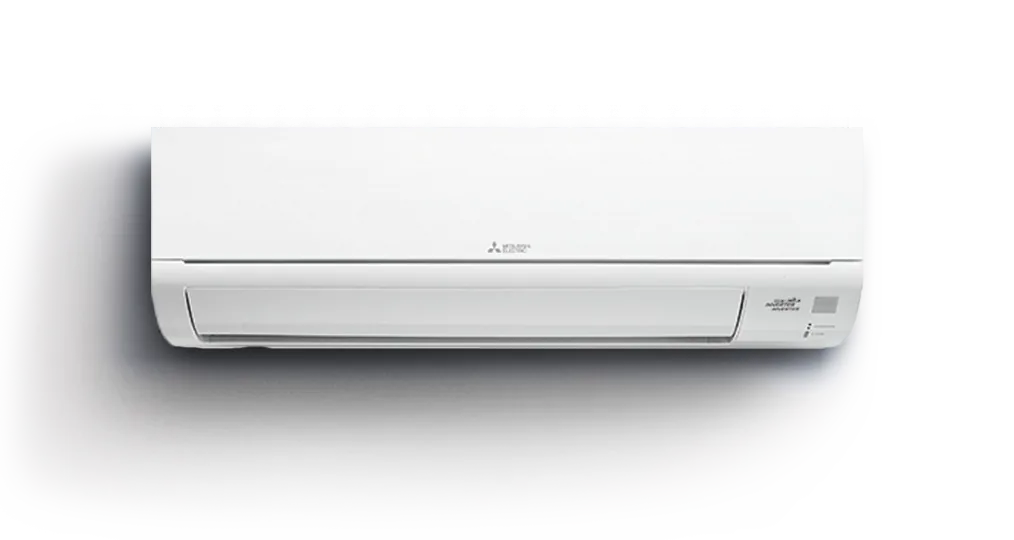
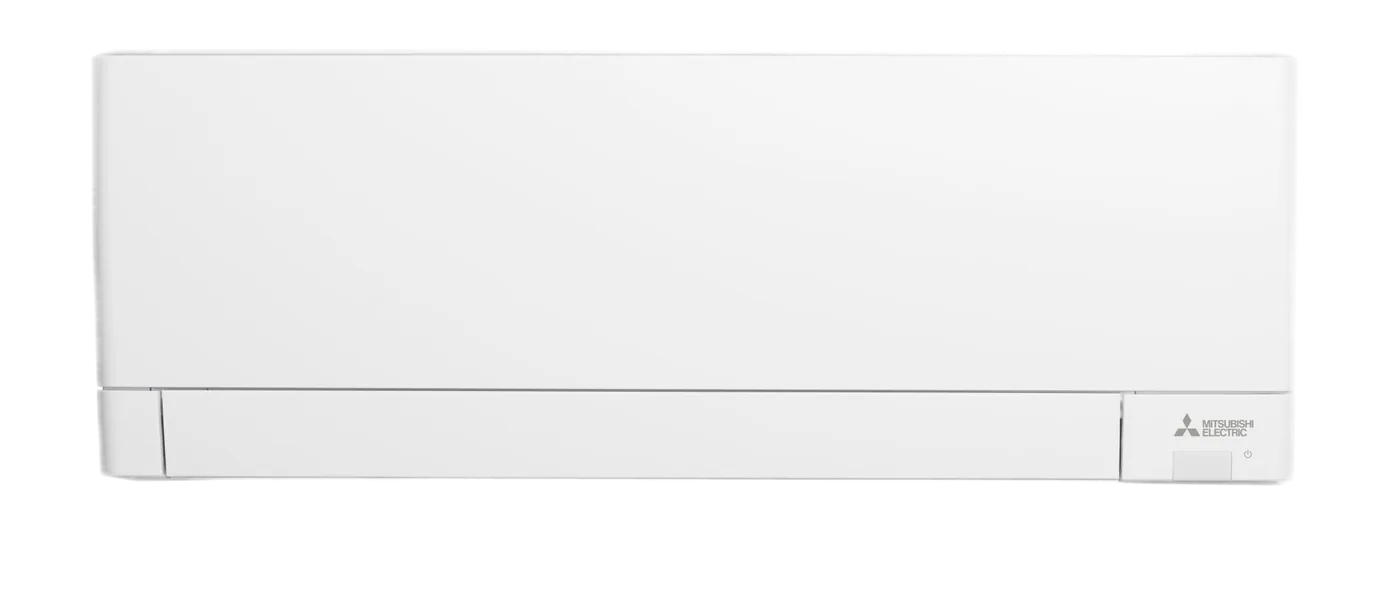
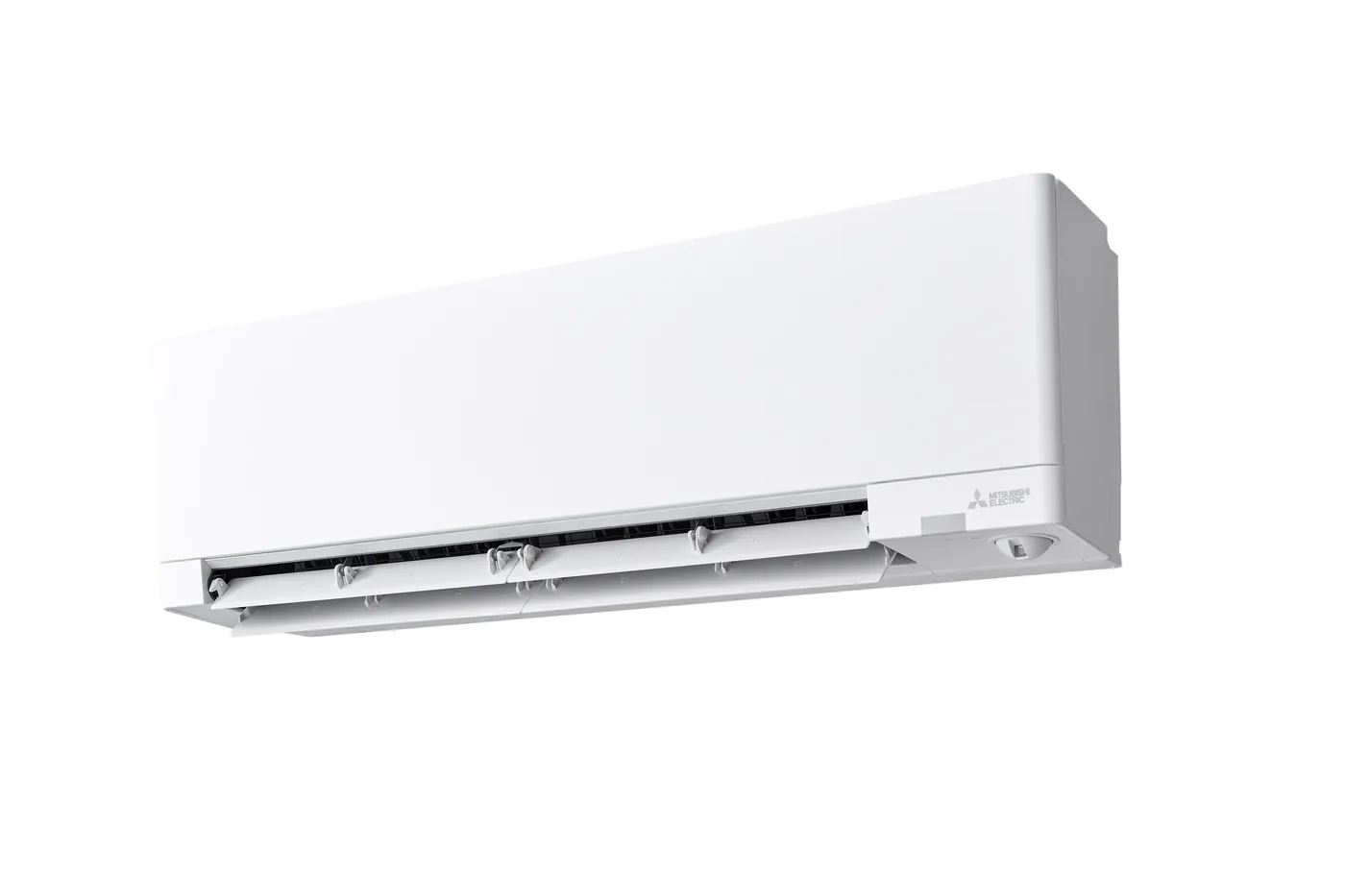
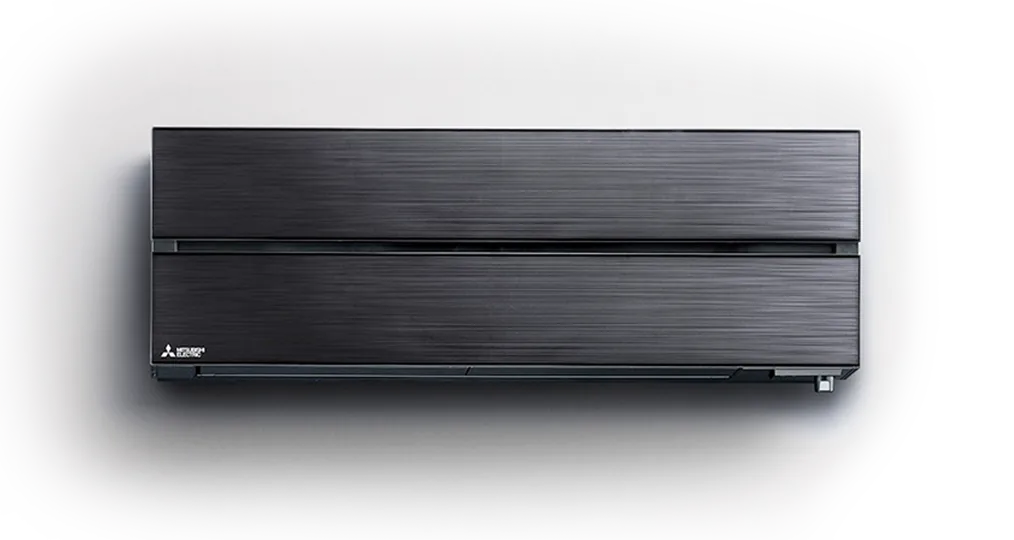
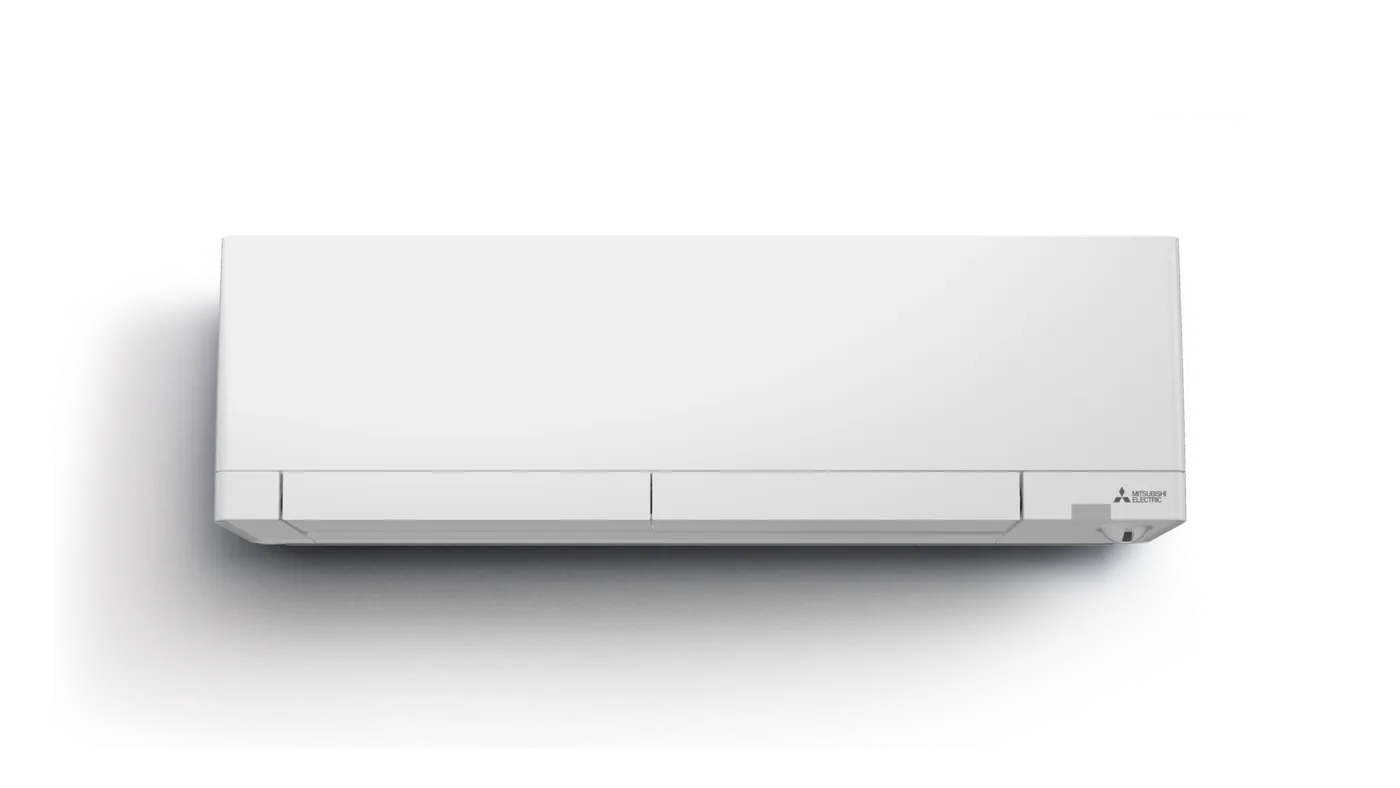
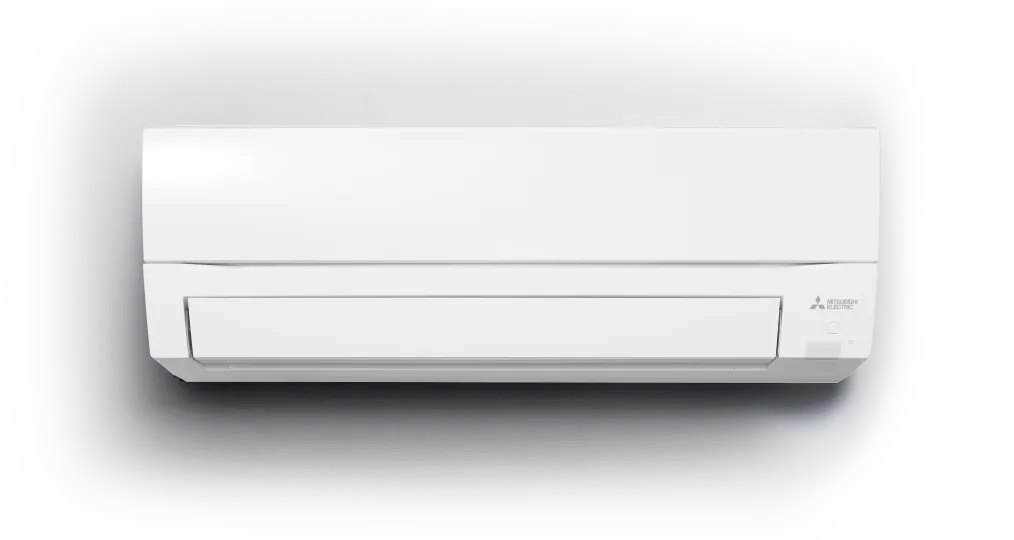
- MSY-TP – the MITSUBISHI ELECTRIC series designed for small server rooms and telecom rooms.
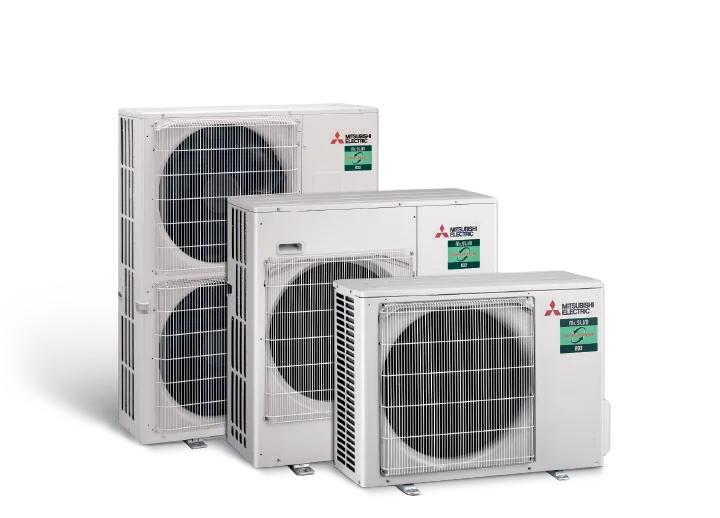
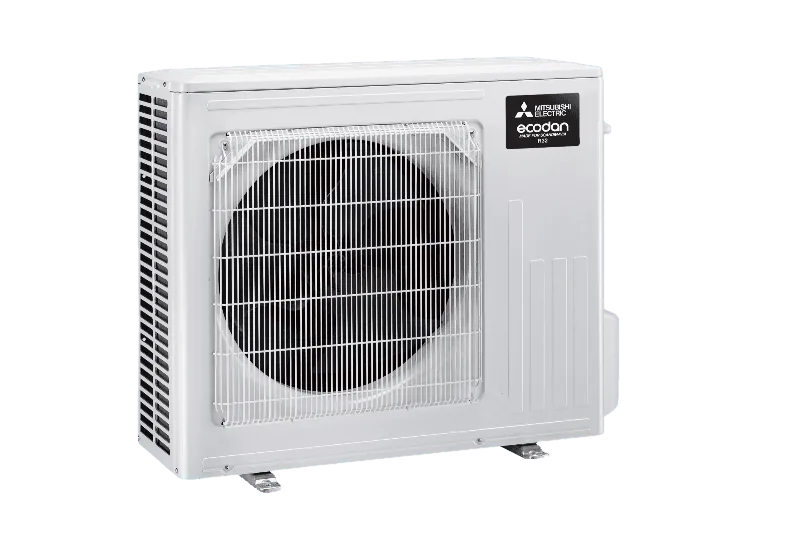
- Mr. Slim wall-mounted or ceiling-suspended units (PKA-M-LAL, PCA-M-KA) with Power Inverter outdoor units – for larger loads or when a more flexible layout is needed.
- Cold-season operation – we select models and accessories that, according to the manufacturer's data, allow cooling at low outdoor temperatures. Exact operating limits are on each model page.
For the underlying principles, see our academy article on server room cooling.
Redundancy: why one unit is often not enough
If the room holds business-critical equipment, a single air conditioner is a single point of failure. The usual answer is the N+1 principle: as many units as the load requires, plus one standby. Units run in rotation so they wear evenly, and if one fails or the temperature rises too high, the other starts automatically. A rotation and backup controller manages this. How much redundancy you need is decided together with your IT team, based on how much downtime the business can accept.
Monitoring and alarms
Cooling is only half the job – you also need to know about a problem in time. We recommend temperature monitoring, an alarm signal to the building management or IT monitoring system and, where suitable, remote access via MELCloud. Alarm recipients and the response plan are agreed at commissioning.
When the server room sits in an office or commercial building
A common situation is a server room inside an office building that already has a shared air conditioning or VRF system. Connecting the server room to the shared system looks convenient, but the shared system may be switched off at weekends, changed over to heating or stopped for maintenance. We therefore almost always recommend separate cooling for the server room, independent of the building system and with its own controls. If the space is leased, the outdoor unit position and electrical connection are agreed with the facility manager before equipment is ordered.
Growth and upgrades
IT load usually grows over time, so the concept shows how the system can be extended: space for an extra indoor unit, spare routing capacity or another outdoor unit position. When upgrading an existing server room, old equipment is replaced in stages so cooling is never interrupted.
What we need from you
The key figure is the IT heat load: number of racks, equipment power consumption or UPS load, and planned growth. We also need the room plan and height, information on walls, windows, door sealing and existing ventilation, possible outdoor unit positions and pipe route length. Tell us whether the room has backup power and whether the air conditioners must be connected to it. Send the request via the project form or the EKO2 PRO workspace.
Project stages
- Survey – the room, IT equipment, airflow paths and outdoor unit location.
- Concept – equipment type, redundancy scheme, controls and alarms.
- Specification – models, rotation controller and accessories for winter operation.
- Quotation – for equipment, installation and commissioning.
- Supply and installation – planned so a live server room is never left without cooling; temporary measures are agreed in advance.
- Commissioning – rotation and failover test, alarm check, recorded operating parameters.
- Maintenance – a periodic maintenance contract with scope and terms agreed individually.
Typical risks
Capacity sized by floor area. We calculate from the IT load and growth plans. Hot spots between racks. Unit positions follow the rack layout and airflow. Condensate above equipment. Indoor units and drain lines are never planned above IT racks. Winter cooling. We check that the chosen model and accessories meet the manufacturer's cold-season operating conditions. Unnoticed failure. Alarms and redundancy reduce the risk that a problem is discovered only when servers shut down.
Documentation
We hand over manufacturer datasheets, the specification, the control and alarm diagram, a commissioning report with failover test results and an equipment list with serial numbers – useful for IT audits and for insurance or lease requirements.
Maintenance
Server room air conditioners run all year, so their maintenance must be regular: cleaning filters and heat exchangers, checking drainage, testing rotation and failover, checking alarms and reviewing operating parameters. We schedule maintenance with your IT team so it never clashes with critical work.
How 3D works
Server room cooling in Lithuania, all year round – 3D
Interactive model: rotate, zoom, click on components.
FAQ
Can a domestic air conditioner be used for a server room?
We do not recommend it. A server room needs equipment built for continuous duty and for cooling in the cold season. MITSUBISHI ELECTRIC offers the MSY-TP series for server rooms and Mr. Slim solutions for larger loads.
Will a server room air conditioner work in winter?
Yes, if a suitable model and accessories are selected. The manufacturer specifies cooling limits at low outdoor temperatures – you will find them on the model page, and we check they suit your site.
What is N+1 redundancy?
It means installing as many units as the load requires plus one standby. Units run in rotation, and if one fails another starts automatically.
How is server room cooling capacity sized?
From the IT equipment heat load, additional gains through walls and windows, and planned growth. Floor area is not a suitable indicator here.
Can we be alerted if the server room temperature rises?
Yes. We provide an alarm signal to the building management or IT monitoring system and, where suitable, remote access via MELCloud. Recipients and the response plan are agreed at commissioning.