






















VRF / City Multi for offices: when it makes sense and how to design it
Prepared by EKO2ŠILUMA engineers · Updated 2026-10-29
An office rarely has the same temperature everywhere: south-facing rooms overheat on sunny days, the meeting room fills up with people, and staff on the north side may feel cold. A single central thermostat cannot solve that. This is where VRF (variable refrigerant flow) systems pay off – Mitsubishi Electric's range is called City Multi.
How a VRF system works
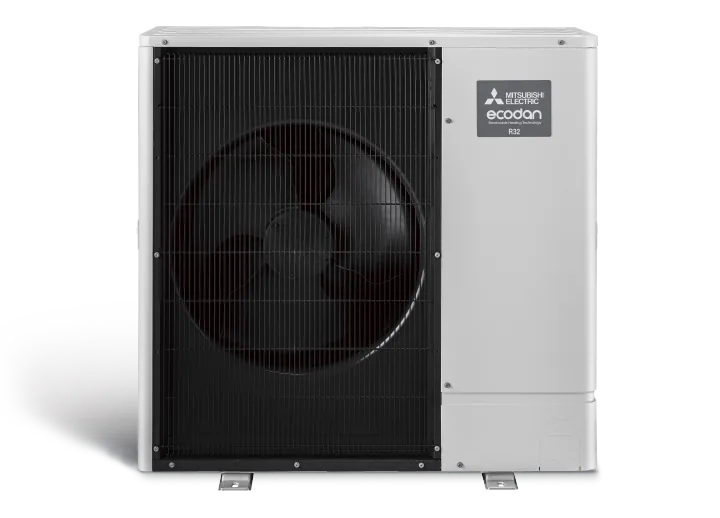
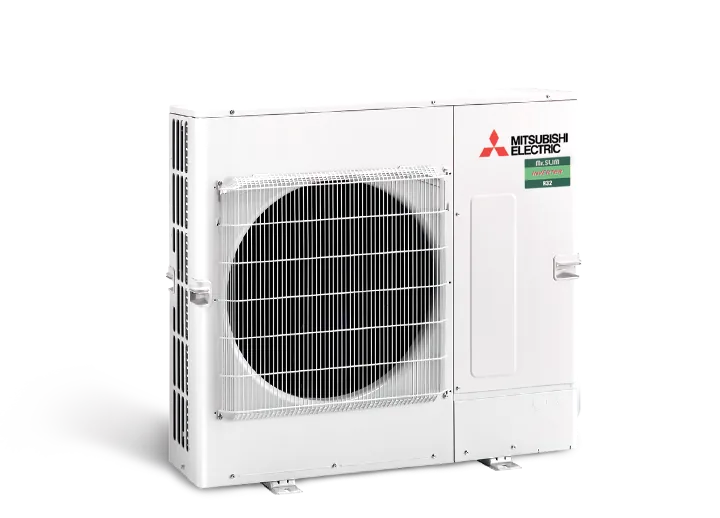
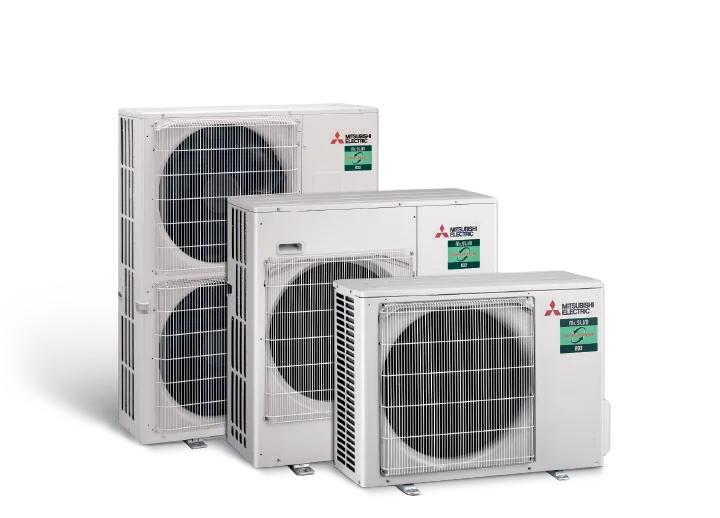
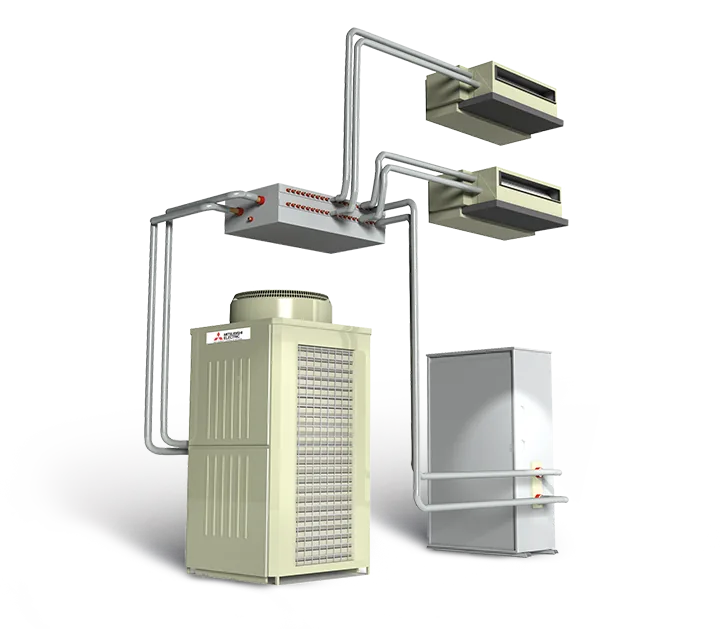
In a VRF system one or more outdoor units are connected by refrigerant piping to many indoor units. The inverter compressor modulates capacity to match the current heating or cooling demand, and each indoor unit is controlled individually. Every zone can have its own temperature and schedule.
The manufacturer presents City Multi as a versatile, easily adaptable system; one of its features is a 2-pipe connection system, which according to the manufacturer reduces material and installation costs. Certain VRF configurations can heat some zones while cooling others and move heat between them (the heat recovery principle). Whether this is needed is decided from the building's loads.
City Multi or PUMY?
- City Multi – for larger offices, multiple floors and buildings with many zones that need central control.
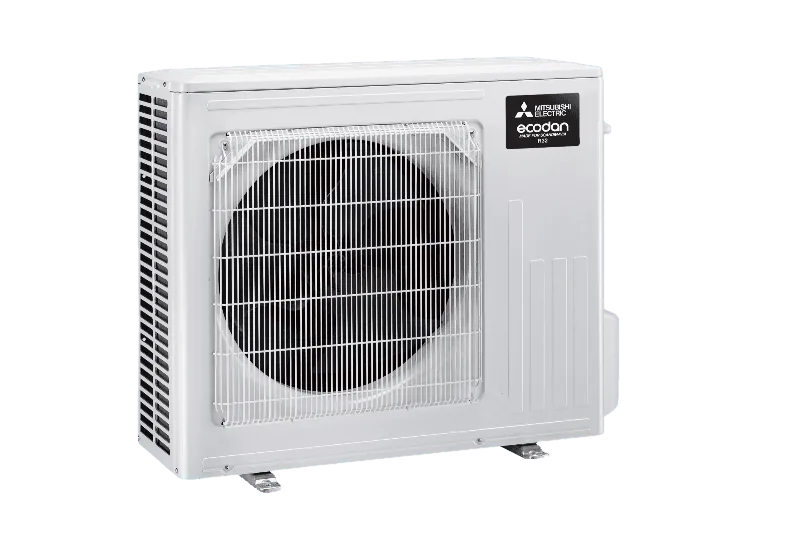
- PUMY series – designed by the manufacturer for buildings needing low noise, high capacity and individual indoor units: smaller offices, shops, hotels and large homes. Up to 8 indoor units can be connected to a PUMY outdoor unit.
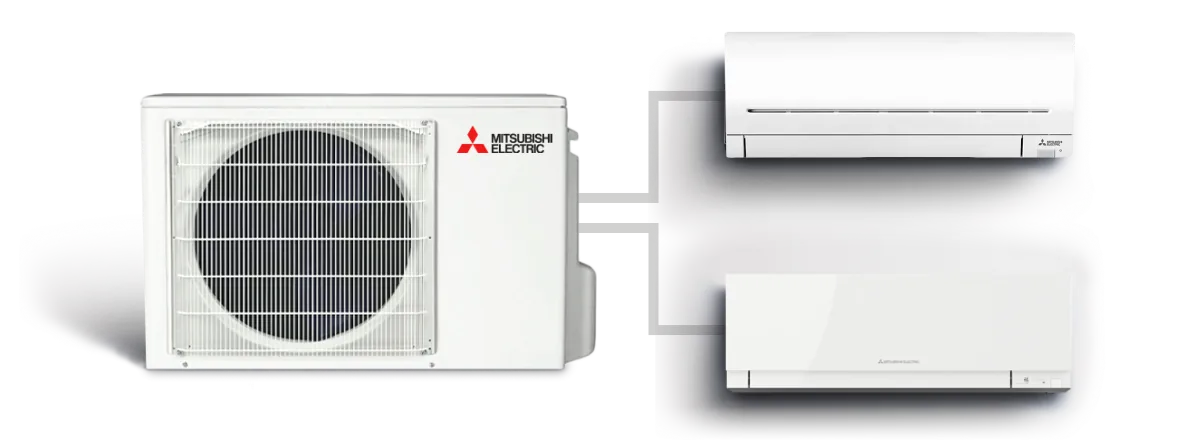
- Multi Split MXZ – for a small office with a few rooms.
Indoor unit types for offices
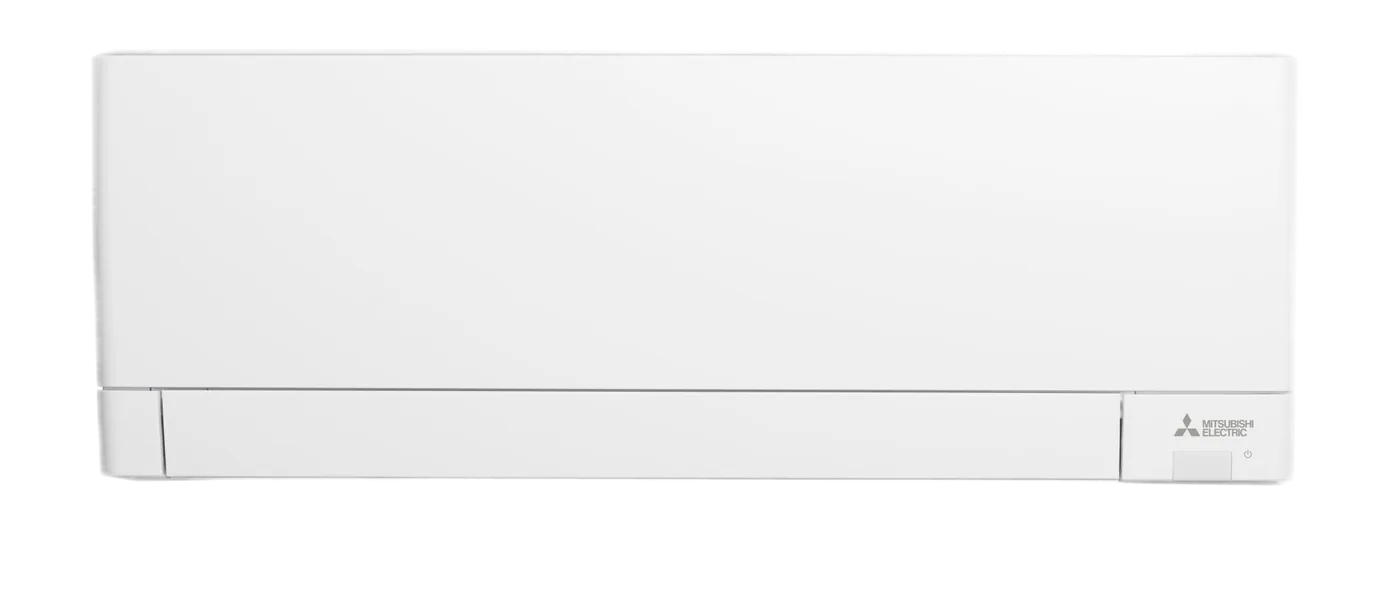
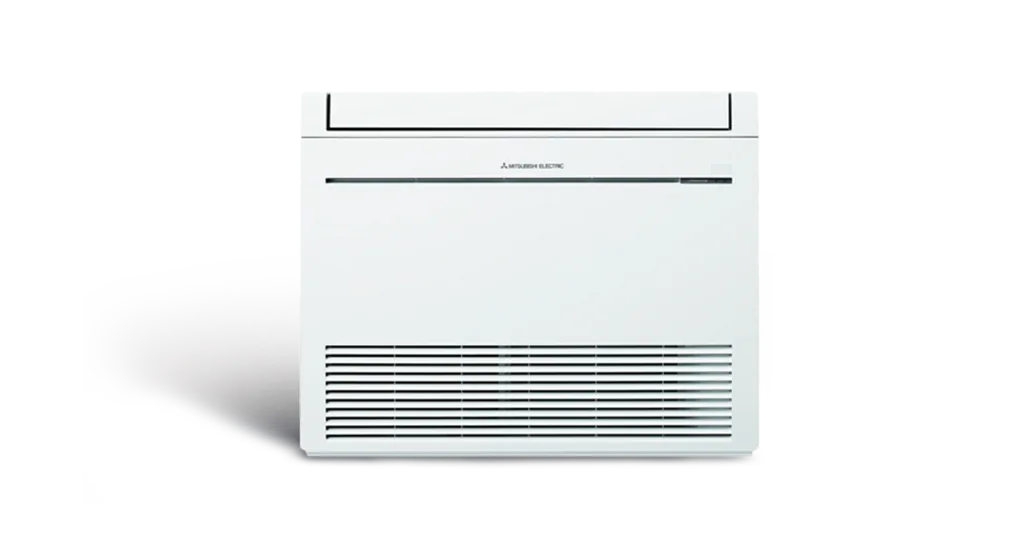
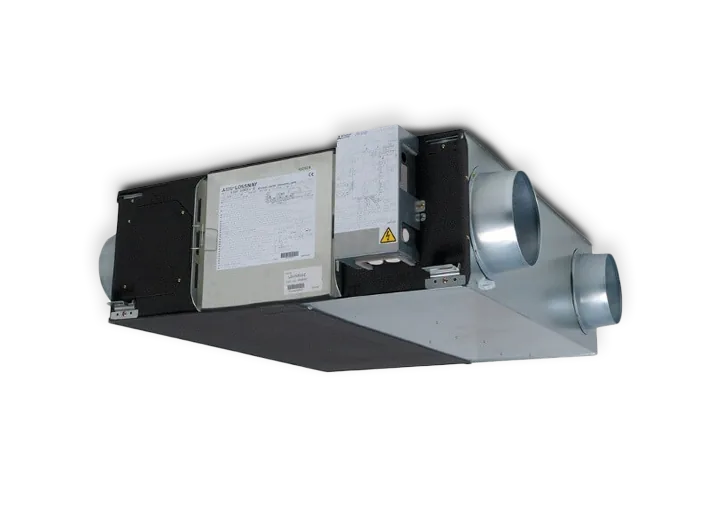
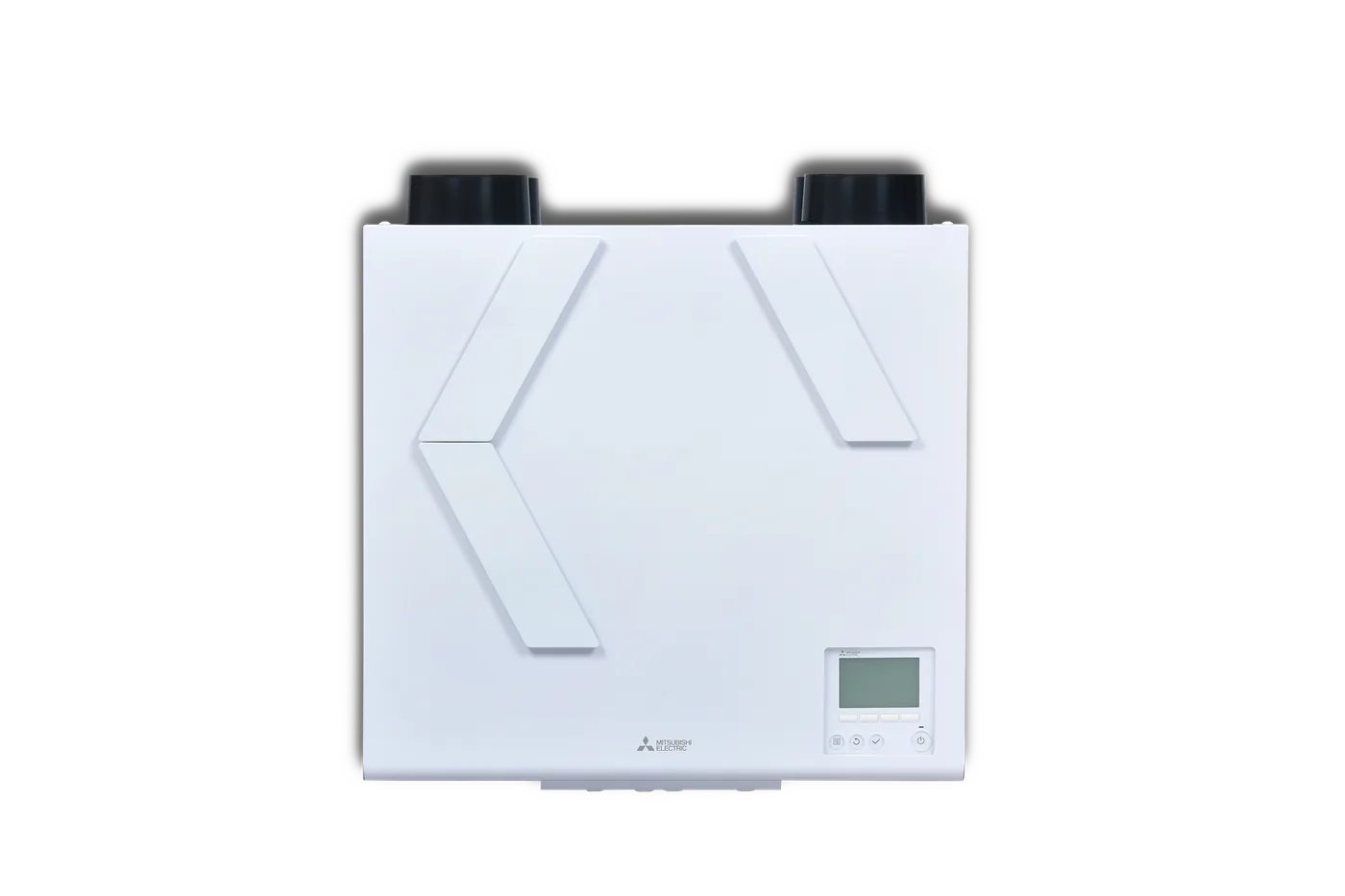
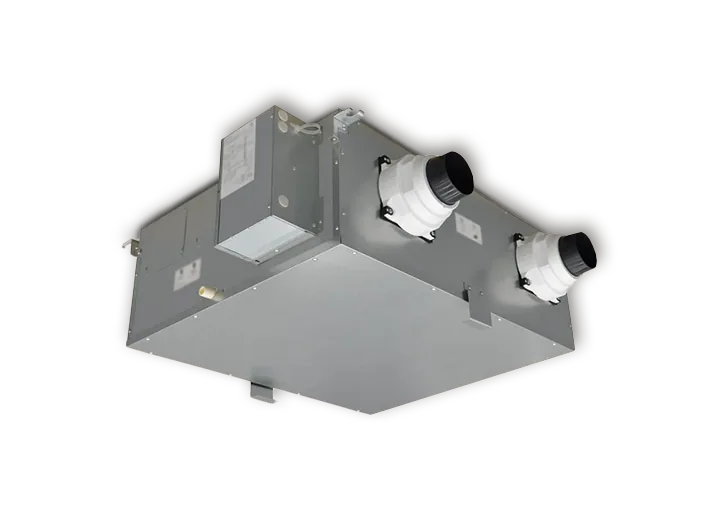
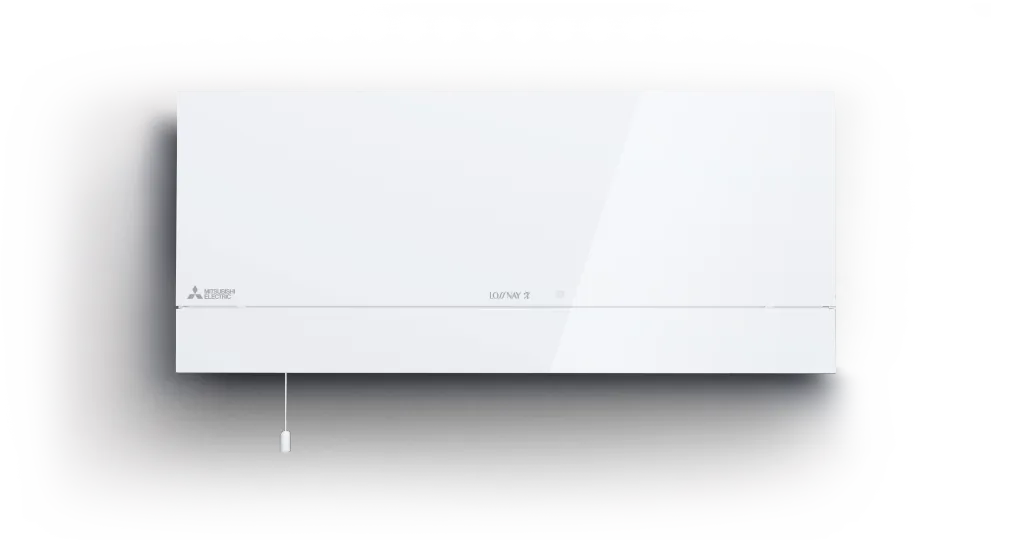
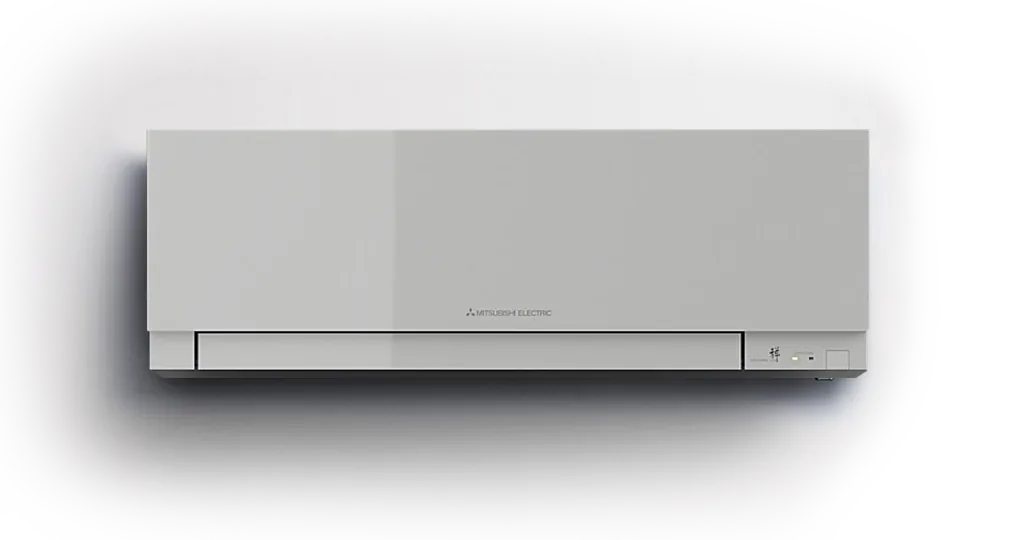
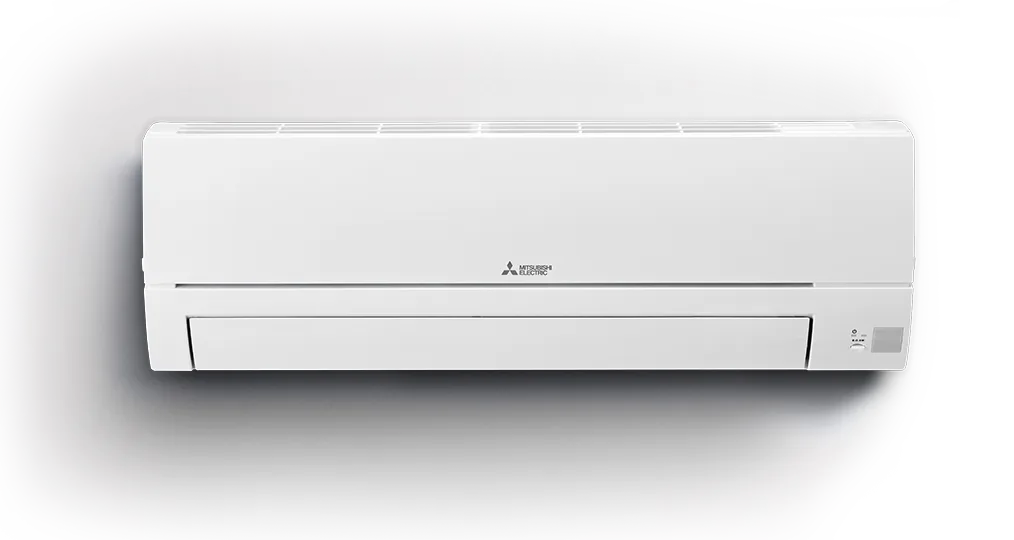
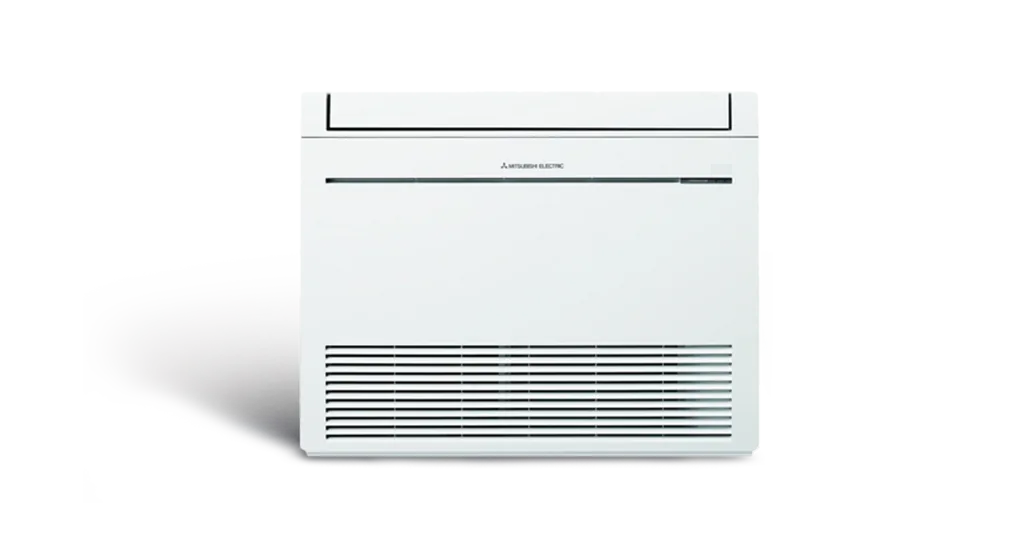
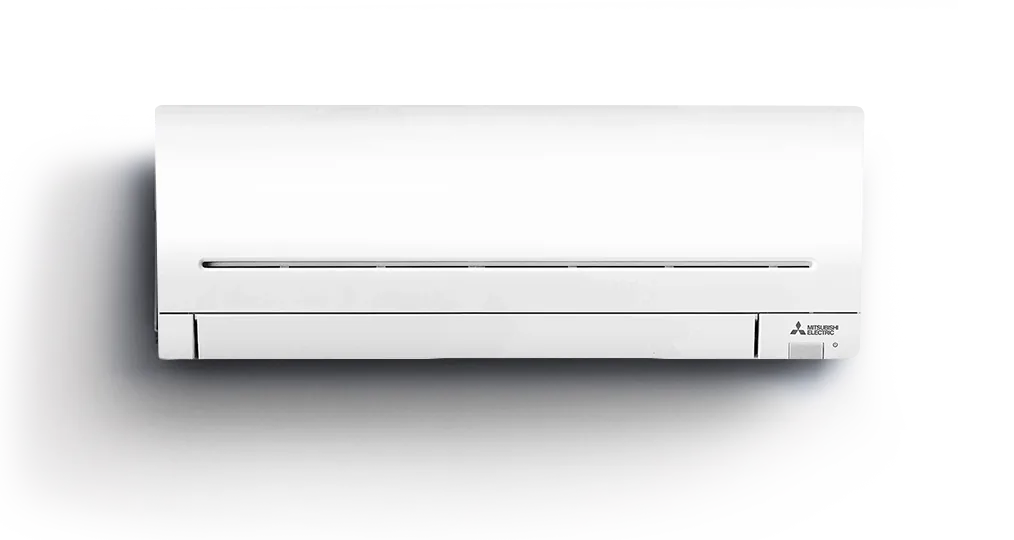
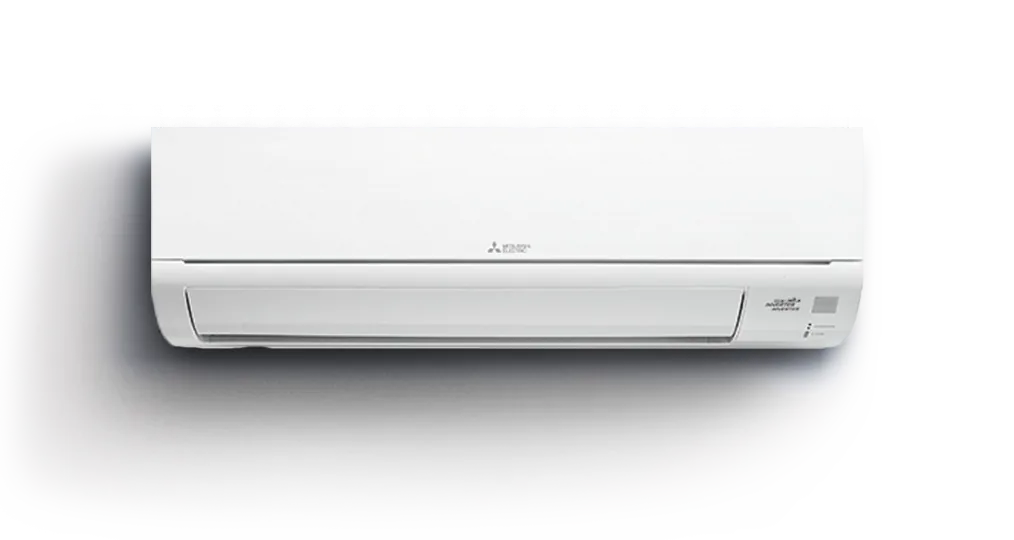
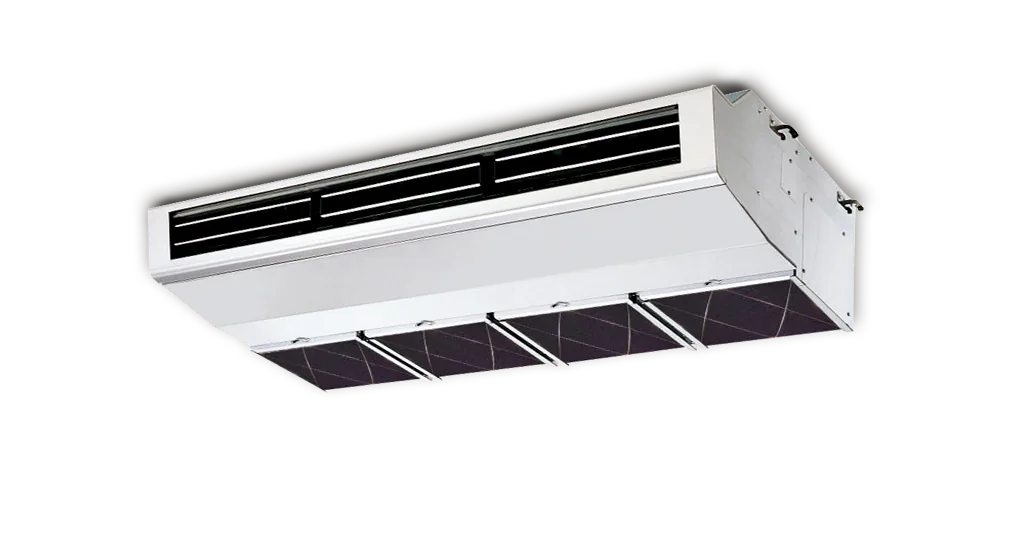
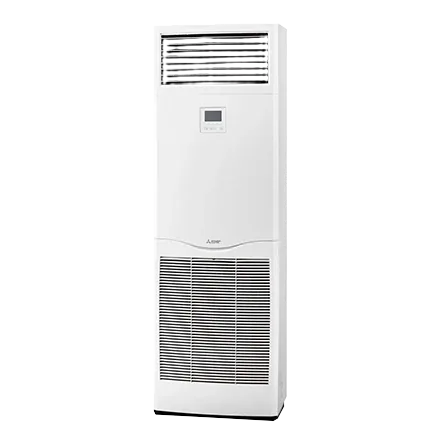
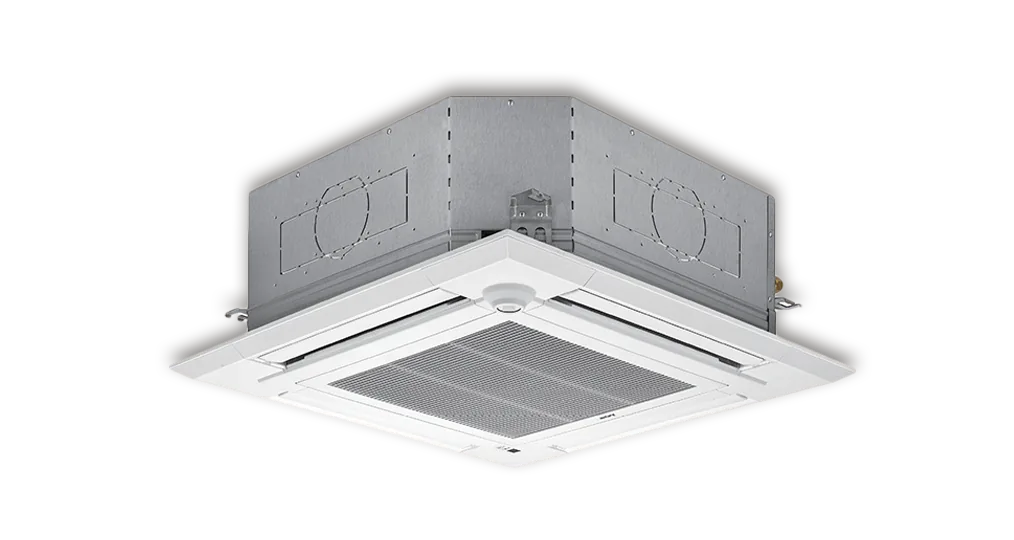
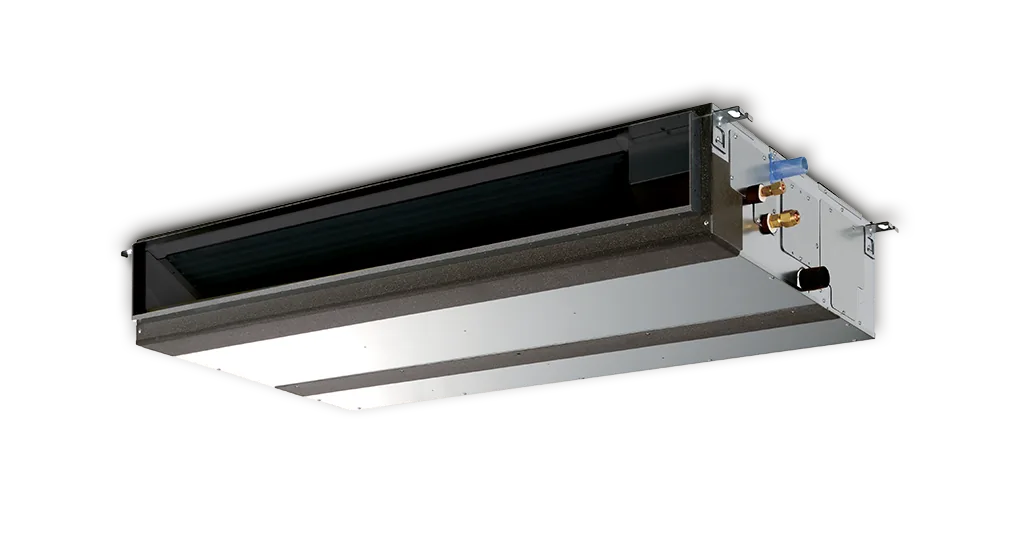
Indoor units are chosen to suit the room and interior: 4-way cassettes in suspended ceilings for open-plan areas, ducted units hidden above the ceiling with diffusers, ceiling-suspended units where there is no false ceiling, and wall-mounted units for small rooms. Fresh air is handled by ventilation, for example Lossnay LGH-RVX3.
Design stages
- Brief and data: floor plans, room use, working hours, occupancy, IT and other equipment, façade orientation.
- Load calculation: winter heat losses and summer heat gains for each zone.
- Zoning and equipment selection: outdoor and indoor unit capacities, locations, noise requirements.
- Pipe routing: lengths, height differences and branch kits – checked against the manufacturer's limits for the specific model.
- Controls: local controllers, central control, integration with building automation, metering needs.
- Installation, commissioning and balancing, followed by regular servicing.
What to watch in an office project
- Noise. Indoor unit noise must suit the room, especially meeting rooms, and outdoor unit locations must not cause issues for neighbours or adjacent spaces.
- Tenant changes. Office layouts change. VRF flexibility allows zones to be reorganised later if this is planned at design stage – for example by leaving capacity reserve or branch locations.
- Metering. If the building has several tenants, consider energy metering and cost allocation from the outset.
- Service access. Cassettes, ducted units and branch kits must be reachable through access hatches.
- Refrigerant charge in occupied rooms. In larger systems, refrigerant quantity and small-room limits are assessed against applicable standards.
Service after commissioning
A VRF system is a long-term investment, so plan its upkeep in advance: regular filter cleaning, indoor and outdoor unit checks, refrigerant leak checks as required by law, and a review of control settings whenever room use changes. Our service team maintains Mitsubishi Electric commercial systems in Kaunas, Vilnius, Klaipėda and the surrounding districts.
What you get from EKO2ŠILUMA
We support you from brief to commissioning: we select Mitsubishi Electric equipment, prepare specifications, install, commission and service the system. Designers and contractors can use the EKO2 PRO workspace to submit a project, receive a specification and track progress. Read more in HVAC design, and use the system finder for a first view of the system type.
Suitable equipment



FAQ
How many indoor units can be connected to a VRF system?
It depends on the specific outdoor unit model and its capacity. A PUMY unit takes up to 8 indoor units; for City Multi we check the limits against the manufacturer's data for the chosen model during design.
Does a VRF system supply fresh air?
No, VRF heats and cools room air. Fresh air comes from ventilation, such as Lossnay heat recovery units; we design both together so they work in harmony.
Can you provide a specification for our designer?
Yes. Through the EKO2 PRO workspace your designer can submit the project, choose models and receive a specification document, and our engineers refine the solution.
Need a professional assessment?
An EKO2 engineer will review your building and prepare a quotation.