

























Air-to-air or air-to-water heat pump: which one is right for you?
Prepared by EKO2ŠILUMA engineers · Updated 2026-10-29
Both types take heat from outdoor air, but they deliver it differently. That determines which problems they solve, how much installation work is involved and how well they suit your home.
Air-to-air: heat and cooling straight into the room
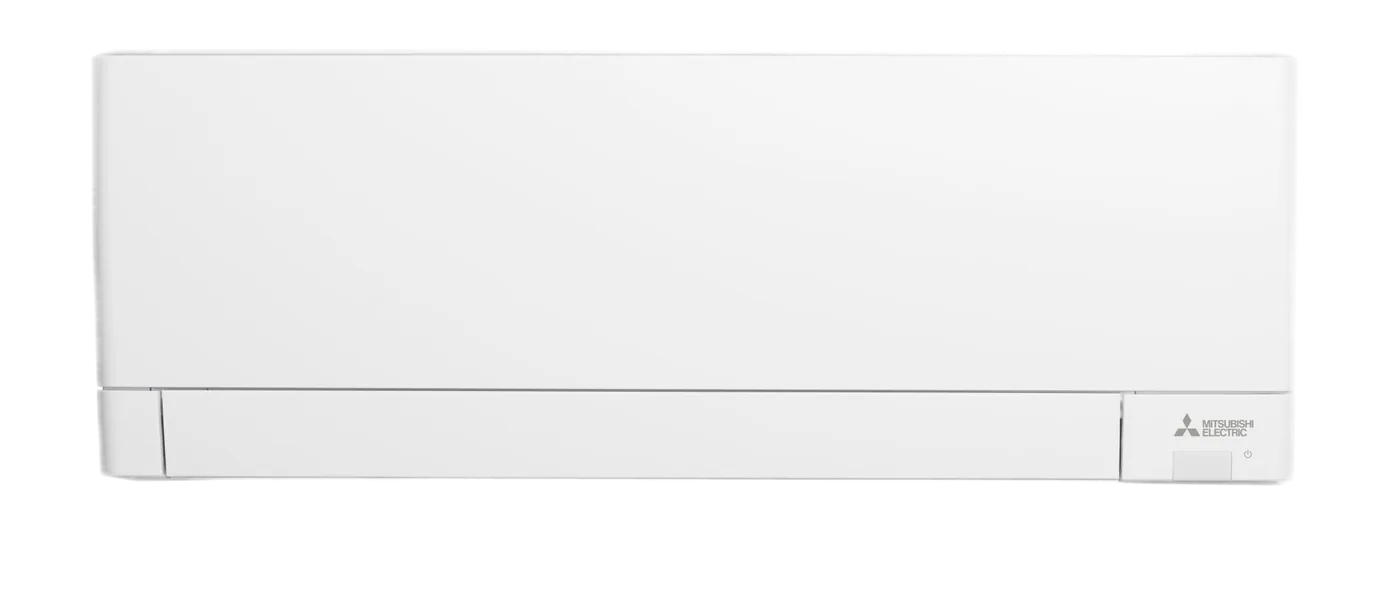
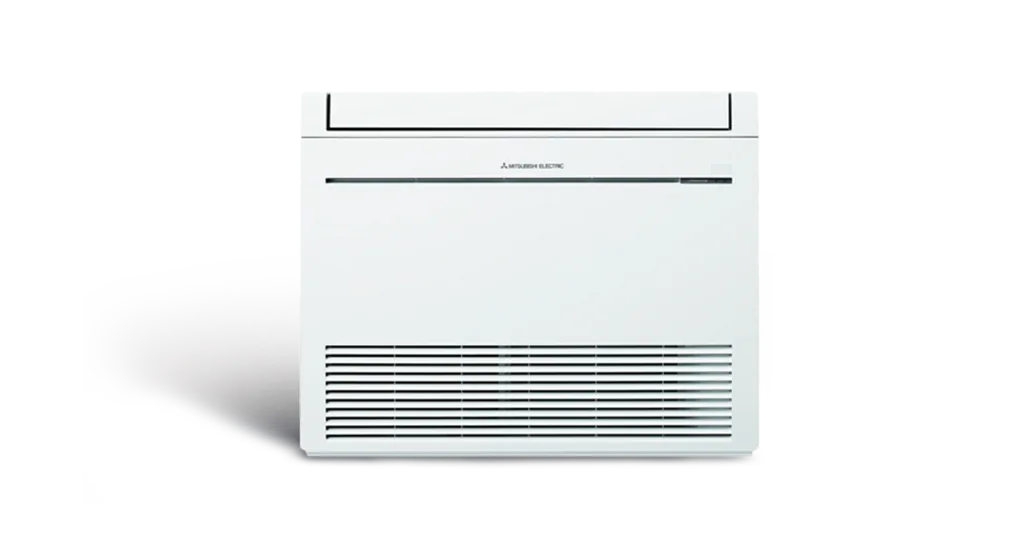
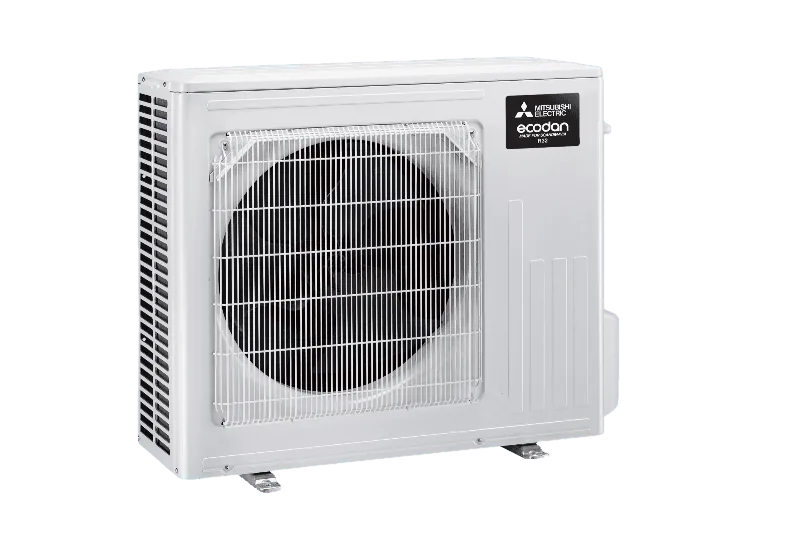
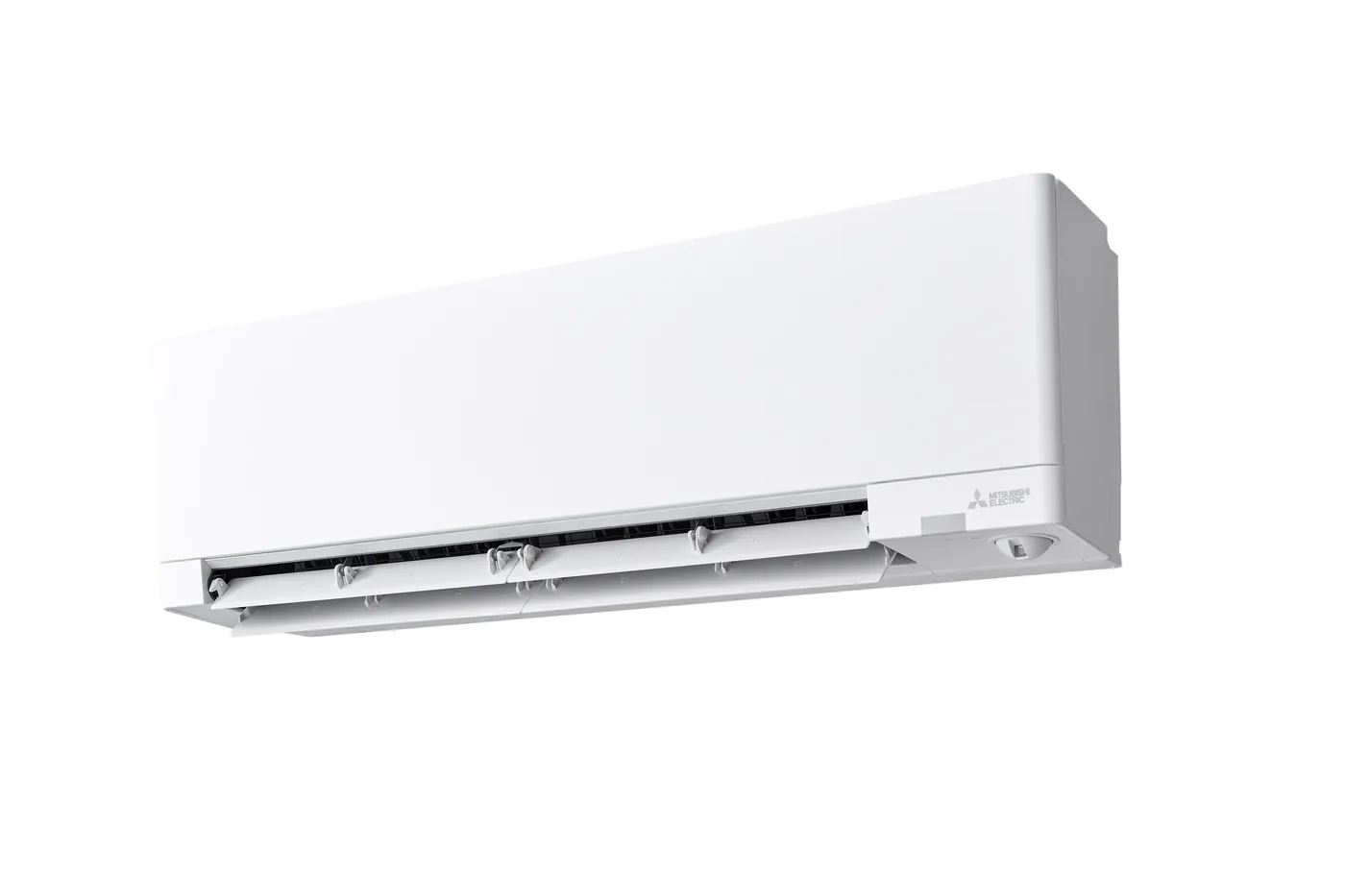
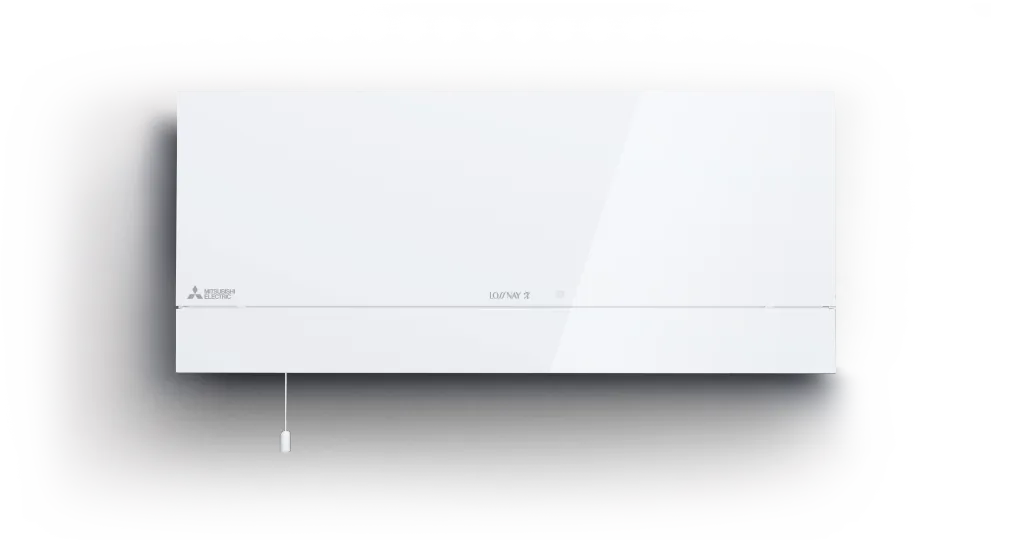
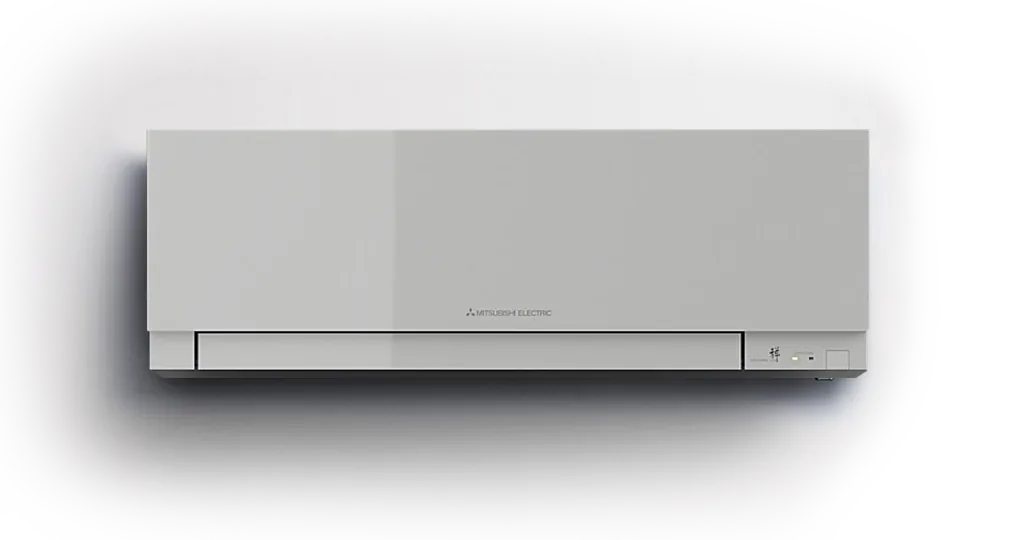
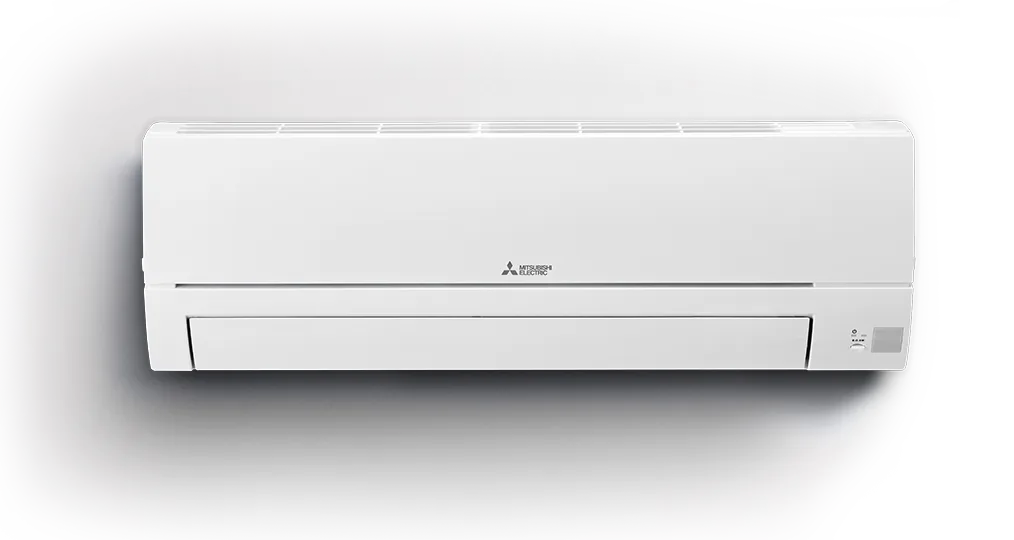
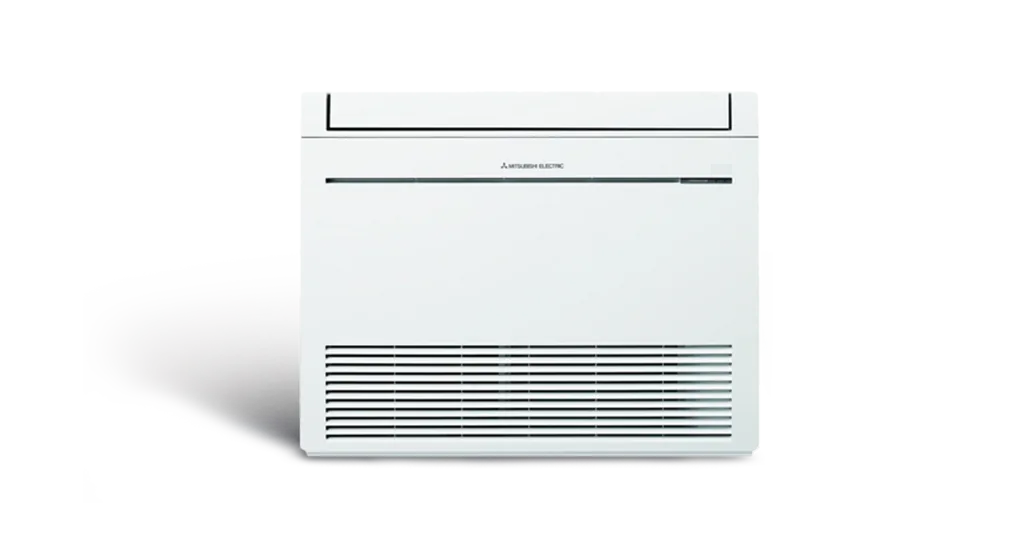
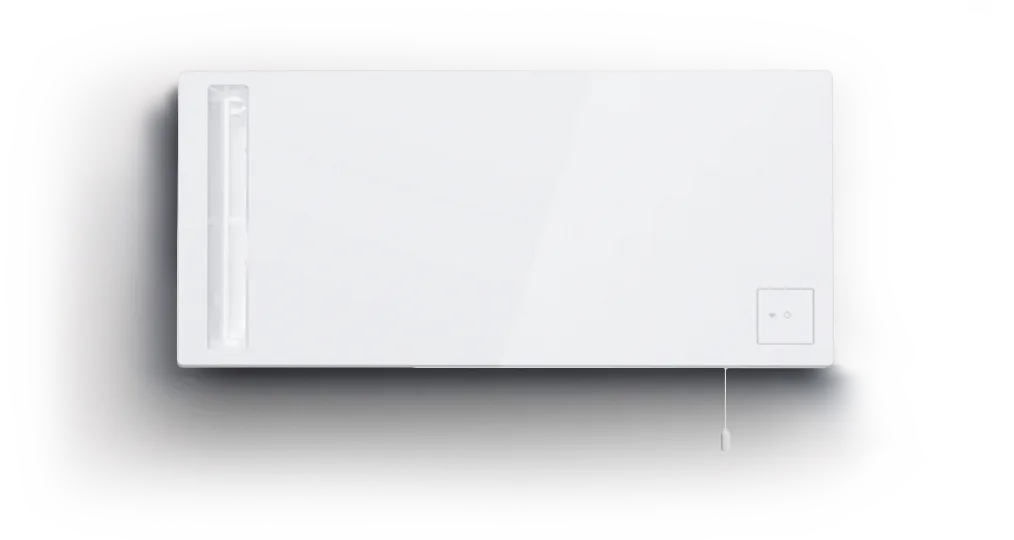
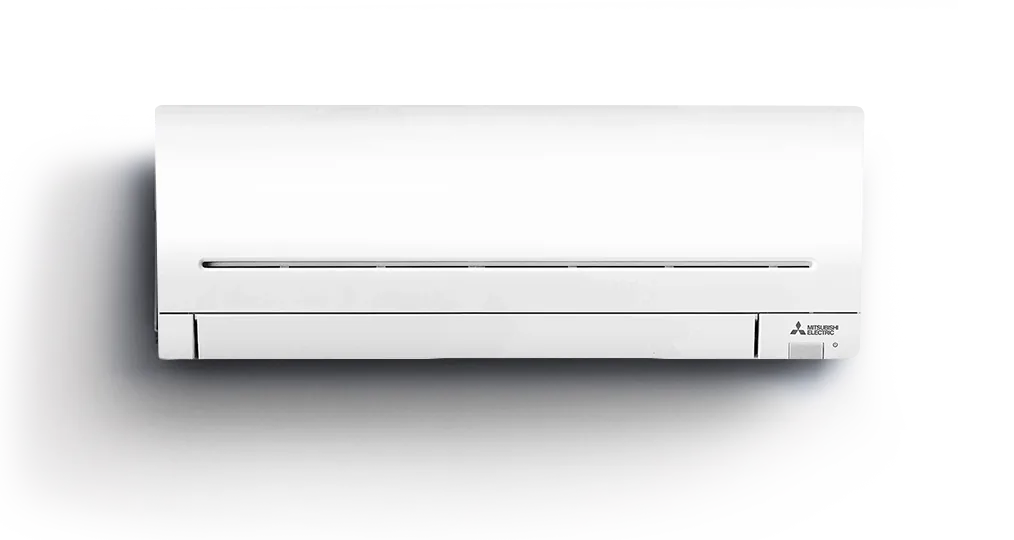
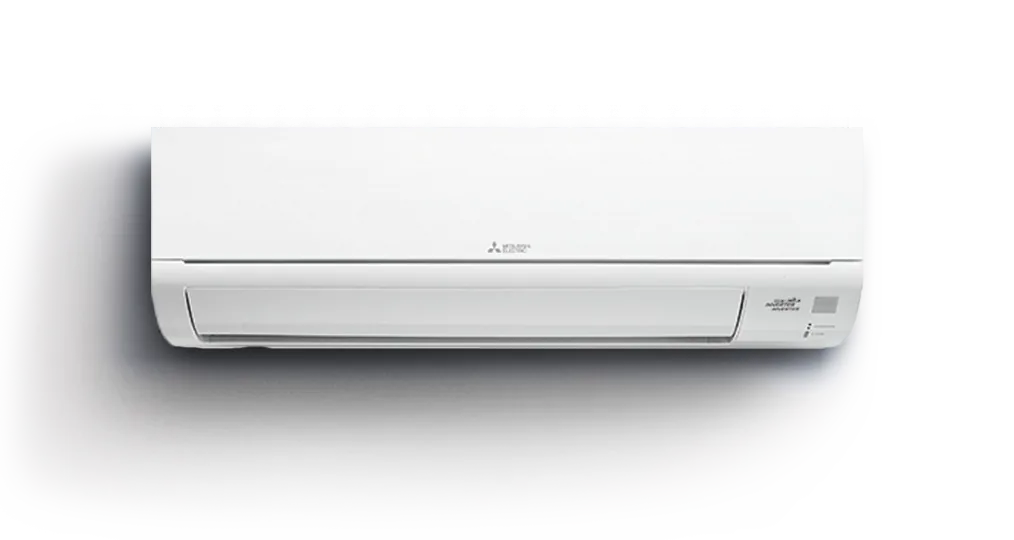
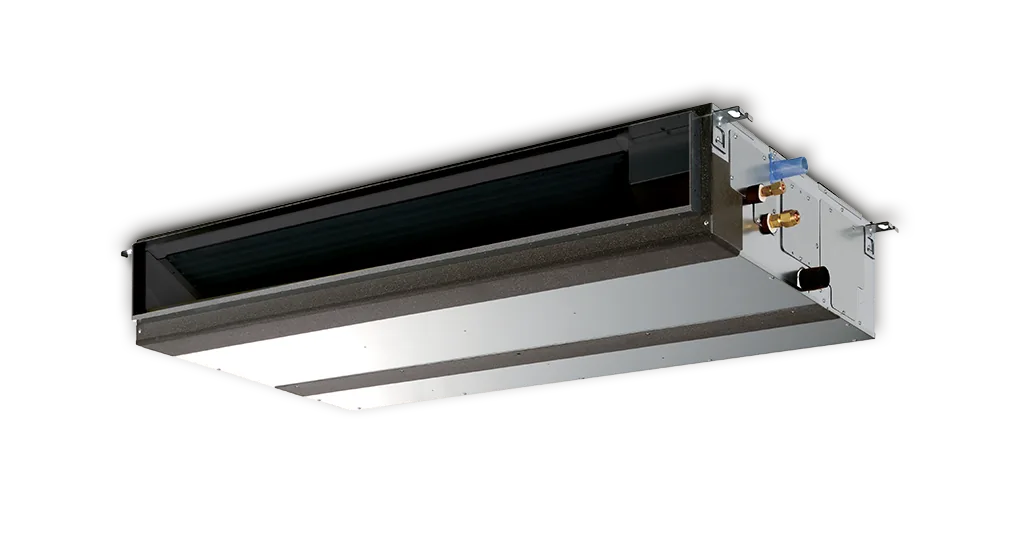
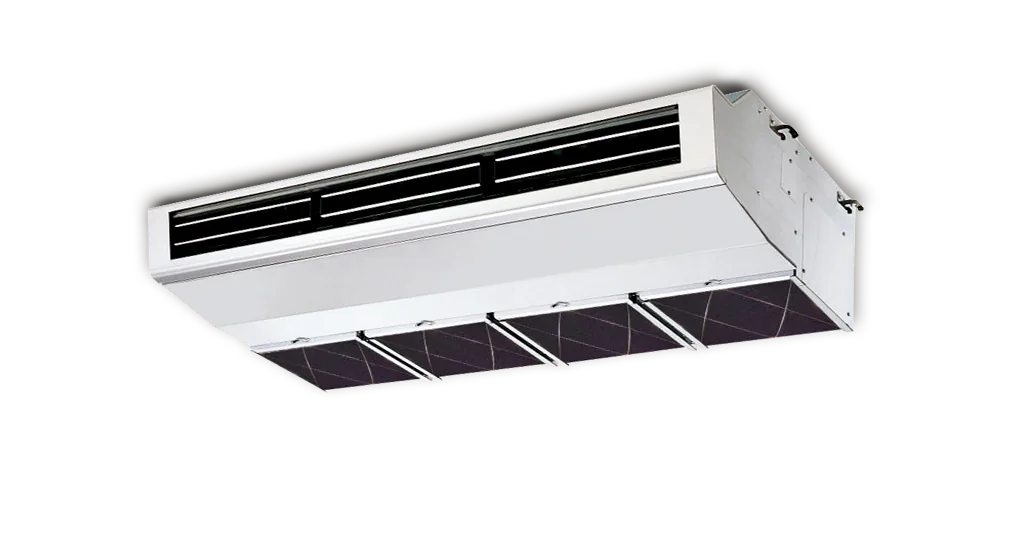
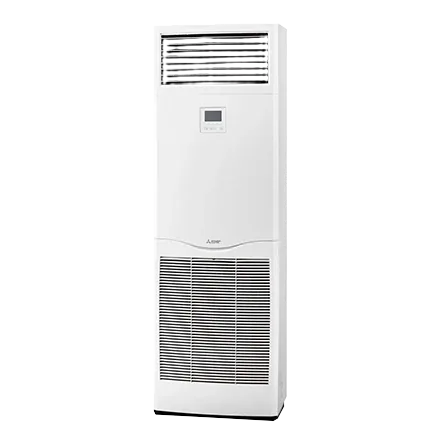
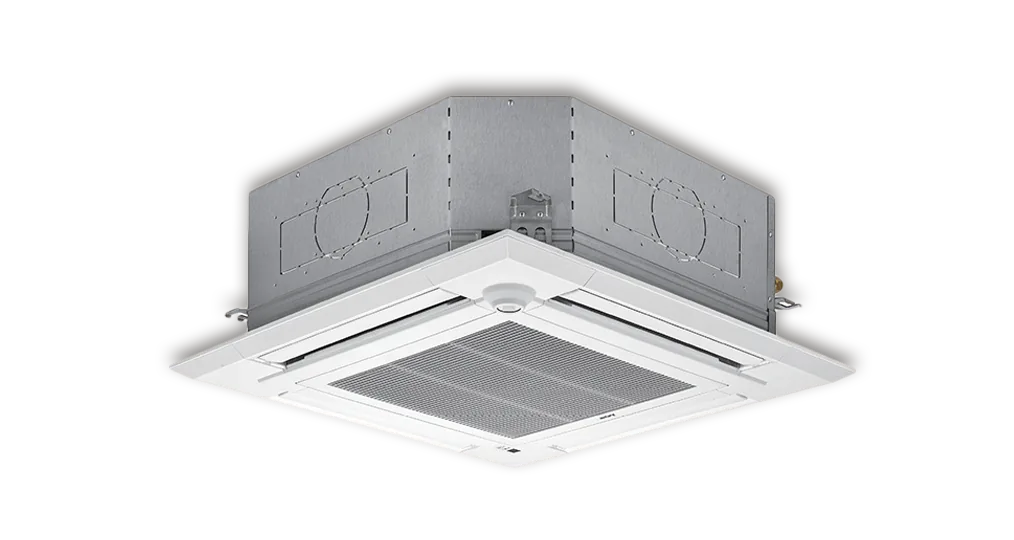
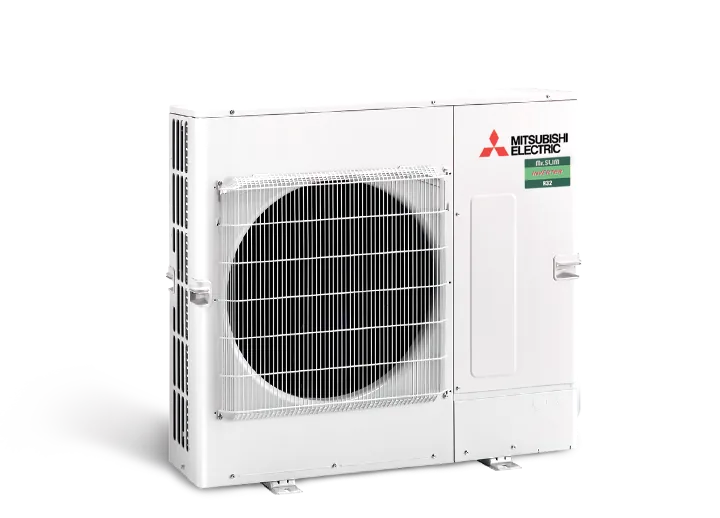
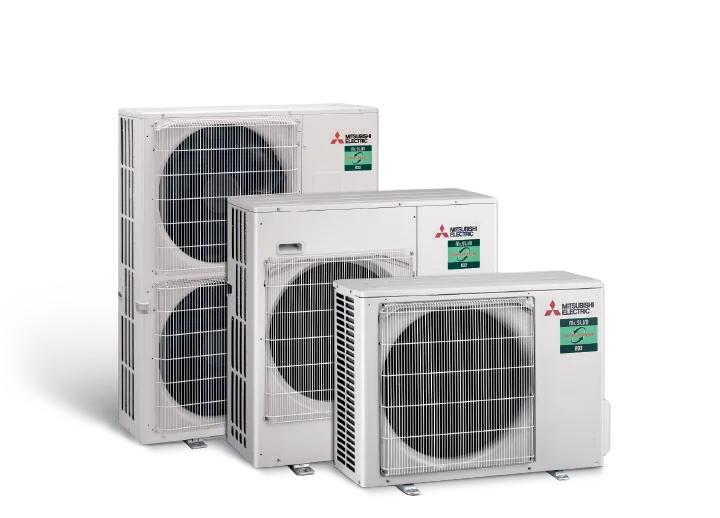
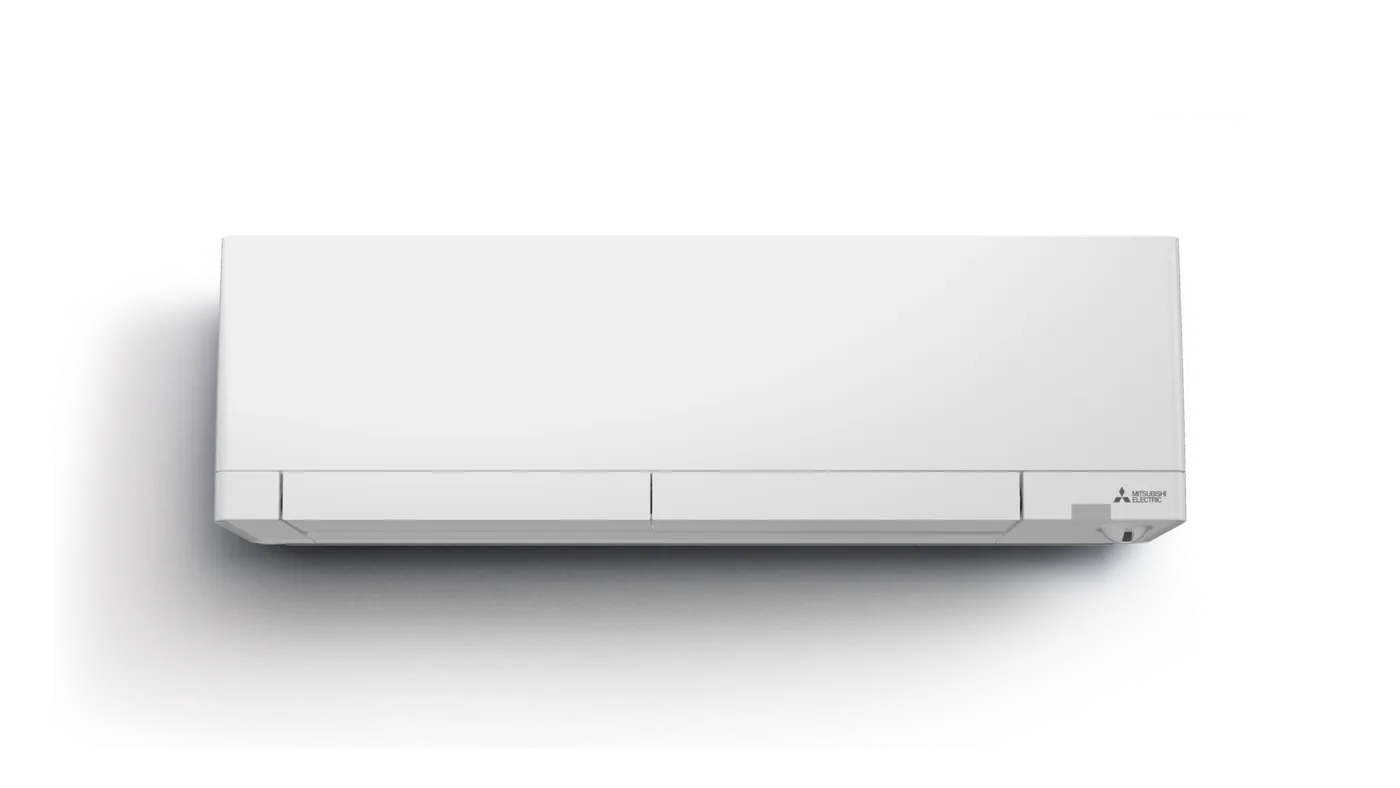
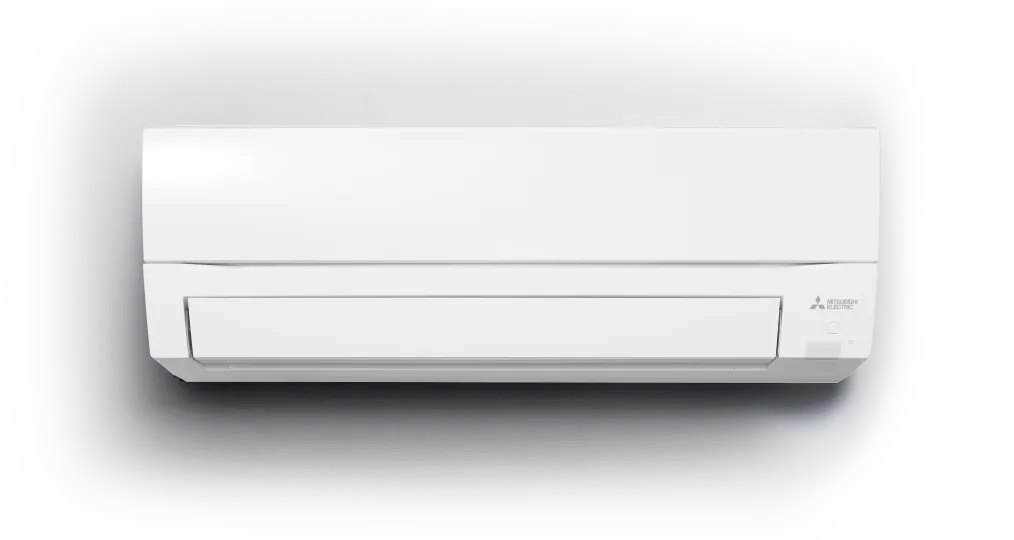
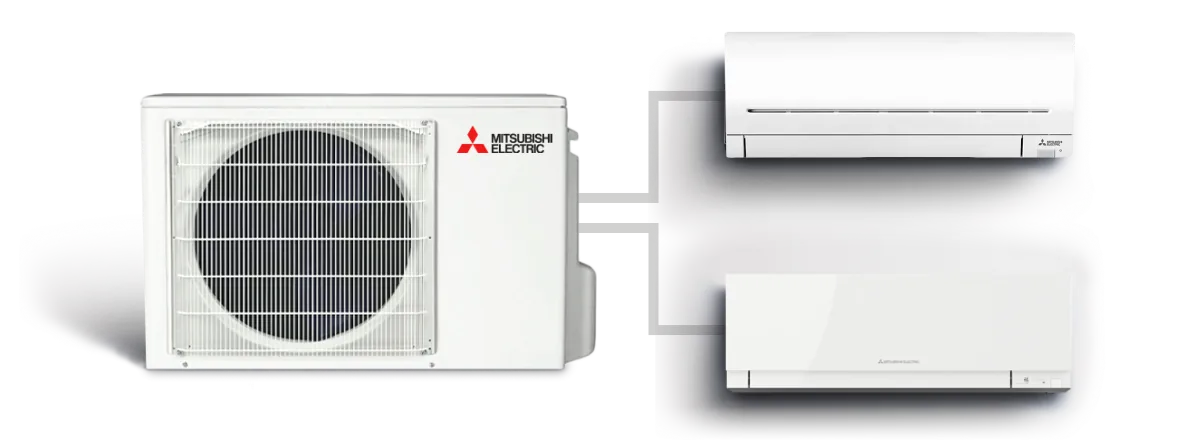
An air-to-air system consists of an outdoor unit and one or more indoor units – wall-mounted, floor, cassette or ducted. The indoor unit's fan spreads warmth in winter and cool air in summer. Key advantages:
- Three functions in one system – heating, cooling and air filtration.
- Fits almost any home – occupied or under construction, with no major building work.
- An excellent supplement to electric heating, a fireplace, a stove or a gas boiler.
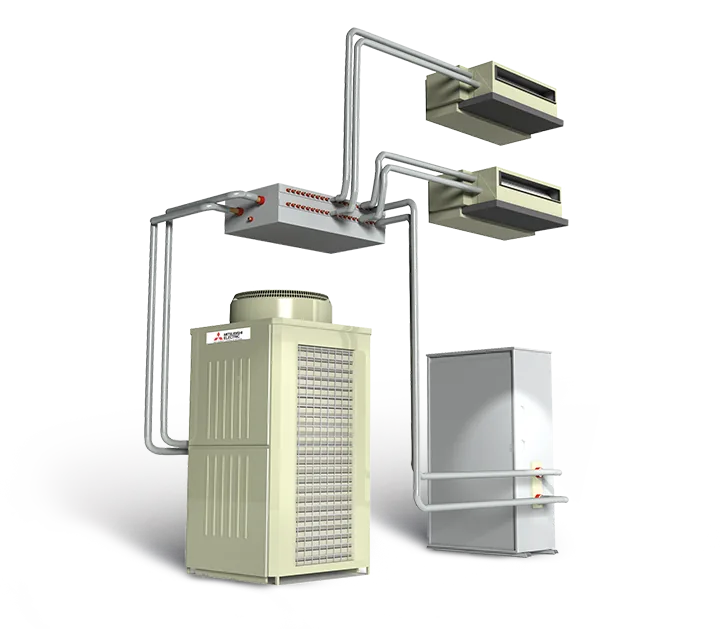
Know the limits: an air-to-air unit does not heat radiators or underfloor loops and does not produce hot water. Heat spreads only as far as the layout allows, so it suits open-plan spaces better than many closed rooms. For several rooms a Multi Split system with several indoor units is an option.
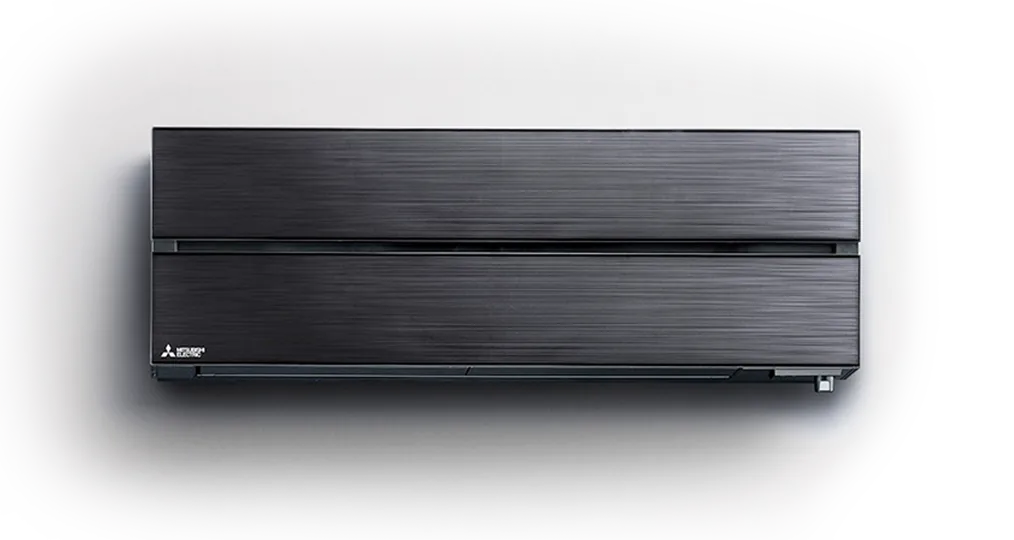
Mitsubishi Electric models designed for Nordic climates with Hyper Heating technology – such as MSZ-LN, MSZ-RW or MSZ-FT – are built to keep heating at low outdoor temperatures. The operating range of each model is listed on its product page according to manufacturer data.
Air-to-water: a complete heating system
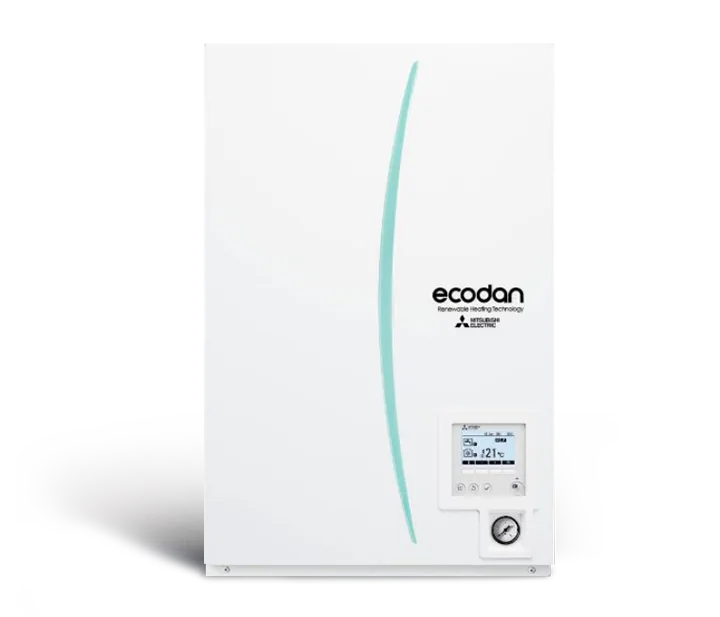
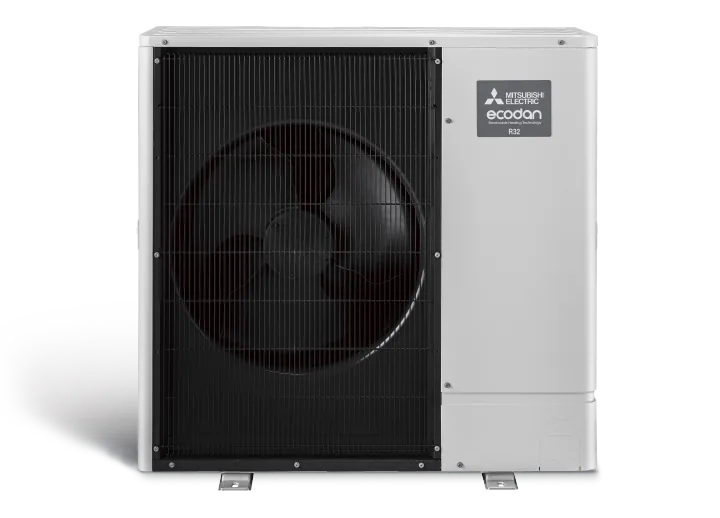
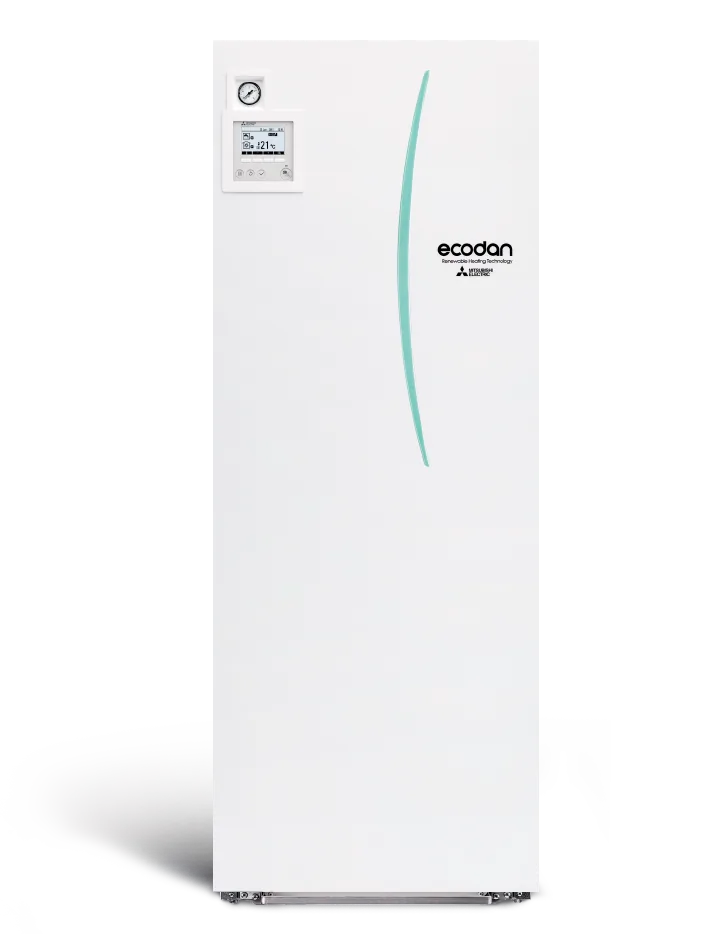
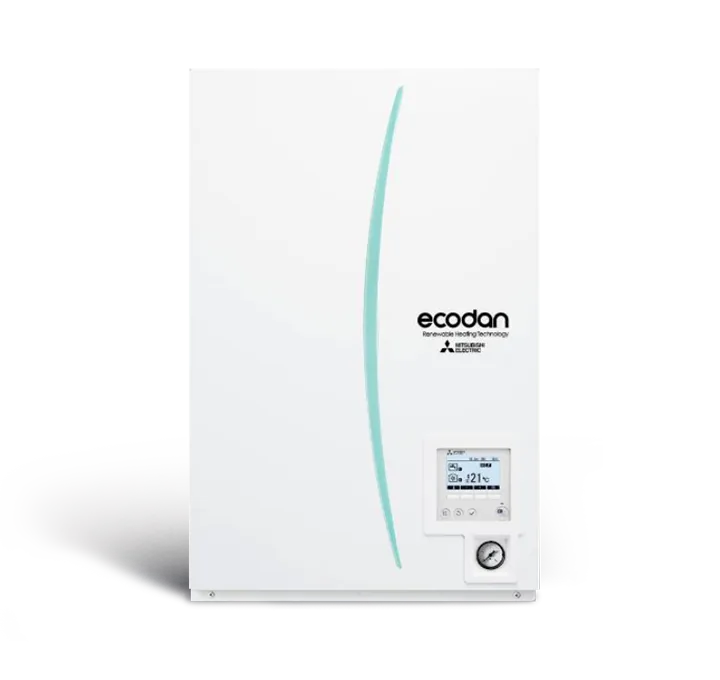
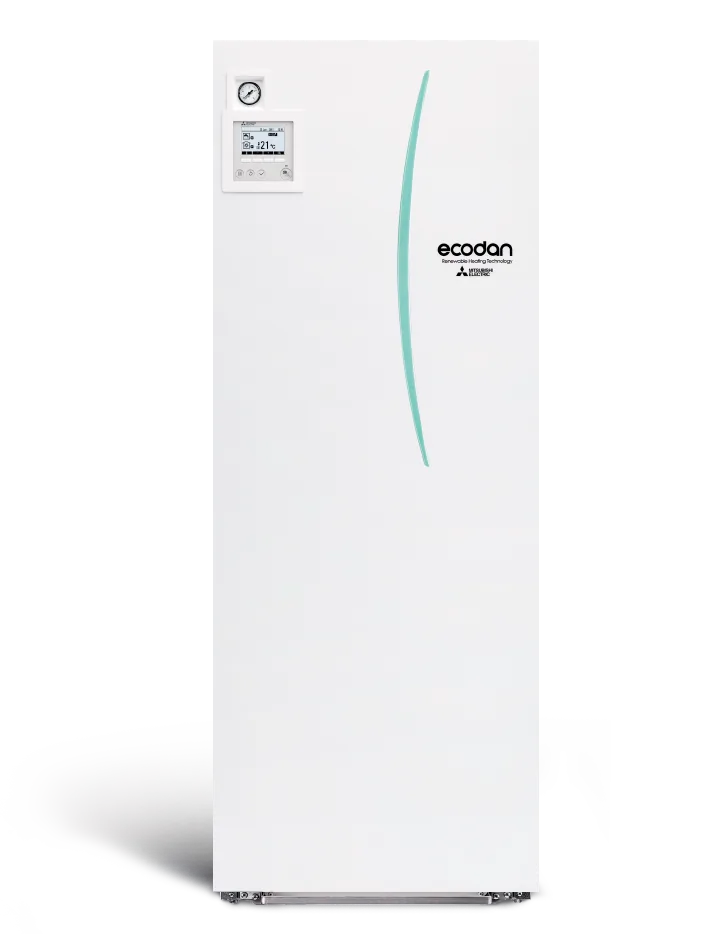
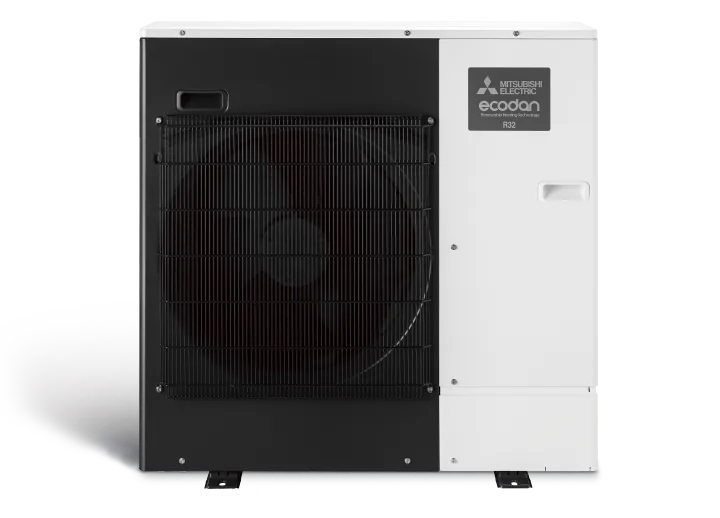
An air-to-water heat pump heats the water circulating through underfloor loops or radiators and produces domestic hot water. Mitsubishi Electric ECODAN systems come in two configurations:
- Split – the outdoor unit is connected to an indoor module by refrigerant pipes, e.g. the EHSTD all-in-one with an integrated cylinder or the EHSD Hydro-box without one.
- Monobloc (Package) – the heat exchanger sits in the outdoor unit and water runs into the house, e.g. PUZ-WM with an EHPT module.
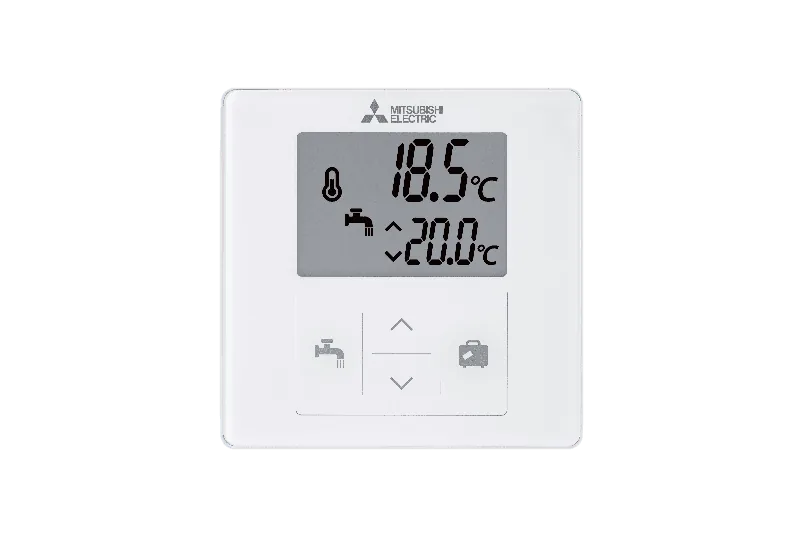
Such a system can be your only heat source all year: no solid fuel, no storage, no chimney. It is controlled from a wall controller or the MELCloud app, and the heating curve is tuned to the house.
How to choose
- Have or plan underfloor heating or radiators? Air-to-water is usually the best fit.
- Want hot water from the heat pump? Choose air-to-water with a cylinder.
- Want summer cooling and extra heat in an existing house or flat? Air-to-air is quick and efficient.
- Want it all? Many homes combine air-to-water for heating and hot water with air-to-air cooling in selected rooms.
Typical situations we see
- A flat without wet heating options. In apartment blocks air-to-water is rarely possible, so a wall-mounted or Multi Split air-to-air system is the most practical way to add heating and cooling.
- A new house with underfloor heating. An ECODAN air-to-water system is a natural fit for low-temperature heating and hot water.
- An older house with a solid-fuel boiler. Air-to-water can replace the boiler if the radiators suit a lower temperature; if not, we consider new radiators or a staged solution.
- A country or summer house. An air-to-air unit warms rooms quickly on arrival and keeps a frost-protection temperature.
We handle each case individually – we never give a one-size answer without assessing the house.
What we check before we quote
We look at the heating system and its operating temperature, the house's heat demand, the outdoor unit location (noise, condensate drainage, service access), the electrical supply and the indoor unit position. Only then do we propose a specific solution.
Answer a few questions in our system finder to see which type suits you best, see how it works in the 3D Climate Lab, and send a project request to receive our engineer's proposal. More on sizing: what size heat pump do I need.
Suitable equipment
FAQ
Can an air-to-air heat pump heat radiators?
No. An air-to-air unit heats only the room air. Radiators, underfloor heating and hot water need an air-to-water heat pump.
Can an air-to-water system be the only heat source?
Yes – a correctly sized and installed ECODAN system can heat the house and produce hot water all year. Whether a back-up source is needed for the coldest hours is decided in the design.
Can I have both types in one house?
Yes, and it is often the most comfortable option: air-to-water for heating and hot water, air-to-air for cooling selected rooms.
Need a professional assessment?
An EKO2 engineer will review your building and prepare a quotation.