
























What size air conditioner does a room need? A 40 m² example
Prepared by EKO2ŠILUMA engineers · Updated 2026-10-29
One of the most common questions we get: "What size air conditioner do I need for a 40 m² room?" Answering "by square metres" is too simple. An air conditioner has to remove the heat that enters the room during the day, and that depends on many factors.
What determines the capacity
- Sun and windows. A large south- or west-facing window lets in a lot of heat in summer. Blinds or external shading reduce this considerably.
- Ceiling height. The same floor area with a 3.5 m ceiling has a much larger air volume than with 2.6 m.
- People. Every person gives off heat – noticeable in a living room with guests or in an office.
- Equipment and lighting. Computers, TVs and kitchen appliances add heat.
- Building fabric. An attic room or top-floor flat heats up more than a mid-building flat.
- Open plan. If the room opens to a kitchen or hallway, those spaces need cooling too.
A 40 m² room example
Compare two rooms of the same size:
- Room A – north-facing, standard windows, 2.7 m ceiling, two occupants. Heat gains are modest; a 3.5 kW cooling class unit is often enough.
- Room B – west-facing, large glass doors to a terrace, open to the kitchen, under the roof. Afternoon heat gains are much higher, so a 5.0 kW class – or even two indoor units – is more often considered.
"Rules" of so many watts per square metre are only a rough guide. We calculate for the actual room – avoiding an undersized unit that cannot cope on a hot day, and an oversized one that cycles on and off, dehumidifies poorly and costs more.
Capacity classes
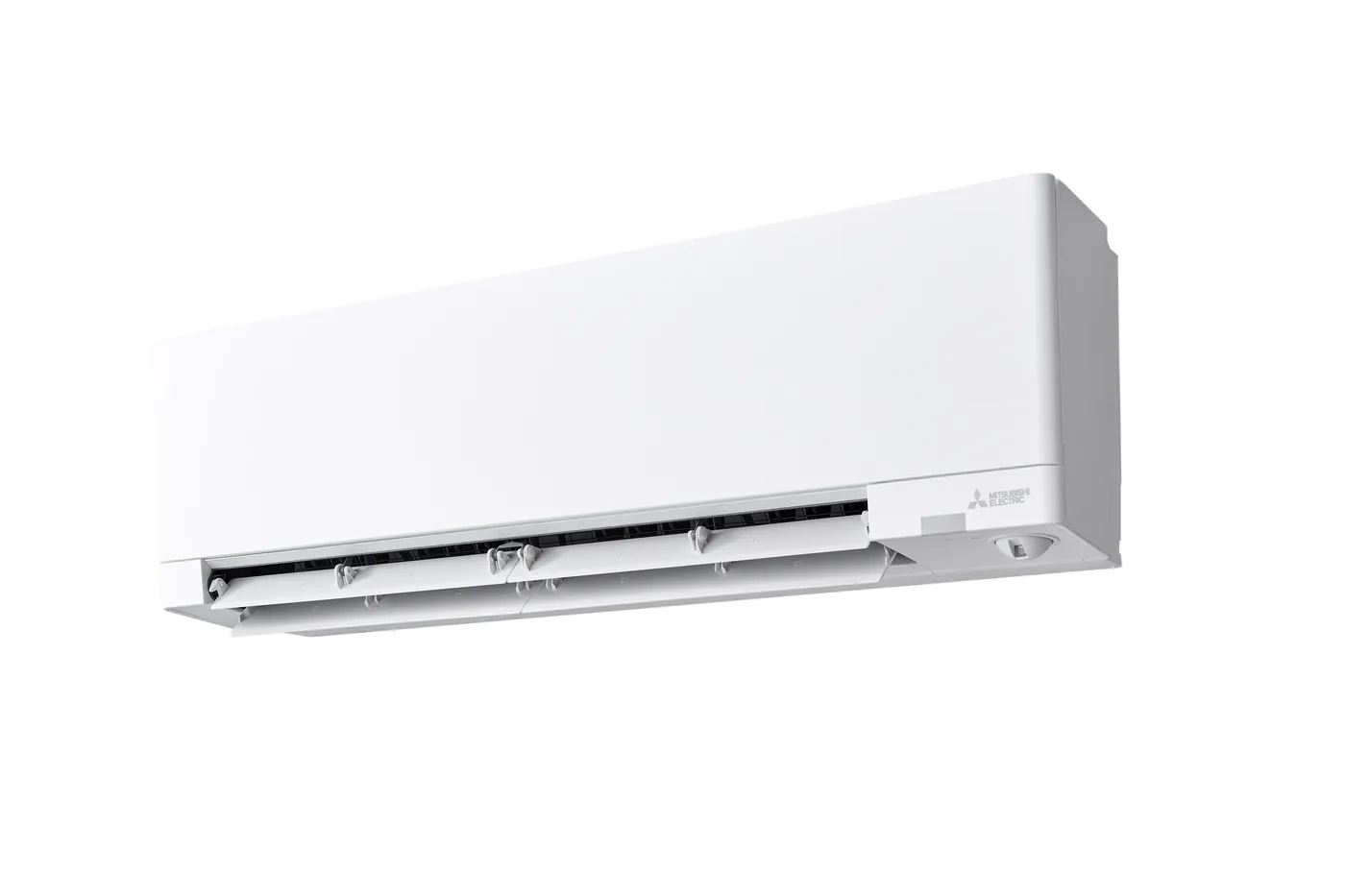
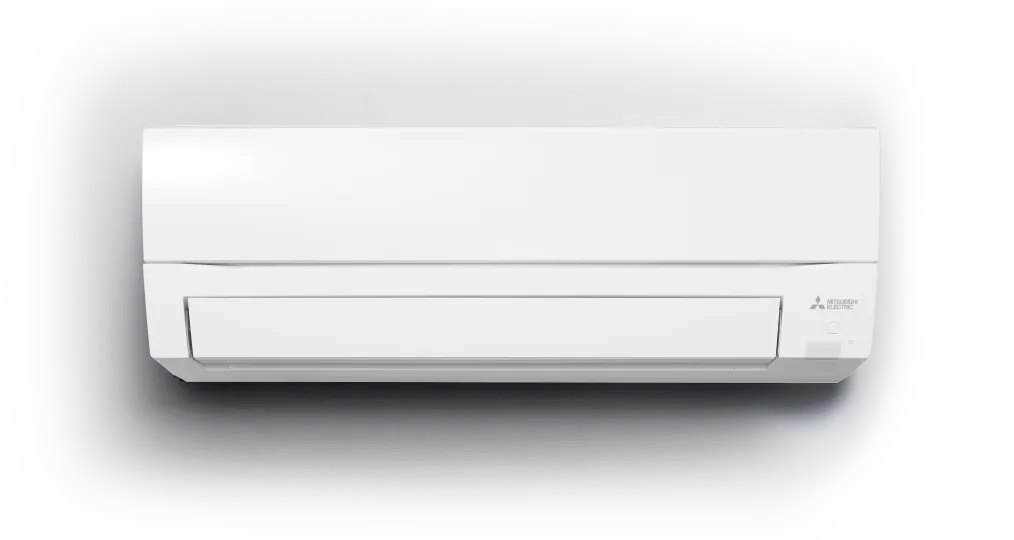
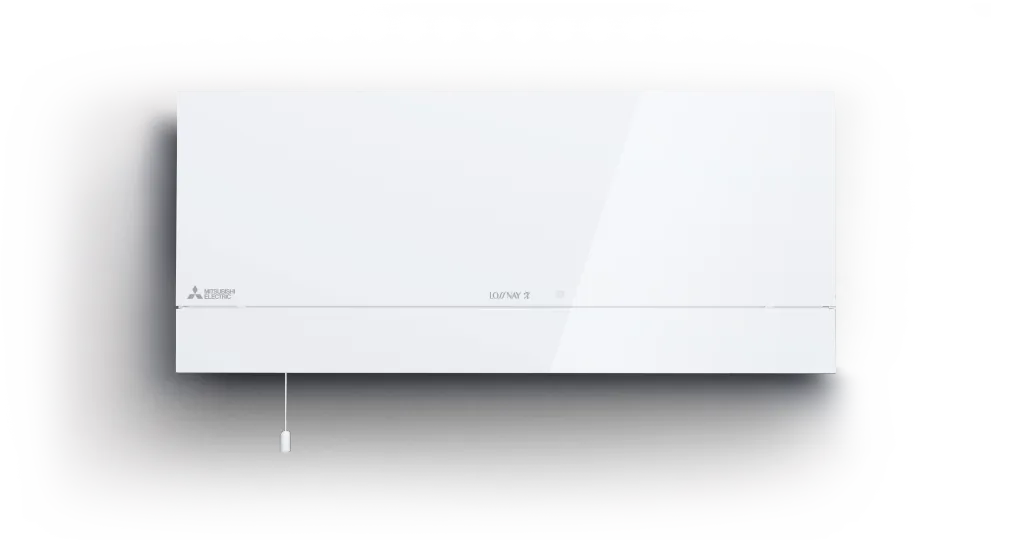
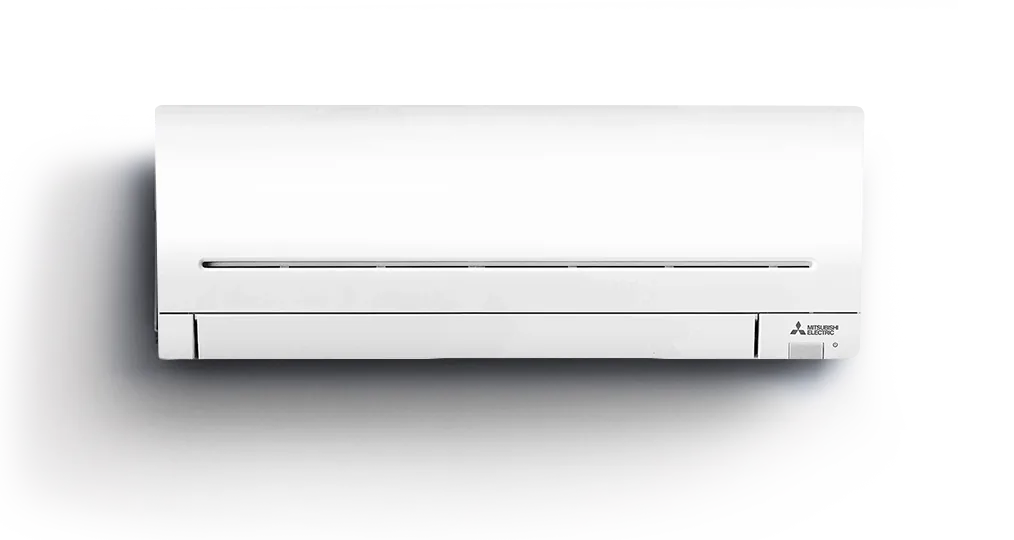
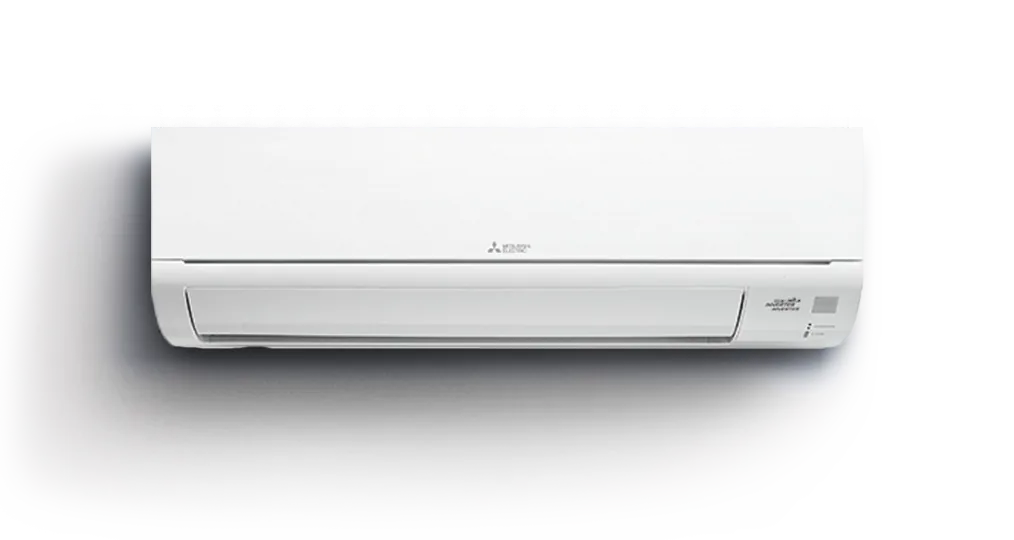
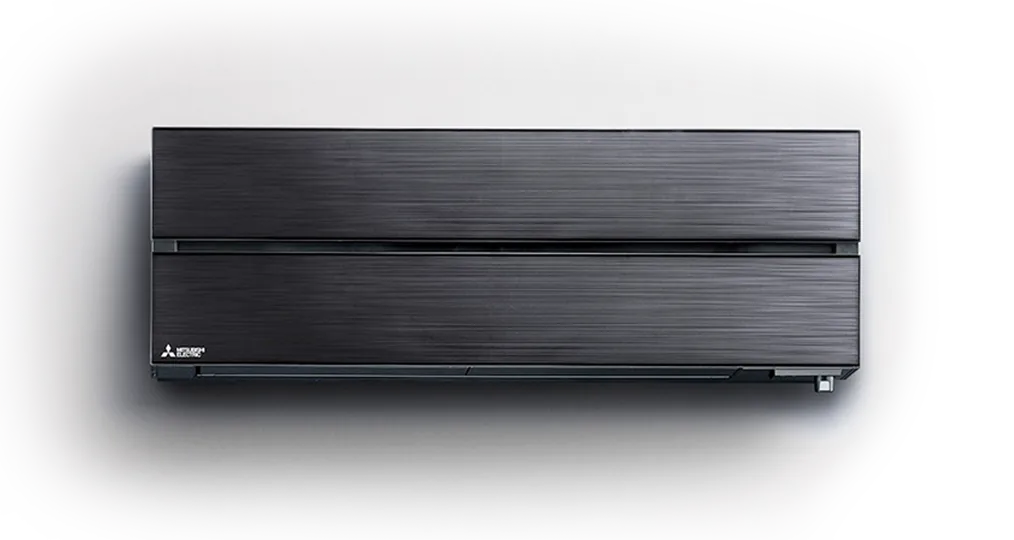
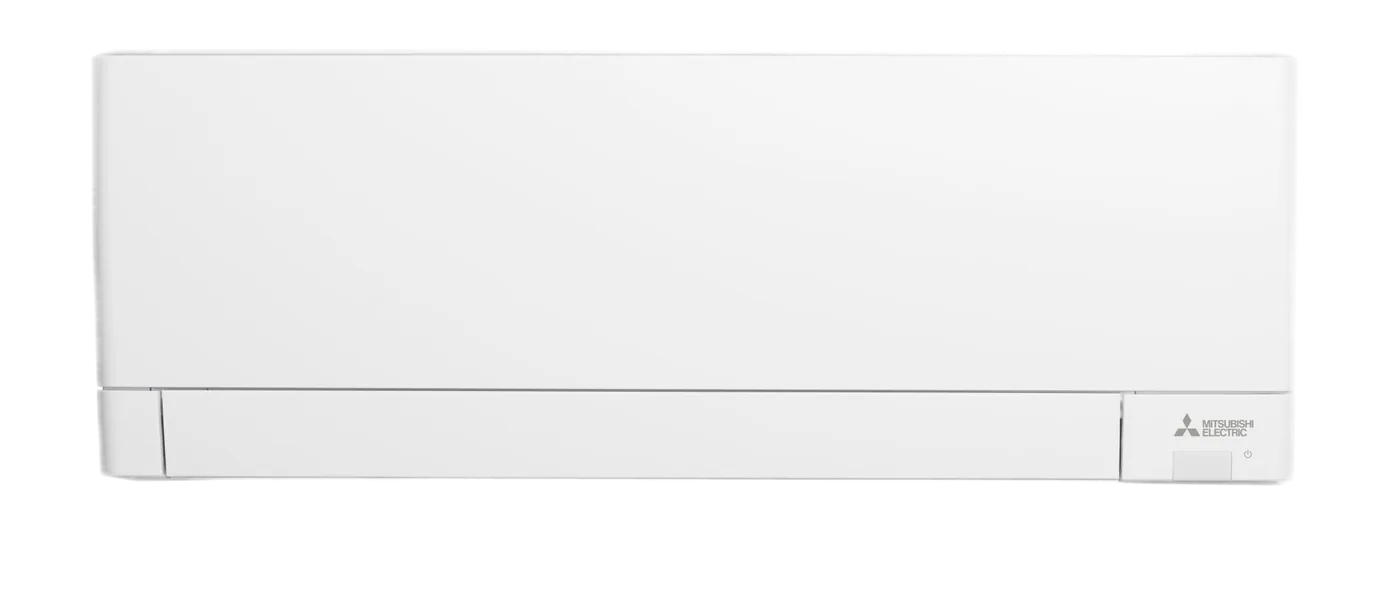
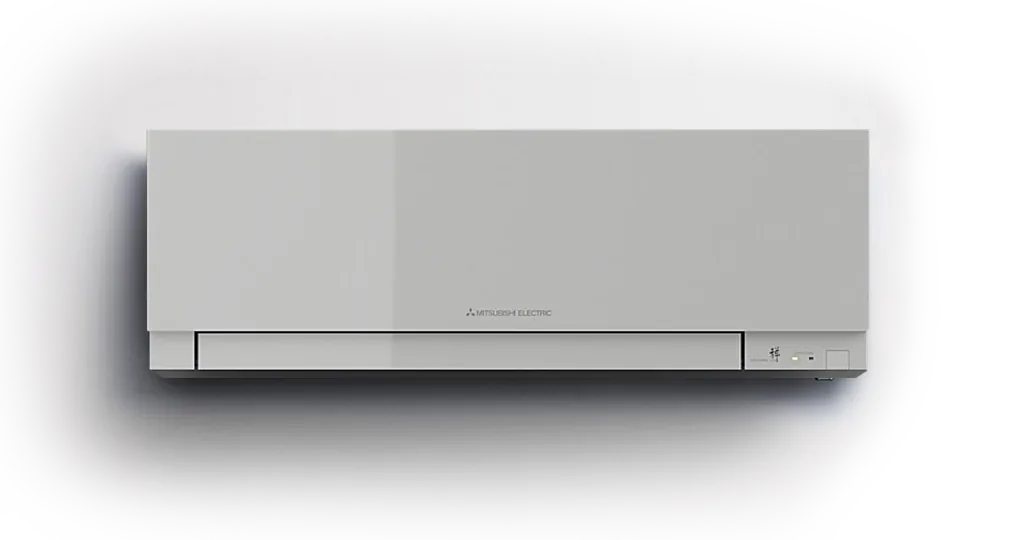
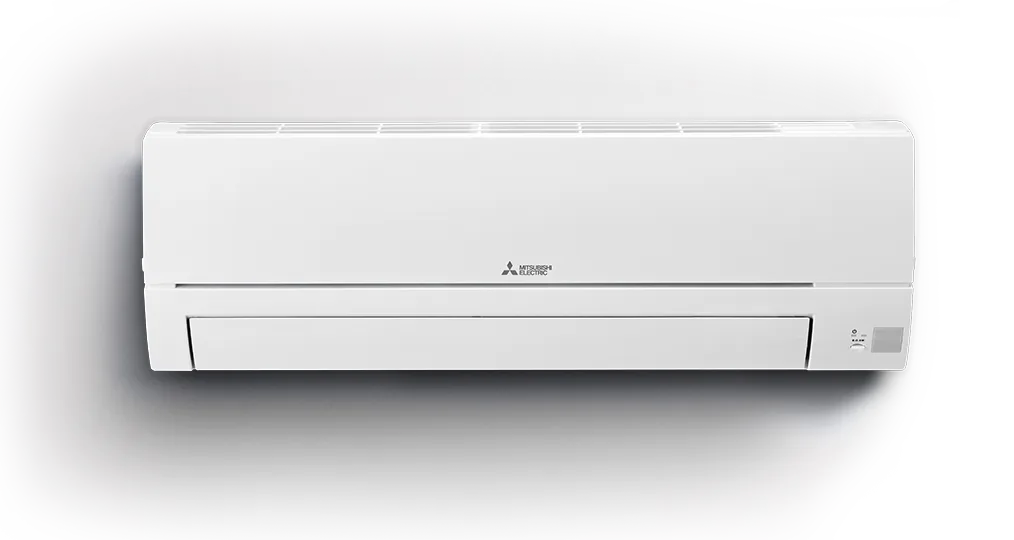
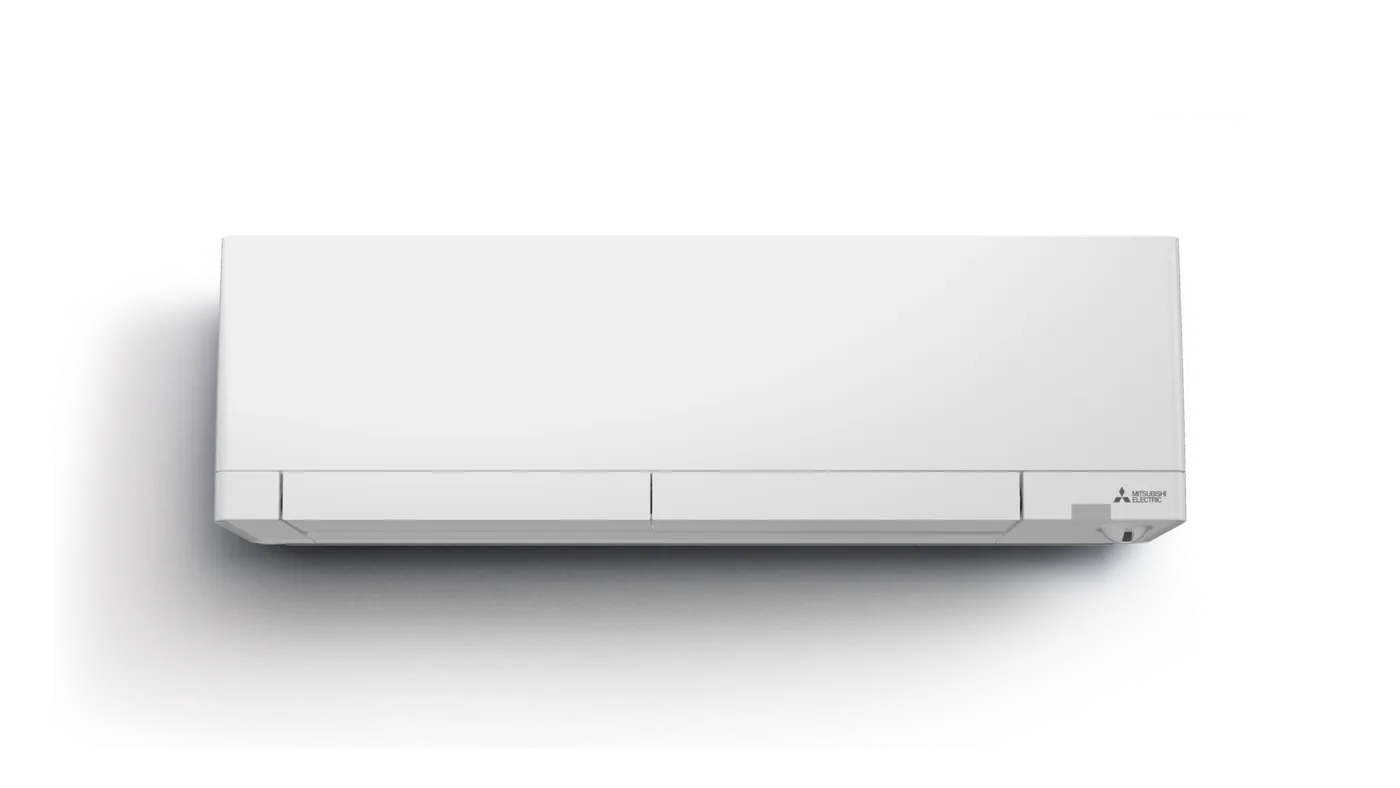
Residential wall units carry a capacity class in the model code: 25, 35, 50 and so on. In our catalogue the MSZ-LN-VGHZ series models MSZ-LN25VG, MSZ-LN35VG and MSZ-LN50VG have nominal cooling capacities of 2.5, 3.5 and 5.0 kW. Inverter units modulate output, so they run quietly and efficiently at part load – exact ranges are on each model page.
Heating is a separate calculation
If you also plan to heat with it (it is essentially an air-to-air heat pump), capacity must be checked for winter conditions too – sometimes heating decides the size. See heat pumps in the Lithuanian climate.
Not just capacity: position and type
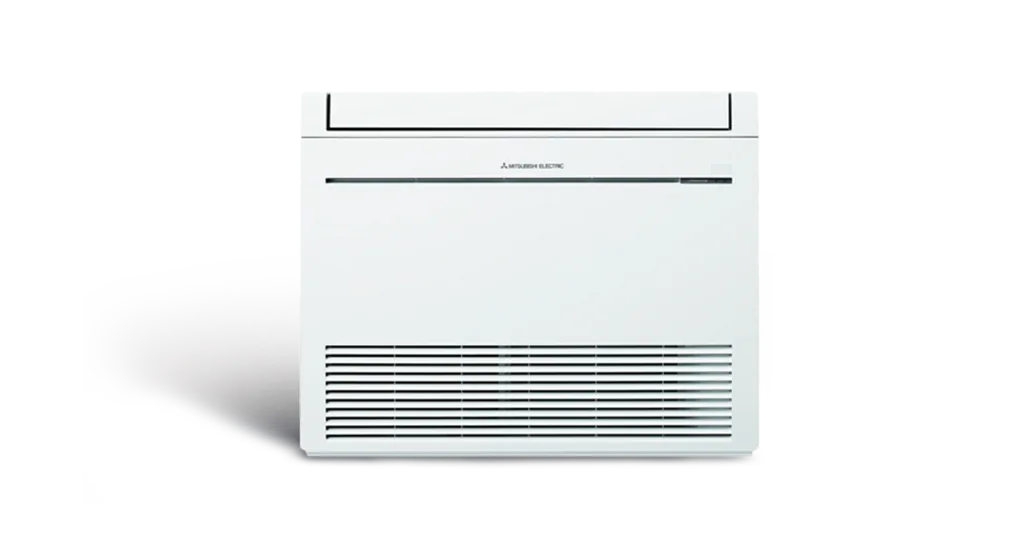
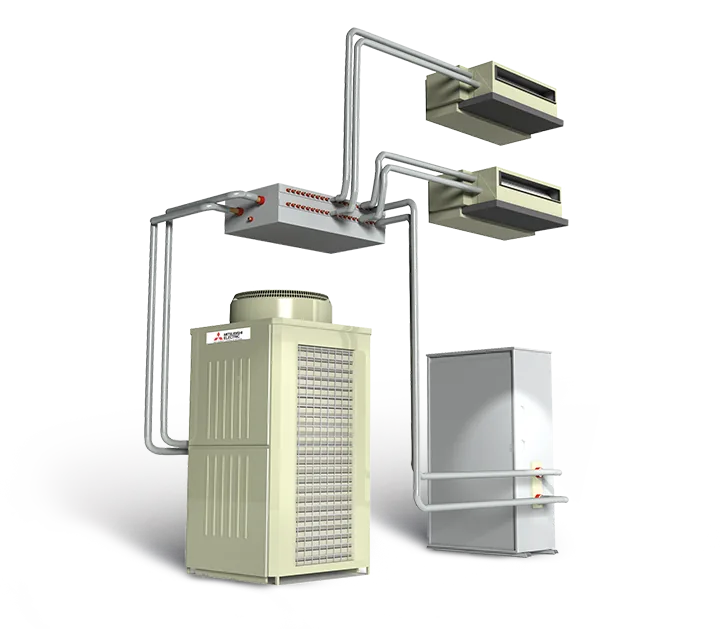
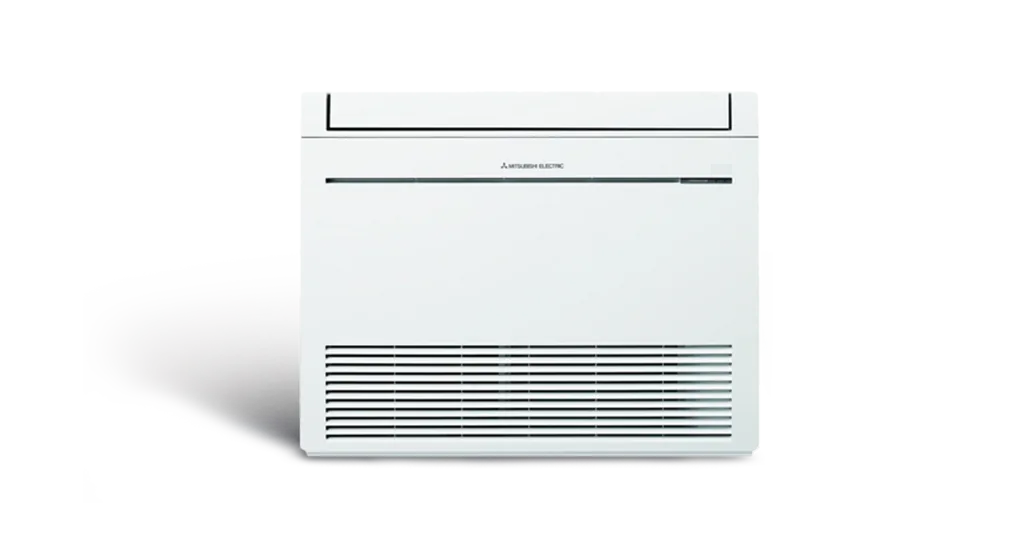
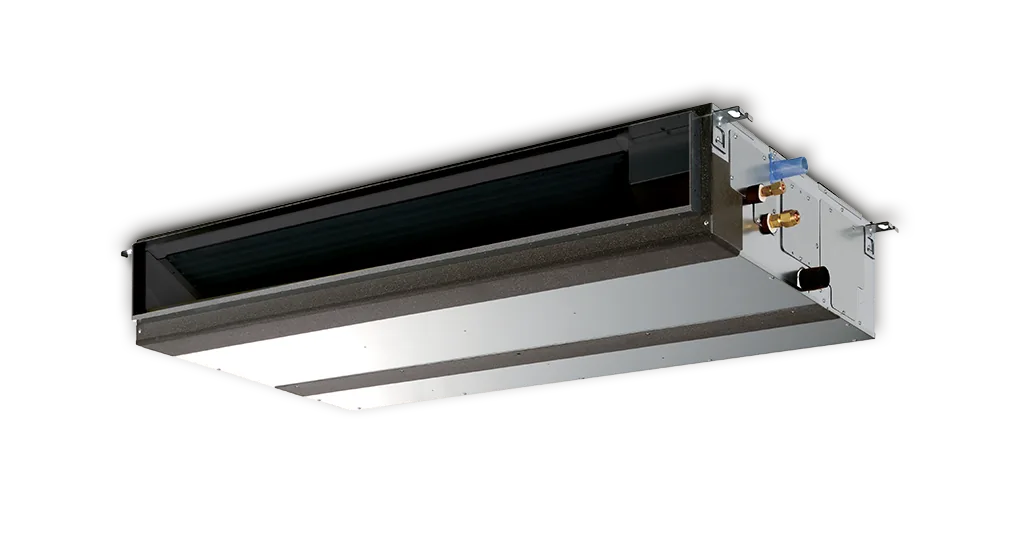
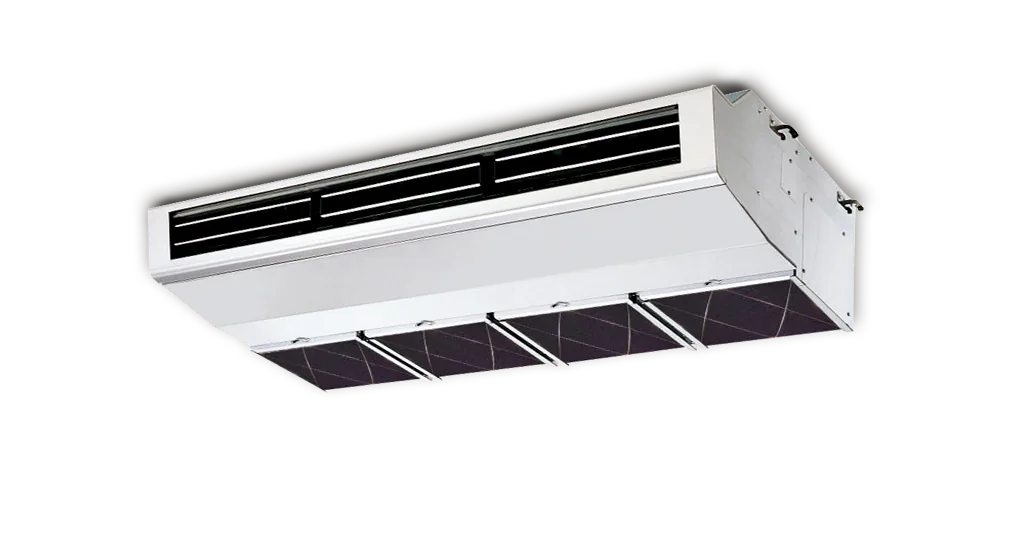
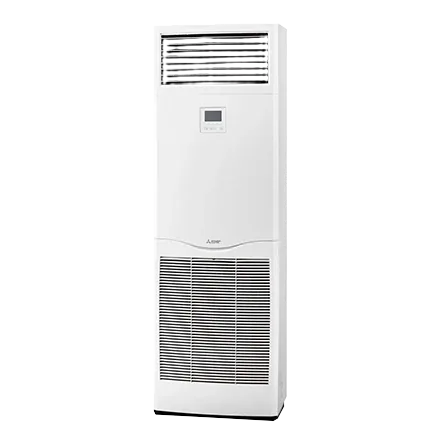
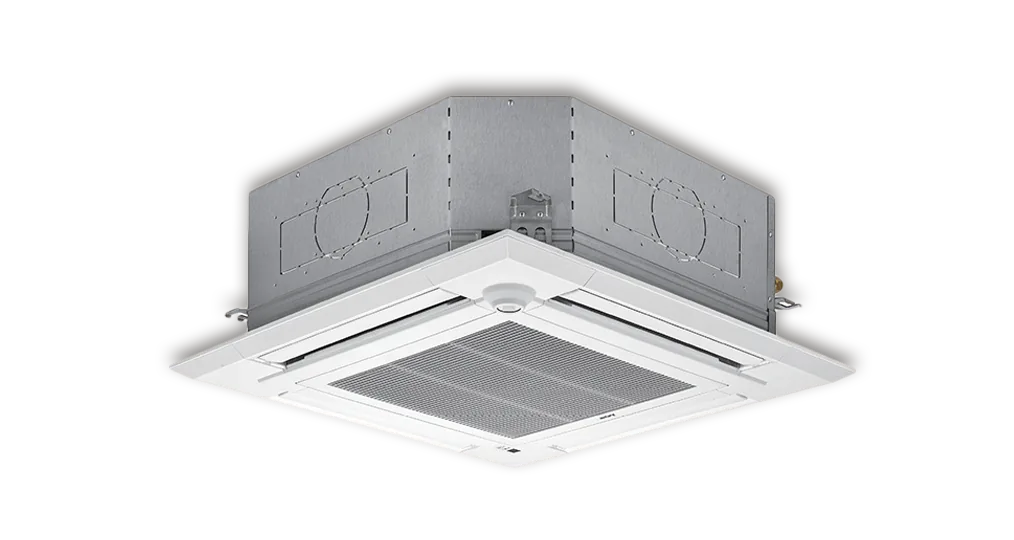
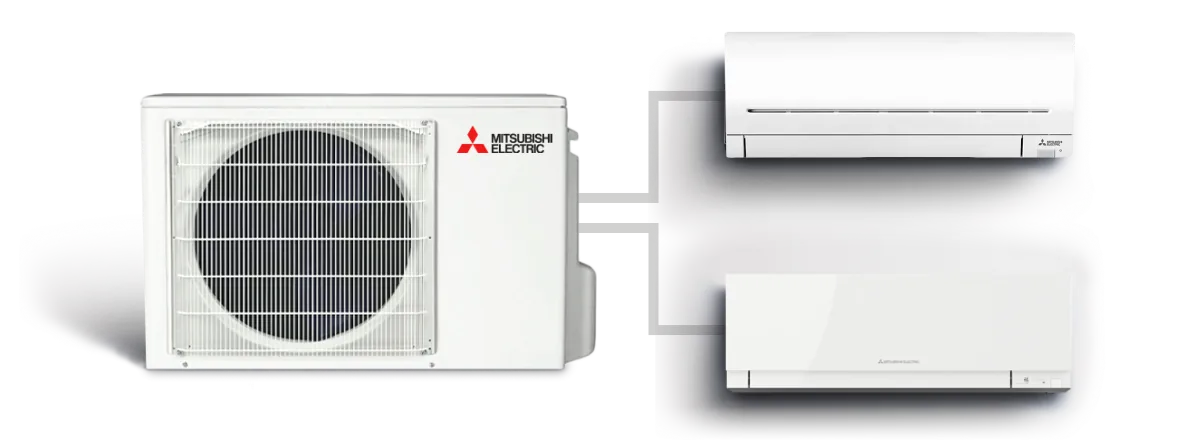
Comfort also depends on airflow direction – the indoor unit should not blow straight at a bed or desk. If a wall unit does not suit the interior, consider a cassette (MLZ-KP-VF), ducted (SEZ-M-DA) or floor-standing model. For several rooms, look at Multi Split.
How we select an air conditioner
- We assess floor area, height, windows, orientation and use.
- We choose capacity class and unit type and plan indoor/outdoor positions and the pipe route.
- We install, evacuate, leak-test and commission the system.
Common mistakes when choosing an air conditioner
- Choosing by price or floor area only, ignoring windows, sun and ceiling height.
- Placing the indoor unit where it is easiest rather than where the airflow will not blow at people.
- Ignoring outdoor unit noise and position – on a balcony, near neighbours' windows or where service is hard.
- Forgetting condensate drainage – in summer the unit produces water that must be drained properly.
- Skipping professional commissioning. Evacuation and leak testing decide how long and how efficiently the system runs.
We resolve all of this before installation, so you get a system that fits your room.
Start with the AC planner – in a few minutes you get a recommended class with clear assumptions. Our specialist confirms the final choice – send a request.
Suitable equipment


FAQ
Is a 2.5 kW unit enough for 40 m²?
Sometimes – if the room faces north, is well shaded and has a low ceiling. More often a 3.5 kW class or larger is considered. We assess your actual room.
Is a bigger air conditioner always better?
No. An oversized unit costs more, cycles more and dehumidifies worse. Correct sizing gives comfort and efficiency.
Can the same unit heat in winter?
Yes, most Mitsubishi Electric wall units we offer are heat pumps. We check winter heating capacity separately.
Need a professional assessment?
An EKO2 engineer will review your building and prepare a quotation.