


























Preparing your heat pump for winter: what you can check yourself and what to leave to a specialist
A few minutes spent in autumn on the outdoor unit, the settings and a maintenance plan help you avoid unpleasant surprises during the first frosts. Here is what is worth doing now.
A heat pump works all year round, but its real test begins once the outdoor temperature drops below zero. Winter is when the system runs at its highest load, and any small issue – blocked airflow, a frozen condensate drain or a poorly set heating curve – becomes noticeable. That is why we recommend a simple check in autumn and, where needed, booking professional maintenance.
What you can check yourself
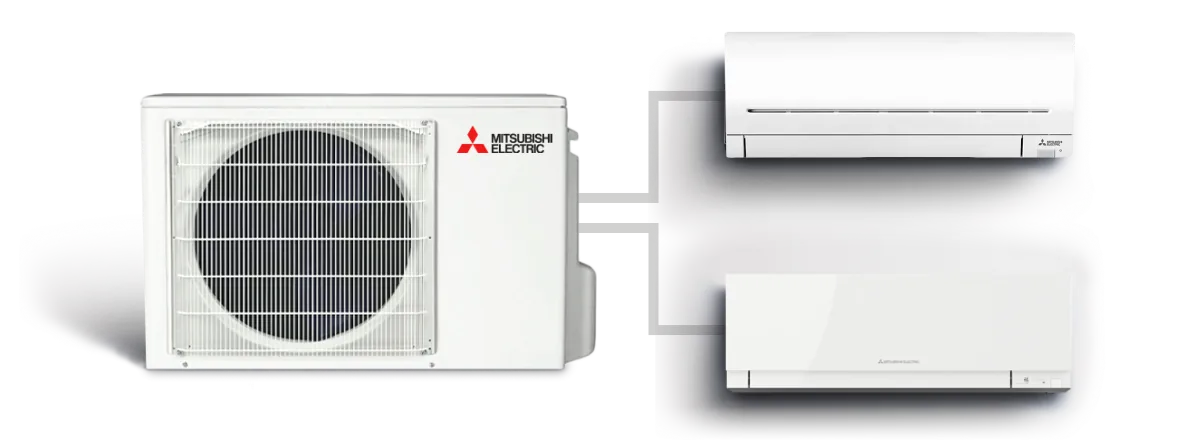
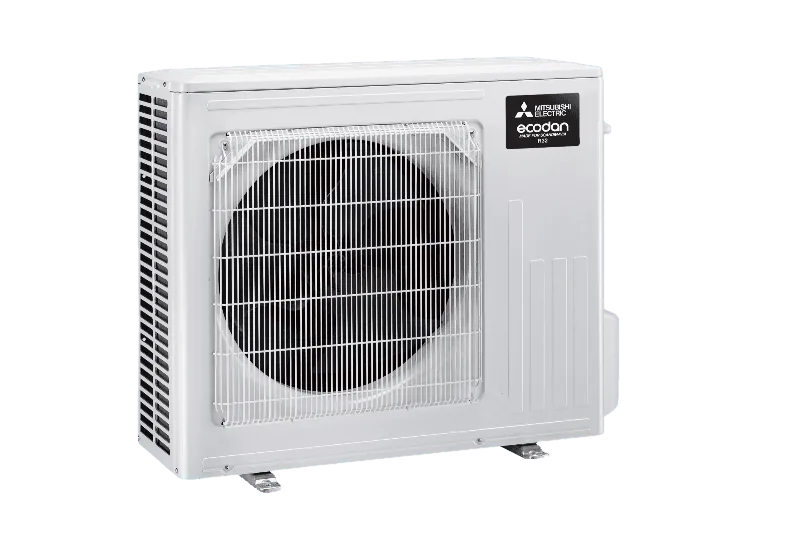
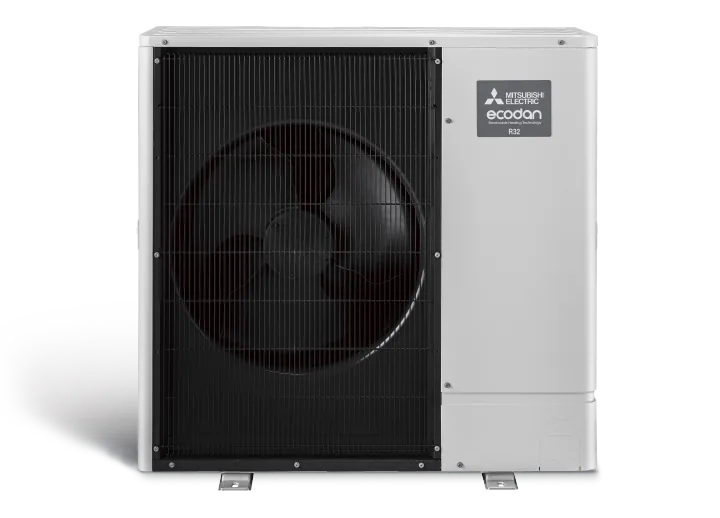
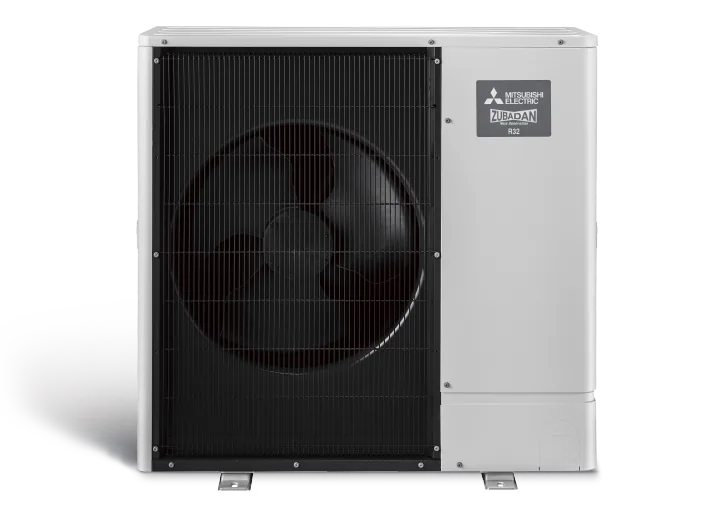
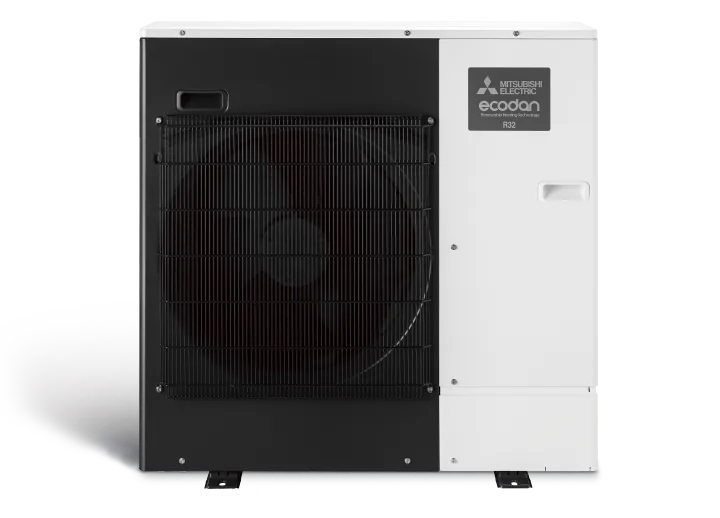
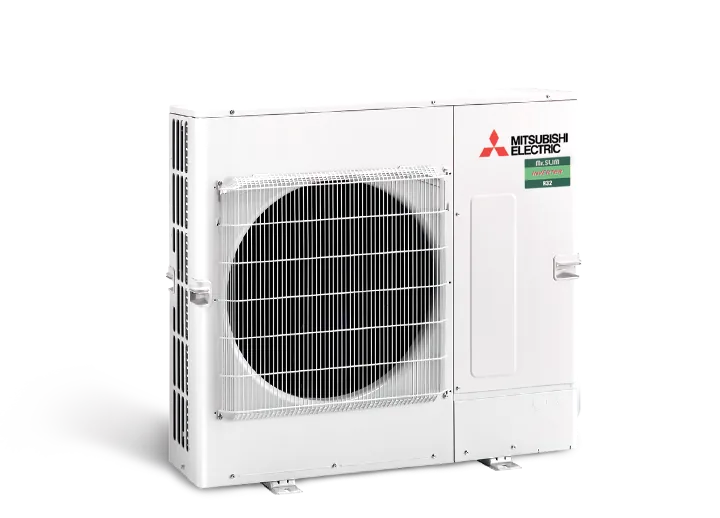
- Clear space around the outdoor unit. Remove leaves, branches, garden furniture and anything else that could restrict air flowing through the heat exchanger. A heat pump needs plenty of outdoor air – the freer the flow, the steadier it runs.
- Snow and ice. In winter make sure snow does not build up around the base and sides of the unit. Carefully clear snow from the surroundings, but do not chip ice off the heat exchanger fins – they are easily damaged.
- Condensate and defrost water. During defrost cycles water drains from the outdoor unit. If it has nowhere to go, ice can build up. If you see water pooling or freezing under the unit, contact us – we will choose a drainage solution for your situation.
- Do not cover the unit. Tight covers or plastic sheeting are not suitable for a running heat pump because they restrict airflow. If you want protection from falling snow, it must be designed so that air can circulate freely.
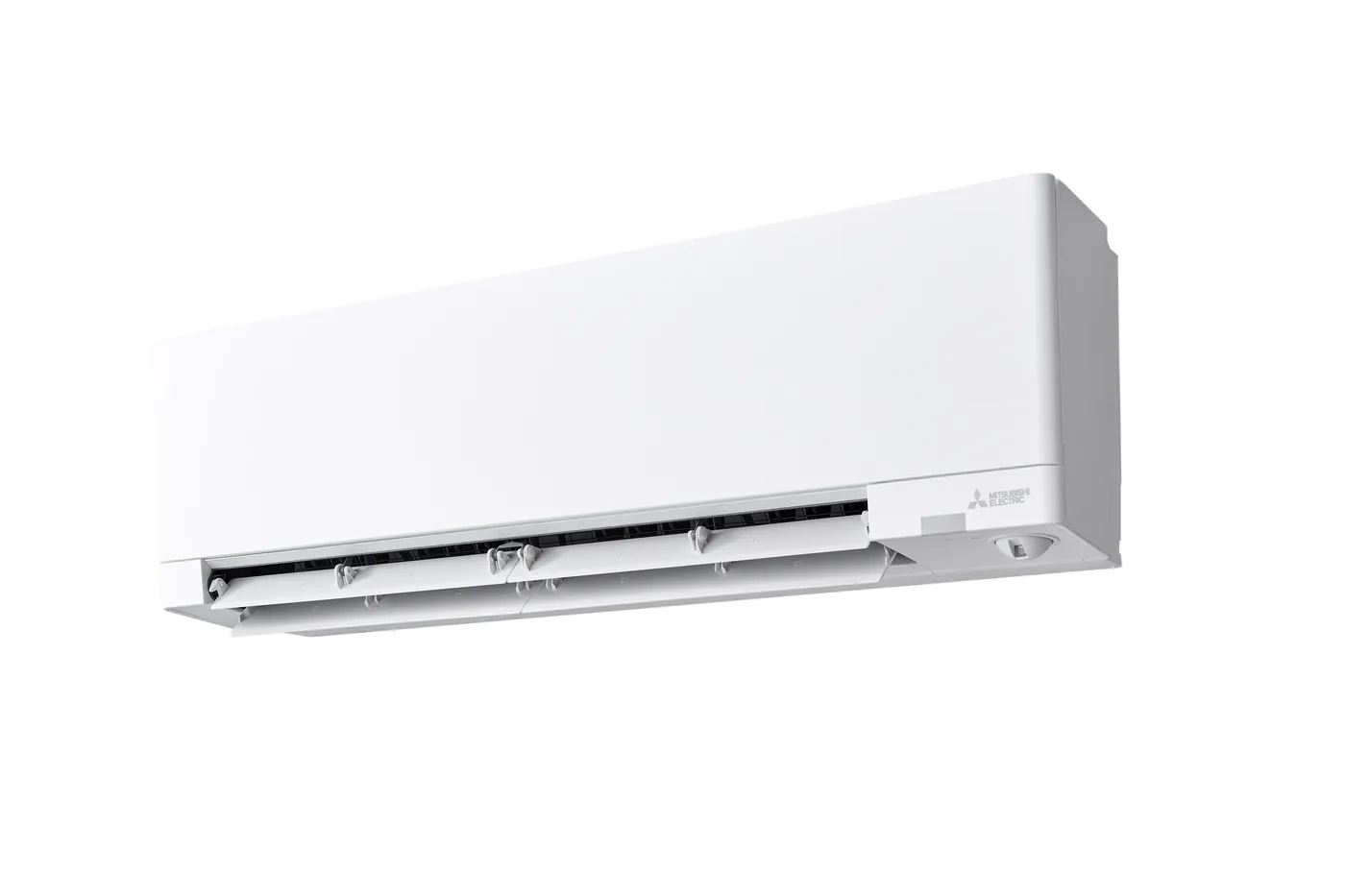
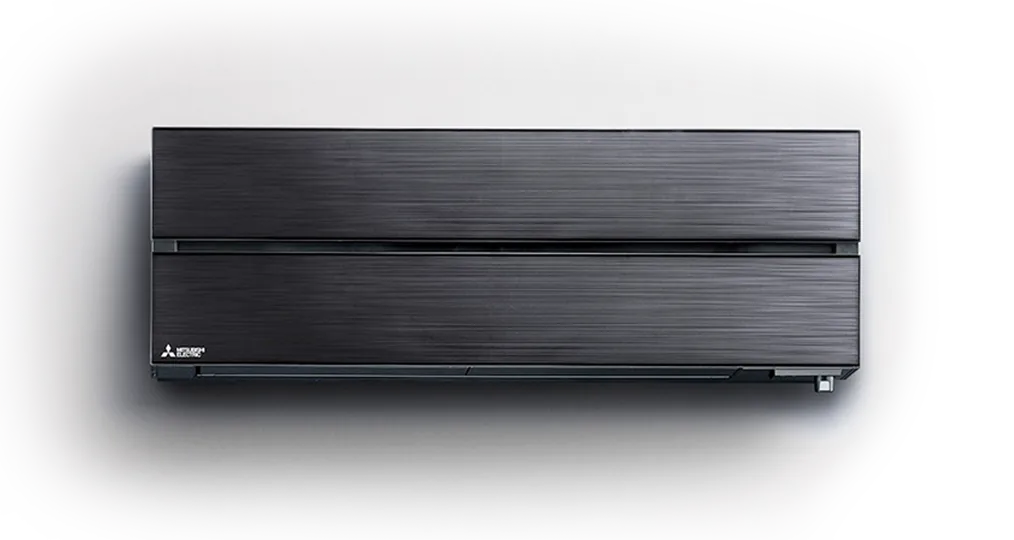
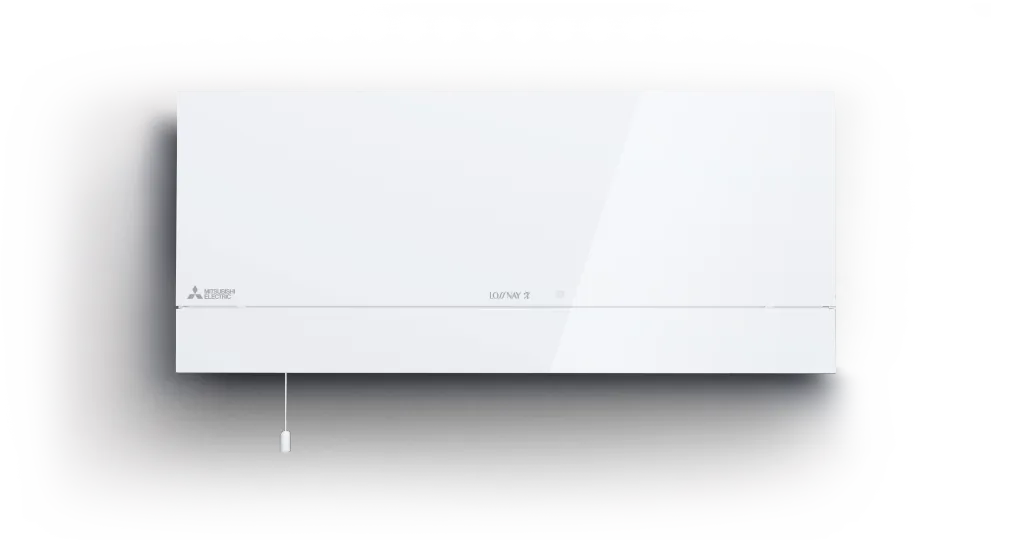
- Indoor unit filters. On air-to-air systems you can clean the indoor unit filters following the user manual. Clean filters help maintain airflow and comfort.
Settings worth reviewing
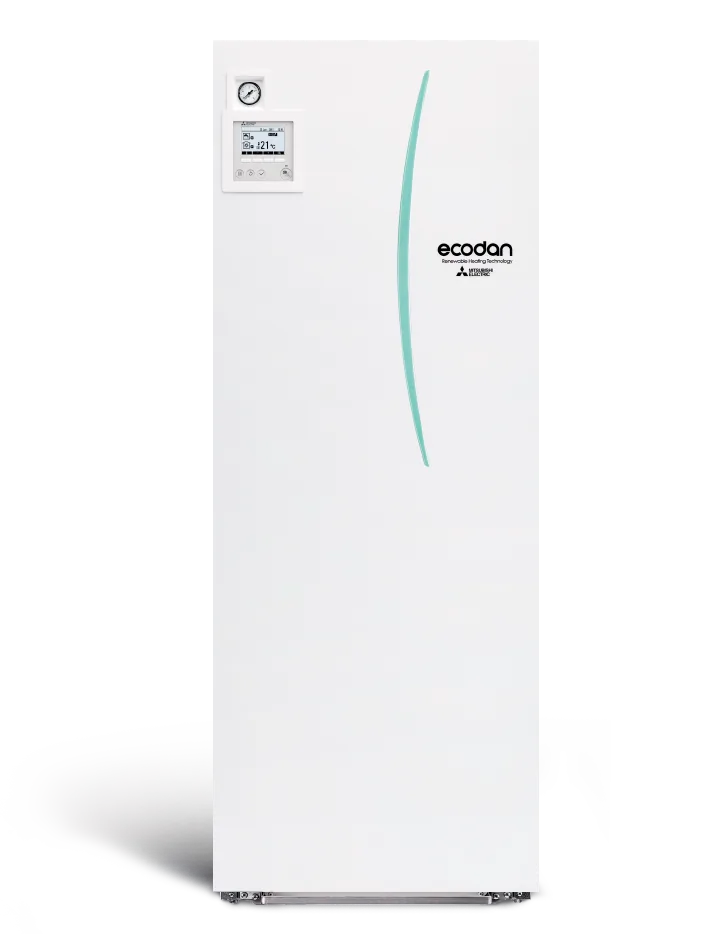
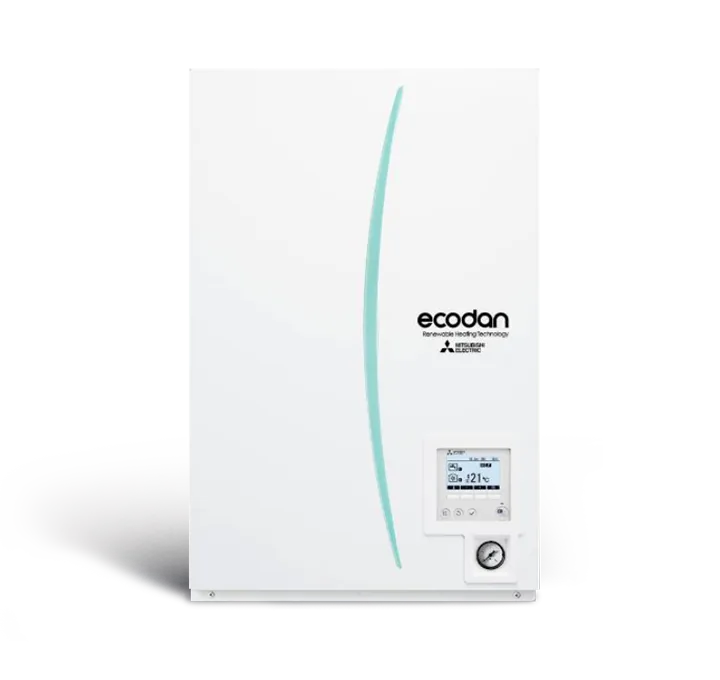
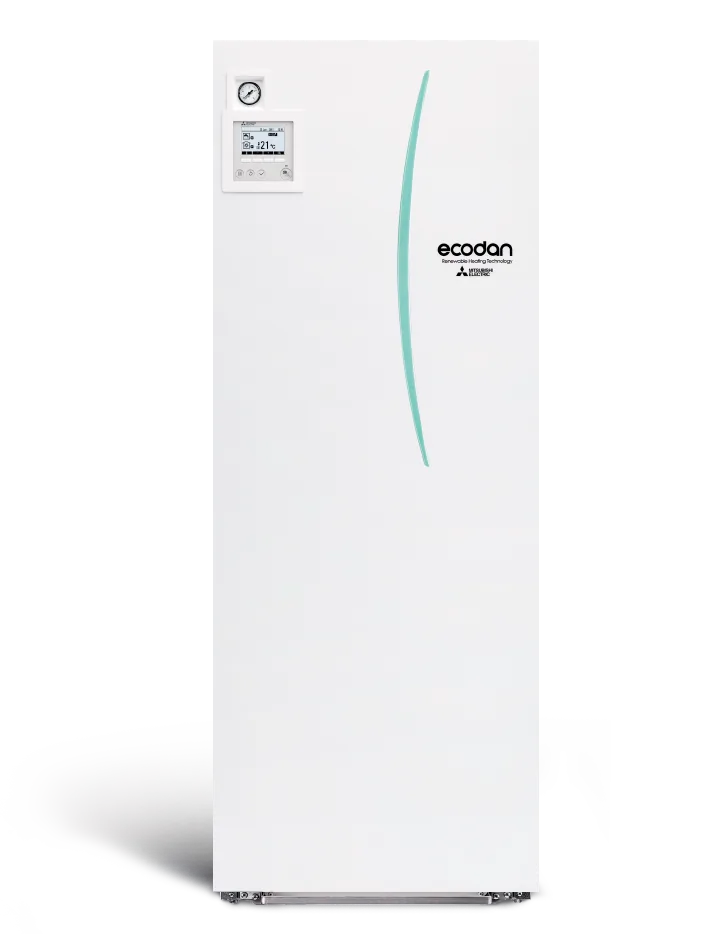
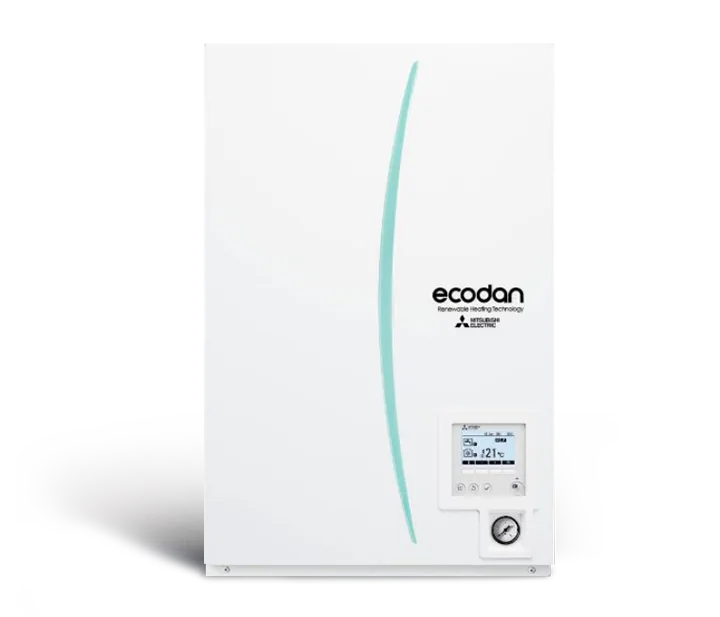
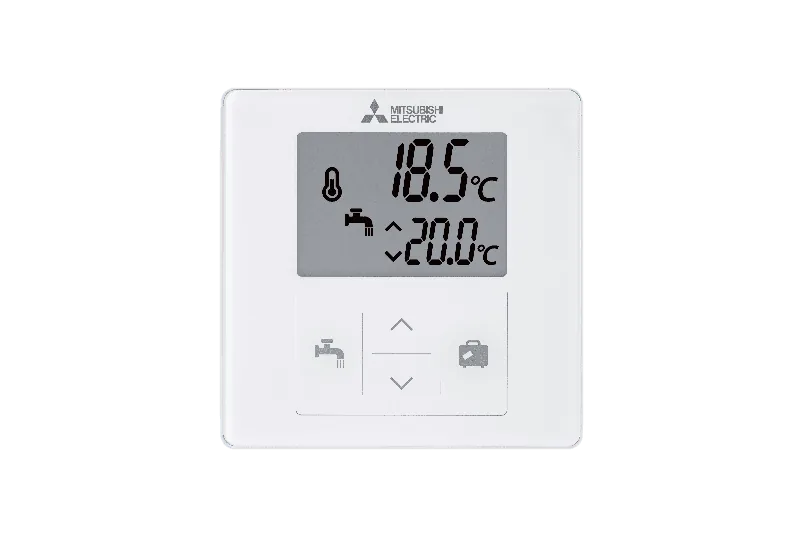
On air-to-water systems such as the ECODAN EHSTD-YM9D, the most important setting is the heating curve – it determines the water temperature supplied to radiators or underfloor heating at a given outdoor temperature. If some rooms were too cool or too warm last winter, tell the specialist: the curve is best tuned properly rather than by repeatedly raising the setpoint on the controller. If you use remote control via MELCloud, check that the app is connected and the schedules are working.
What to leave to a specialist
The refrigerant circuit, electrical connections, pressure measurements and changes to controller parameters are work for a qualified specialist. Do not open the unit casing or try to top up refrigerant yourself – it is dangerous and can damage the equipment. During our maintenance visit the specialist assesses how the system performs, inspects the outdoor and indoor units, checks the settings and adjusts them if needed. Everything done is recorded in your equipment history.
Why now is the right time
Autumn is the most convenient moment: the system is not yet running at full load, so any issues can be corrected calmly before the frosts arrive. Book maintenance or send a request through service and we will arrange a time that suits you. If you own MITSUBISHI ELECTRIC equipment installed by another company, we can assess it too.